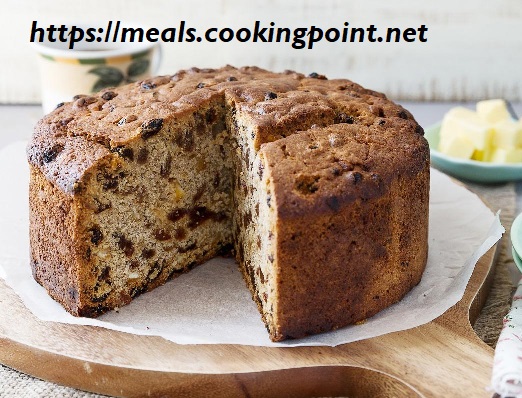
Porter cake is a rich, dark, and deeply flavorful traditional cake that originates from Ireland. Unlike light sponge cakes or frosted layer cakes, porter cake belongs to the family of boiled fruit cakes, where dried fruits are gently simmered before baking to create a moist, dense, and long-lasting dessert. What sets porter cake apart is its use of porter stout, a dark beer that lends depth, complexity, and a subtle bitterness that perfectly balances the sweetness of the fruit.
Historically, porter cake was baked for special occasions such as weddings, holidays, and family gatherings. Its excellent keeping qualities made it especially valuable in times when refrigeration was limited. Over time, porter cake became a beloved part of Irish baking tradition, enjoyed sliced with tea, served with cheese, or simply savored on its own.
This article explores the heritage of porter cake, explains why its unique ingredients work so well together, and provides a detailed, step-by-step recipe to help you recreate this timeless cake in your own kitchen.
What Is Porter Cake?
Porter cake is a dense fruit cake flavored with porter stout. Unlike Christmas cakes that often rely heavily on spices and alcohol soaked fruits, porter cake has a more subtle and balanced profile. The stout enhances the natural sweetness of dried fruit while adding notes of coffee, chocolate, and caramel.
The cake is:
- Moist and rich
- Dark in color
- Not overly sweet
- Free from icing or decoration in its traditional form
It improves with age, making it ideal for baking ahead of time.
The Role of Porter Stout in Baking
Porter stout is essential to this recipe. It provides:
- Moisture: Prevents the cake from drying out
- Flavor complexity: Adds roasted, malty notes
- Color: Gives the cake its signature deep brown hue
- Balance: Offsets the sweetness of dried fruit
During baking, the alcohol evaporates, leaving behind flavor without bitterness.
Ingredients
Dried Fruit Mixture
- 225 g (1½ cups) raisins
- 225 g (1½ cups) sultanas
- 100 g (¾ cup) currants
- 50 g (⅓ cup) chopped candied peel
Liquid and Fat
- 300 ml (1¼ cups) porter stout
- 225 g (1 cup) unsalted butter
Dry Ingredients
- 225 g (1¾ cups) all-purpose flour
- 1 tsp baking soda
- 1 tsp ground mixed spice
- ½ tsp ground cinnamon
- Pinch of salt
Other Ingredients
- 200 g (1 cup) dark brown sugar
- 2 large eggs
- 1 tsp vanilla extract
- Zest of 1 lemon (optional)
Equipment Needed
- Large saucepan
- Mixing bowls
- Wooden spoon
- 8-inch round cake tin
- Parchment paper
- Wire cooling rack
Step-by-Step Instructions
Step 1: Prepare the Fruit Base
In a large saucepan, combine the raisins, sultanas, currants, candied peel, butter, and porter stout. Place over medium heat and gently bring to a simmer.
Stir occasionally and allow the mixture to cook for 10–15 minutes until the butter melts completely and the fruit plumps up. Remove from heat and allow to cool slightly.
This boiling process is essential—it infuses the fruit with porter flavor and ensures a moist cake.
Step 2: Prepare the Cake Tin
Preheat the oven to 160°C (320°F).
Line the base and sides of an 8-inch cake tin with parchment paper, allowing some paper to extend above the rim. This protects the cake during its long baking time.
Step 3: Mix the Dry Ingredients
In a separate bowl, sift together the flour, baking soda, mixed spice, cinnamon, and salt. Sifting ensures even distribution of the raising agent and spices.
Step 4: Combine Sugar and Fruit Mixture
Stir the brown sugar into the warm fruit mixture. The residual heat helps dissolve the sugar, creating a smooth, glossy base.
Allow the mixture to cool further before adding eggs to avoid curdling.
Step 5: Add Eggs and Flavorings
Beat the eggs lightly and stir them into the cooled fruit mixture. Add vanilla extract and lemon zest if using.
Mix gently but thoroughly until fully incorporated.
Step 6: Fold in the Dry Ingredients
Gradually add the dry ingredients to the wet mixture. Fold gently using a wooden spoon or spatula until no dry patches remain. The batter will be thick and heavy.
Avoid overmixing, as this can affect texture.
Step 7: Bake the Cake
Pour the batter into the prepared cake tin and smooth the top.
Bake in the preheated oven for 75–90 minutes. Check after 60 minutes and cover loosely with foil if the top is browning too quickly.
The cake is done when a skewer inserted into the center comes out clean or with a few moist crumbs.
Step 8: Cool and Mature
Allow the cake to cool in the tin for 20 minutes, then transfer to a wire rack to cool completely.
For best flavor, wrap the cooled cake in parchment paper and foil and allow it to mature for 24–48 hours before slicing.
Texture and Flavor Profile
Porter cake is:
- Dense yet tender
- Moist without being sticky
- Rich with malted undertones
- Mildly spiced
- Balanced between sweet and bitter
The flavor deepens over time, making it even better after a day or two.
Serving Suggestions
- Serve sliced with hot tea or coffee
- Pair with mature cheddar cheese
- Enjoy plain or lightly buttered
- Serve as a dessert with whipped cream
Traditionally, porter cake is served without icing.
Variations
Nut-Studded Porter Cake
Add 75 g chopped walnuts or almonds for crunch.
Spiced Porter Cake
Increase cinnamon and add nutmeg or cloves.
Orange Porter Cake
Replace lemon zest with orange zest for a warmer citrus note.
Alcohol-Free Version
Use non-alcoholic stout or strong brewed tea.
Storage and Shelf Life
- Store in an airtight container at room temperature for up to 7 days
- Refrigerate for up to 2 weeks
- Freeze for up to 3 months
Wrap well to retain moisture.
Nutritional Overview (Approximate per Slice)
| Nutrient | Amount |
|---|---|
| Calories | 320 |
| Fat | 14 g |
| Carbohydrates | 45 g |
| Protein | 4 g |
| Sugar | 28 g |
Why Porter Cake Improves with Time
The moisture from the fruit and porter redistributes throughout the cake as it rests. This process enhances flavor and softens texture, similar to traditional fruit cakes.
Cultural Significance
Porter cake reflects Ireland’s resourceful baking heritage, where simple ingredients were transformed into long-lasting, nourishing treats. It is a cake meant to be shared, sliced slowly, and enjoyed with conversation.
Porter cake is more than just a dessert—it is a celebration of tradition, patience, and flavor. With its rich fruit base, subtle spice, and distinctive stout character, it offers a deeply satisfying alternative to lighter cakes.
Whether baked for a special occasion or enjoyed as a comforting everyday slice, porter cake rewards the baker with exceptional taste and lasting freshness. By following this recipe and allowing the cake time to mature, you can experience one of Ireland’s most enduring and beloved cakes in your own kitchen.


