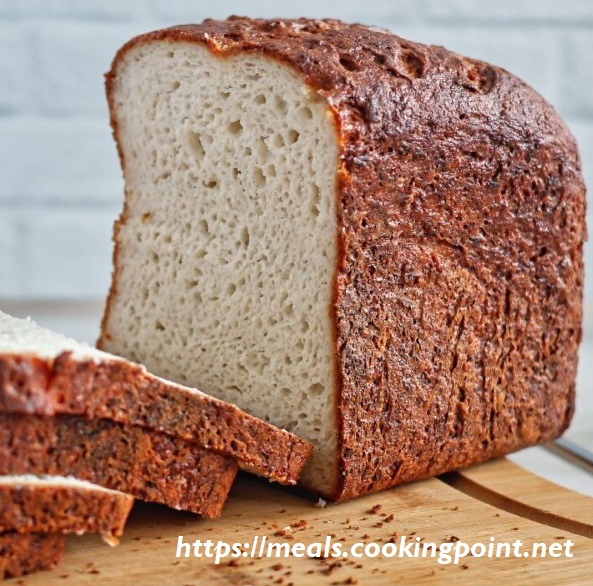
If you’ve ever struggled with dense, crumbly gluten-free bread, this recipe will change everything. This gluten-free bread recipe produces a soft, fluffy, sliceable loaf with a tender crumb and mild flavor—perfect for sandwiches, toast, or simply slathered with butter. Best of all, it’s easy to make, uses simple pantry ingredients, and works for beginners and experienced bakers alike.
Whether you’re gluten-intolerant, have celiac disease, or simply want to reduce gluten in your diet, this homemade gluten-free bread is far superior to store-bought options. Let’s dive into everything you need to know to bake the best gluten-free bread at home.
Why Homemade Gluten-Free Bread Is Better
Store-bought gluten-free bread often comes with a long list of additives, preservatives, and gums—and still manages to be dry or crumbly. Homemade gluten-free bread offers several advantages:
- Better texture and flavor
- No unnecessary preservatives
- Customizable ingredients
- More affordable in the long run
- Freshly baked goodness
This recipe is designed to mimic the structure of traditional wheat bread while remaining completely gluten-free.
What Makes Gluten-Free Bread Different?
Gluten is the protein that gives traditional bread elasticity and chew. Without it, gluten-free bread relies on a combination of:
- Gluten-free flours
- Binding agents (like psyllium husk or xanthan gum)
- Proper hydration
- Yeast activation
The balance of these elements is key to achieving a loaf that rises well and doesn’t crumble.
Best Gluten-Free Flours for Bread
For the best results, avoid using a single flour. A blend of gluten-free flours creates a better texture.
Recommended options include:
- Rice flour (white or brown)
- Sorghum flour
- Tapioca starch
- Potato starch
- Oat flour (certified gluten-free)
You can also use a store-bought gluten-free all-purpose flour blend, preferably one that already contains xanthan gum.
Gluten-Free Bread Recipe (Step-by-Step)
Ingredients
- 3 cups gluten-free all-purpose flour (with xanthan gum)
- 2 ¼ teaspoons instant yeast (1 packet)
- 1 tablespoon sugar or honey
- 1 ½ teaspoons salt
- 1 tablespoon psyllium husk powder (optional but recommended)
- 1 ¼ cups warm water (110°F / 43°C)
- 2 tablespoons olive oil or melted butter
- 2 large eggs (room temperature)
- 1 teaspoon apple cider vinegar
Instructions
Step 1: Activate the Yeast
In a bowl, combine warm water, sugar, and yeast. Let it sit for 5–10 minutes until foamy. This step ensures your yeast is alive and active.
Step 2: Mix Dry Ingredients
In a large mixing bowl, whisk together the gluten-free flour, salt, and psyllium husk powder.
Step 3: Add Wet Ingredients
Add eggs, olive oil, vinegar, and activated yeast mixture to the dry ingredients.
Step 4: Mix the Dough
Using a stand mixer or hand mixer, beat on medium speed for 3–4 minutes. Gluten-free dough will resemble thick batter rather than traditional dough.
Step 5: Shape and Rise
Transfer the dough to a greased loaf pan. Smooth the top with a wet spatula. Cover loosely and let rise in a warm place for 45–60 minutes, until the dough rises about 30–50%.
Step 6: Bake
Preheat oven to 375°F (190°C). Bake for 40–45 minutes until the top is golden brown and the loaf sounds hollow when tapped.
Step 7: Cool Completely
Let the bread cool in the pan for 10 minutes, then transfer to a wire rack. Allow it to cool fully before slicing—this is crucial for texture.
Tips for Perfect Gluten-Free Bread
- Don’t overproof – gluten-free dough rises less than wheat dough.
- Measure accurately – use a kitchen scale if possible.
- Use room-temperature ingredients for better mixing.
- Let it cool fully to avoid gumminess.
- Store properly to maintain freshness.
How to Store Gluten-Free Bread
- Room temperature: 1–2 days in an airtight container
- Refrigerator: Up to 5 days (may dry out slightly)
- Freezer: Up to 3 months, sliced and wrapped well
Tip: Toast frozen slices directly for best texture.
Nutrition Information (Per Slice – Approximate)
| Nutrient | Amount |
|---|---|
| Calories | 140 kcal |
| Carbohydrates | 24 g |
| Protein | 4 g |
| Fat | 4 g |
| Fiber | 3 g |
| Sugar | 2 g |
| Sodium | 220 mg |
Values may vary depending on flour blend and ingredients used.
Health Benefits of Gluten-Free Bread
- Suitable for people with celiac disease
- Supports gluten sensitivity
- Easier to digest for some individuals
- Customizable for dairy-free or egg-free diets
- Can be made higher in fiber with seeds or whole-grain flours
Variations & Add-Ins
You can easily customize this gluten-free bread recipe:
- Seeded bread: Add sunflower, flax, or chia seeds
- Herb bread: Mix in dried rosemary or oregano
- Dairy-free: Use olive oil instead of butter
- Egg-free: Use flax eggs (results may vary)
- Whole-grain: Replace part of flour with buckwheat or oat flour
Common Gluten-Free Bread Mistakes
- Using too much flour
- Skipping binding agents
- Cutting the bread while hot
- Expecting wheat-like dough texture
- Overbaking (leads to dryness)
Avoiding these pitfalls ensures consistent success.
Frequently Asked Questions (FAQs)
Is gluten-free bread healthier than regular bread?
Not necessarily. Gluten-free bread is essential for those with gluten intolerance or celiac disease, but nutritionally it depends on ingredients used.
Why is my gluten-free bread gummy?
This usually happens when the bread is underbaked or sliced before cooling completely.
Can I make gluten-free bread without yeast?
Yes, but the texture will be more like soda bread. Yeast provides better rise and flavor.
What is the best gluten-free flour for bread?
A balanced gluten-free flour blend with starches and whole-grain flours works best.
Can I use a bread machine?
Yes, as long as it has a gluten-free setting. Follow manufacturer instructions.
How do I make gluten-free bread softer?
Use psyllium husk, eggs, adequate hydration, and avoid overbaking.
Can I make this recipe vegan?
Yes, substitute eggs with flax eggs and use plant-based oil.
This gluten-free bread recipe proves that baking without gluten doesn’t mean sacrificing taste or texture. With the right ingredients and techniques, you can enjoy a loaf that’s soft, flavorful, and perfect for everyday use. Whether you’re making sandwiches, toast, or garlic bread, this homemade gluten-free loaf will quickly become a staple in your kitchen.


