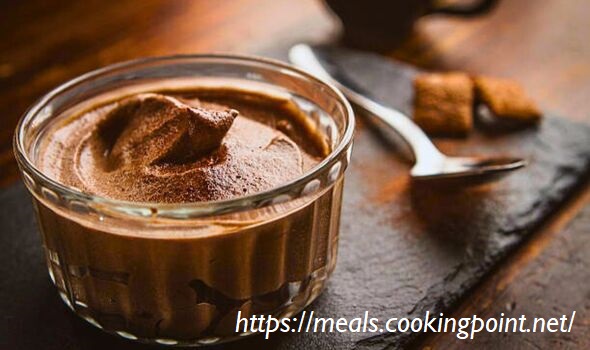
Chocolate mousse is one of the most celebrated desserts in the world, admired for its smooth texture, rich chocolate flavor, and refined simplicity. Originating in France, the word mousse means “foam,” which perfectly describes the light and airy texture that defines this dessert. Despite its luxurious reputation, chocolate mousse is created from a small number of carefully balanced ingredients and a thoughtful preparation process. When made correctly, it delivers an indulgent experience that feels both comforting and sophisticated.
This essay presents a comprehensive exploration of a tasty chocolate mousse recipe, examining its history, ingredient selection, preparation method, culinary science, variations, nutritional considerations, common challenges, and cultural significance. By understanding the principles behind this classic dessert, one can master the art of creating chocolate mousse that is consistently smooth, rich, and irresistibly delicious.
Origins and Culinary Significance of Chocolate Mousse
Chocolate mousse traces its roots to French cuisine in the 18th century, when chefs began experimenting with whipped textures and aerated desserts. Originally, mousse referred to savory dishes, but as chocolate became more widely available in Europe, sweet versions gained popularity. Over time, chocolate mousse evolved into a hallmark of fine dining, frequently appearing on restaurant menus and at celebratory occasions.
The appeal of chocolate mousse lies in its balance of contrasts. It is rich yet light, indulgent yet delicate. Unlike baked desserts, mousse relies on technique rather than heat to achieve its structure, making it a true test of a cook’s skill and understanding of ingredients.
The Essence of a Tasty Chocolate Mousse
A truly tasty chocolate mousse is defined by three essential qualities: flavor, texture, and balance. The chocolate flavor must be deep and pronounced without being bitter. The texture should be airy, smooth, and creamy, with no graininess. Finally, sweetness and richness must be carefully balanced so that the dessert feels indulgent but not overwhelming.
Achieving these qualities requires attention to detail, patience, and an appreciation for the science of emulsification and aeration. Each step in the recipe plays a critical role in the final result.
Ingredient Selection and Their Roles
The success of chocolate mousse depends heavily on ingredient quality. Since the recipe contains relatively few components, each one must be chosen carefully.
Chocolate
Chocolate is the heart of the mousse. High-quality dark chocolate with a cocoa content between 60% and 70% is ideal. This range provides a rich chocolate flavor without excessive bitterness. Milk chocolate can be used for a sweeter mousse, but it may result in a softer texture.
Eggs
Eggs play a crucial role in creating structure and lightness. Egg yolks add richness and help emulsify the mixture, while egg whites, when whipped, create the airy texture that defines mousse.
Cream
Heavy cream contributes smoothness and body. When whipped, it adds volume and a creamy mouthfeel that complements the chocolate.
Sugar
Sugar sweetens the mousse and stabilizes whipped egg whites. The amount of sugar must be carefully controlled to maintain balance.
Butter (Optional)
Some recipes include butter for added richness and silkiness. While not essential, butter enhances the luxurious quality of the mousse.
Vanilla and Salt
A small amount of vanilla extract and a pinch of salt enhance the chocolate flavor and add complexity.
Step-by-Step Tasty Chocolate Mousse Recipe
Step 1: Melting the Chocolate
The chocolate is gently melted using a double boiler or microwave. This step must be done carefully to avoid overheating, which can cause the chocolate to seize or become grainy. Once melted, the chocolate is allowed to cool slightly.
Step 2: Preparing the Egg Yolks
Egg yolks are whisked with sugar until pale and slightly thickened. This process dissolves the sugar and incorporates air, contributing to a smoother texture.
Step 3: Combining Chocolate and Yolks
The melted chocolate is gradually added to the egg yolk mixture, stirring continuously to create a smooth, glossy base. This step requires patience to ensure proper emulsification.
Step 4: Whipping the Egg Whites
Egg whites are whipped until soft or medium peaks form. This creates the foam that gives mousse its signature lightness. Overwhipping can result in a dry or grainy texture, so careful attention is essential.
Step 5: Whipping the Cream
Heavy cream is whipped to soft peaks. The cream should be thick enough to hold shape but still smooth and pliable.
Step 6: Folding the Components Together
The whipped egg whites and whipped cream are gently folded into the chocolate mixture in stages. Folding must be done carefully to preserve the air incorporated during whipping. This step determines the final texture of the mousse.
Step 7: Chilling and Setting
The mousse is portioned into serving dishes and chilled for several hours. Chilling allows the flavors to meld and the texture to set, resulting in a perfectly smooth dessert.
The Science Behind Chocolate Mousse
Chocolate mousse is a prime example of culinary science in action. Its texture relies on the interaction between fats, proteins, and air.
- Emulsification: Egg yolks and chocolate form a stable emulsion, preventing separation.
- Aeration: Whipped egg whites and cream introduce air, creating a light structure.
- Fat Stabilization: Cocoa butter and cream fat solidify slightly when chilled, helping the mousse hold its shape.
Understanding these principles helps cooks troubleshoot problems and refine their technique.
Common Mistakes and How to Avoid Them
Grainy Texture
This often occurs when chocolate is overheated or mixed with cold ingredients too quickly. Ensuring all components are at similar temperatures prevents this issue.
Flat or Dense Mousse
Overmixing during folding can deflate the air bubbles. Gentle folding preserves volume and lightness.
Too Sweet or Too Bitter
Using the correct type of chocolate and adjusting sugar levels ensures balanced flavor.
Variations of Chocolate Mousse
Chocolate mousse is highly adaptable and can be customized to suit different tastes and dietary preferences.
Dark Chocolate Mousse
Uses high-cocoa chocolate for an intense, sophisticated flavor.
Milk Chocolate Mousse
Sweeter and creamier, ideal for those who prefer mild chocolate desserts.
White Chocolate Mousse
Made with white chocolate, offering a delicate and vanilla-forward flavor.
Flavored Mousse
Orange zest, coffee, chili, or liqueurs can be added for unique variations.
Nutritional Considerations
While chocolate mousse is an indulgent dessert, it also offers some nutritional benefits when made with quality ingredients.
- Dark chocolate contains antioxidants.
- Eggs provide protein and essential nutrients.
- Cream contributes energy and satiety.
Portion control allows enjoyment without excess.
Serving and Presentation
Presentation enhances the experience of chocolate mousse. It can be served in elegant glasses, topped with whipped cream, chocolate shavings, fresh berries, or mint leaves. Texture and visual appeal play a significant role in elevating this simple dessert.
Cultural and Emotional Significance
Chocolate mousse is often associated with celebration, romance, and fine dining. Its smooth texture and rich flavor evoke comfort and indulgence, making it a popular choice for special occasions.
In many cultures, chocolate desserts symbolize pleasure and reward, and mousse stands as a timeless expression of culinary artistry.
Conclusion
The tasty chocolate mousse recipe is a testament to the beauty of simplicity in cooking. With just a few high-quality ingredients and careful technique, it delivers a dessert that is both elegant and deeply satisfying. By understanding the science behind its texture and the importance of balance in flavor, anyone can master this classic dish.
Chocolate mousse remains a beloved dessert not because of complexity, but because of its ability to transform basic ingredients into something extraordinary. Whether served at a formal dinner or enjoyed as a homemade treat, chocolate mousse continues to represent the perfect union of taste, texture, and timeless culinary tradition.


