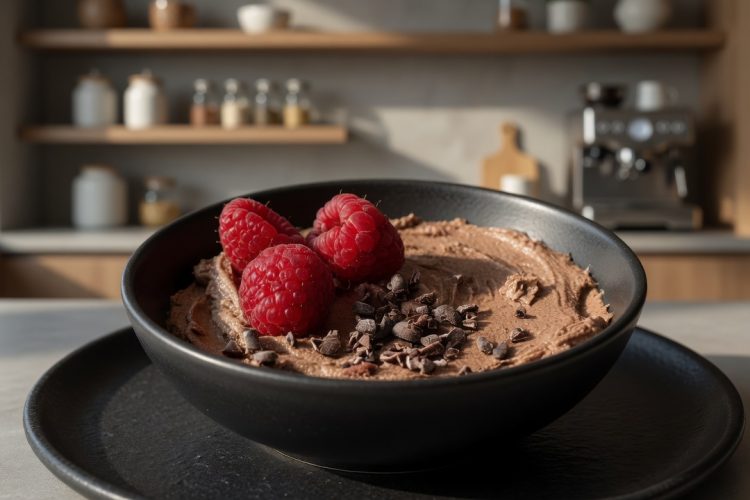
Making chocolate mousse at home doesn’t require fancy ingredients or complicated techniques. This high-protein version uses just three simple ingredients that create a rich, creamy dessert. Greek yogurt forms the base, providing protein and a thick texture that mimics traditional mousse. Dark chocolate adds deep chocolate flavor while cacao powder intensifies the chocolate taste. The result is a healthier dessert that satisfies chocolate cravings without the guilt.
Why Greek Yogurt Makes Perfect Mousse
Greek yogurt has a thick, creamy texture that works beautifully in mousse recipes. The straining process removes excess liquid, leaving behind concentrated protein and a dense consistency. Using 2% or 5% fat Greek yogurt creates the richest, smoothest mousse. Non-fat yogurt tends to be too watery and won’t give you the luxurious texture you want. The tanginess of Greek yogurt also balances the sweetness of chocolate perfectly. Each serving provides a good amount of protein, making this dessert more filling than regular mousse.
Selecting the Best Dark Chocolate
Dark chocolate with 70% cocoa or higher works best for this recipe. Higher cocoa percentages mean more intense chocolate flavor and less added sugar. Quality matters when you’re using so few ingredients, so choose chocolate you enjoy eating on its own. Dark chocolate chips melt smoothly and are convenient to measure and use. You can also chop a dark chocolate bar into small pieces if you prefer. The chocolate provides healthy fats and antioxidants along with rich flavor.
Understanding Cacao Powder Benefits
Cacao powder is raw cocoa that hasn’t been roasted at high temperatures. This minimal processing preserves more nutrients and antioxidants than regular cocoa powder. The flavor is slightly more intense and less sweet than Dutch-processed cocoa. Sifting the cacao powder removes any lumps that could create a grainy texture. If you only have regular cocoa powder, it works fine as a substitute. The cacao powder deepens the chocolate flavor without adding extra sugar or fat.
Melting Chocolate the Right Way
Microwave melting is quick and convenient when done carefully. Use a microwave-safe bowl and heat in short 30-second bursts. Stir the chocolate thoroughly after each interval to distribute heat evenly. Chocolate can burn quickly if overheated, so patience is important. The chocolate should be smooth and glossy when fully melted. Let the melted chocolate cool for a few minutes before mixing with the yogurt.
Why Cooling Chocolate Matters
Hot melted chocolate can affect the texture of Greek yogurt negatively. The heat can cause the yogurt proteins to separate and become grainy. Letting the chocolate cool to warm room temperature prevents this problem. You want the chocolate fluid enough to mix easily but not hot. A few minutes of cooling time makes a big difference in the final texture. Touch the bottom of the bowl to check if it’s cool enough to proceed.
Mixing for the Perfect Consistency
Combine all three ingredients in a large bowl or stand mixer. A whisk attachment or hand mixer creates the smoothest, airiest mousse. Whipping incorporates air that makes the mousse light and fluffy. Mix on medium speed for 2 to 3 minutes until everything is fully combined. The mixture should be thick, smooth, and free of any lumps. If the mousse seems too thick, add a tablespoon of milk at a time to adjust.
Adjusting Thickness to Your Preference
Some people prefer very thick mousse while others like it slightly softer. The consistency straight after mixing will be like thick frosting. Adding a splash of regular milk, almond milk, or coconut milk thins it out. Add liquid gradually and mix well to avoid making it too thin. Remember that the mousse will thicken considerably when refrigerated. Start with less liquid than you think you need and adjust after tasting.
Chilling Time and Texture Development
Refrigeration is necessary for the mousse to set properly and develop full flavor. Two hours is the minimum chilling time, but overnight is even better. The cold temperature firms up the chocolate and thickens the yogurt further. The flavors also meld together and intensify during this resting period. Cover the container tightly to prevent the mousse from absorbing refrigerator odors. The mousse will keep getting thicker the longer it sits in the fridge.
Creative Topping Ideas
Toppings add visual appeal and extra layers of flavor and texture. Grated dark chocolate or chocolate shavings create an elegant presentation. A pinch of flaky sea salt enhances the chocolate flavor and adds sophistication. Fresh berries like raspberries or strawberries provide tartness and color. Chopped nuts like almonds or hazelnuts add crunch and healthy fats. Coconut flakes, mint leaves, or a dollop of whipped cream also work well.
Making It Sweeter If Needed
This recipe relies on the natural sweetness of dark chocolate without added sugar. Some people may find it not sweet enough depending on their taste. A drizzle of honey or maple syrup mixed in adds natural sweetness. Sugar-free sweeteners like stevia or monk fruit work for low-carb diets. Add sweetener gradually and taste as you go to avoid making it too sweet. Mix any sweetener in thoroughly before chilling for even distribution.
Storing Your Chocolate Mousse
Transfer the mousse to an airtight container to maintain freshness. Glass containers work well and don’t absorb odors or stains. The mousse keeps in the refrigerator for up to 4 days. Beyond that, the texture may start to separate slightly. Individual serving containers make grab-and-go desserts convenient. Always store the mousse covered to prevent it from drying out or picking up flavors.
Serving Size Suggestions
This recipe makes about 4 generous servings as a dessert. You can also divide it into 6 smaller portions for a lighter treat. Use small glass jars or ramekins for an attractive presentation. Layer the mousse with berries or granola for a parfait-style dessert. A quarter cup serving provides a satisfying chocolate fix with good protein. Adjust portion sizes based on your dietary needs and preferences.
Making This Recipe Dairy-Free
Coconut yogurt works as a dairy-free substitute for Greek yogurt. Look for unsweetened coconut yogurt with a thick consistency. Almond milk yogurt or cashew yogurt also work but may be thinner. Use dairy-free dark chocolate chips to keep the recipe completely plant-based. The flavor will be slightly different but still delicious and creamy. Follow the same method and chilling time for dairy-free versions.
Adapting for Keto and Low-Carb Diets
This mousse can fit into keto and low-carb eating plans with small changes. Use full-fat Greek yogurt for maximum fat content and creaminess. Choose sugar-free dark chocolate with 85% cocoa or higher. The higher the cocoa percentage, the lower the net carbs. Add a keto-friendly sweetener like erythritol if needed. Each serving will have moderate carbs, so plan the rest of your meals accordingly.
Protein Content and Benefits
Each serving provides approximately 13 grams of protein from the Greek yogurt. This makes the mousse more satisfying than traditional desserts. Protein helps keep you full longer and supports muscle maintenance. The combination of protein and healthy fats creates a balanced treat. You can increase protein further by using Greek yogurt with higher protein content. This dessert works great as a post-workout snack or afternoon pick-me-up.
Troubleshooting Common Issues
If your mousse turns out grainy, the chocolate was probably too hot when mixed. Make sure to let melted chocolate cool adequately before adding to yogurt. Lumpy texture means the cacao powder wasn’t sifted or mixed thoroughly enough. Too runny consistency indicates you may have added too much liquid. If the mousse is too thick, simply stir in a bit more milk. These problems are all easy to fix and avoid with practice.
Using Different Chocolate Percentages
Dark chocolate comes in various cocoa percentages from 60% to 90% or higher. Lower percentages like 60-70% are sweeter and milder in chocolate flavor. Higher percentages like 85-90% are more bitter and intense. Choose based on your personal preference for chocolate intensity. Remember that higher percentages mean less sugar but stronger flavor. You may need to add sweetener if using very high percentage chocolate.
Nutritional Advantages Over Traditional Mousse
Traditional chocolate mousse is made with heavy cream, egg yolks, and lots of sugar. This version cuts calories and sugar significantly while adding protein. The Greek yogurt provides calcium and probiotics for digestive health. Dark chocolate contains antioxidants and minerals like iron and magnesium. Cacao powder adds fiber and more antioxidants without extra calories. You get a healthier dessert that still feels indulgent and satisfying.
When to Serve This Mousse
This versatile dessert works for many occasions and times of day. Serve it as an elegant dessert after dinner parties or family meals. It makes a great afternoon snack when you need protein and energy. Pack it for lunch as a sweet ending to your midday meal. The mousse also works as a special breakfast treat topped with granola. Keep some in the fridge for whenever chocolate cravings hit.
Flavor Variations to Try
Add a teaspoon of vanilla extract for extra depth and sweetness. A pinch of cinnamon or cayenne pepper adds warmth and complexity. Orange zest mixed in creates a sophisticated chocolate-orange combination. Peppermint extract makes it taste like chocolate mint dessert. Instant espresso powder enhances the chocolate flavor with coffee notes. Start with small amounts of any flavoring and adjust to taste.
Making Mousse for Special Diets
This recipe is naturally gluten-free since it contains no flour or grains. It’s also suitable for vegetarians who eat dairy products. Check that your chocolate chips don’t contain any hidden animal products for strict vegetarians. The recipe can be made vegan using plant-based yogurt and dairy-free chocolate. Those with nut allergies should check chocolate labels carefully. Always verify ingredients if cooking for people with specific dietary restrictions.
Batch Making and Meal Prep
Double or triple this recipe to have chocolate mousse ready all week. Make a large batch on Sunday for healthy desserts throughout the week. Store in individual containers for portion control and convenience. The mousse stays fresh for 4 days, making it perfect for meal prep. You can also prepare the mousse for parties and gatherings ahead of time. This frees up your schedule on the day of the event.
Cost-Effective Dessert Option
Making mousse at home costs less than buying individual dessert cups. Greek yogurt, chocolate, and cacao powder are all reasonably priced ingredients. One batch makes multiple servings at a fraction of store-bought dessert prices. The ingredients are also versatile and can be used in many other recipes. Homemade mousse has better quality ingredients than most commercial versions. You control exactly what goes in without preservatives or artificial flavors.
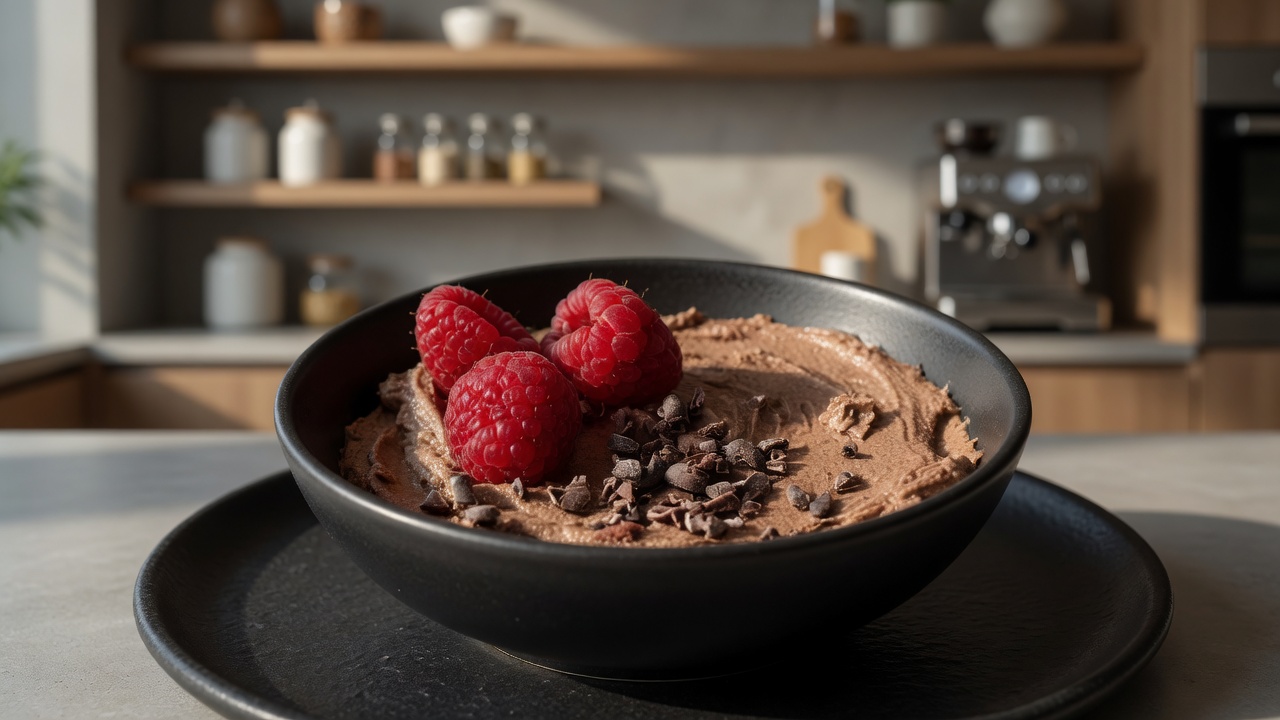
High-Protein Chocolate Mousse
A creamy, rich chocolate mousse made with just three ingredients. Greek yogurt provides protein while dark chocolate and cacao powder create deep chocolate flavor. This healthy dessert is easy to make and satisfies chocolate cravings.
4
servings8
minutes2
hours305
kcal2
hours8
minutesIngredients
1 ½ cups plain Greek yogurt (2% or 5% fat)
1 cup dark chocolate chips
⅓ cup cacao powder, sifted
Optional toppings: grated dark chocolate, flaky sea salt, fresh berries, chopped nuts
Directions
- Place dark chocolate chips in a microwave-safe bowl. Microwave in 30-second intervals, stirring after each, until completely melted and smooth. Let cool for a few minutes.
- In a large mixing bowl or stand mixer, combine Greek yogurt, melted chocolate, and sifted cacao powder.
- Use a whisk attachment or hand mixer to whip the mixture on medium speed for 2 to 3 minutes until smooth and creamy. Add a splash of milk if too thick.
- Transfer mousse to an airtight container and refrigerate for at least 2 hours or overnight until thickened.
- Scoop into serving bowls and add desired toppings before serving.
Nutrition Facts
- Calories: 305kcal
- Fat: 18g
- Carbohydrates: 32g
- Sugar: 13g
- Protein: 13g


