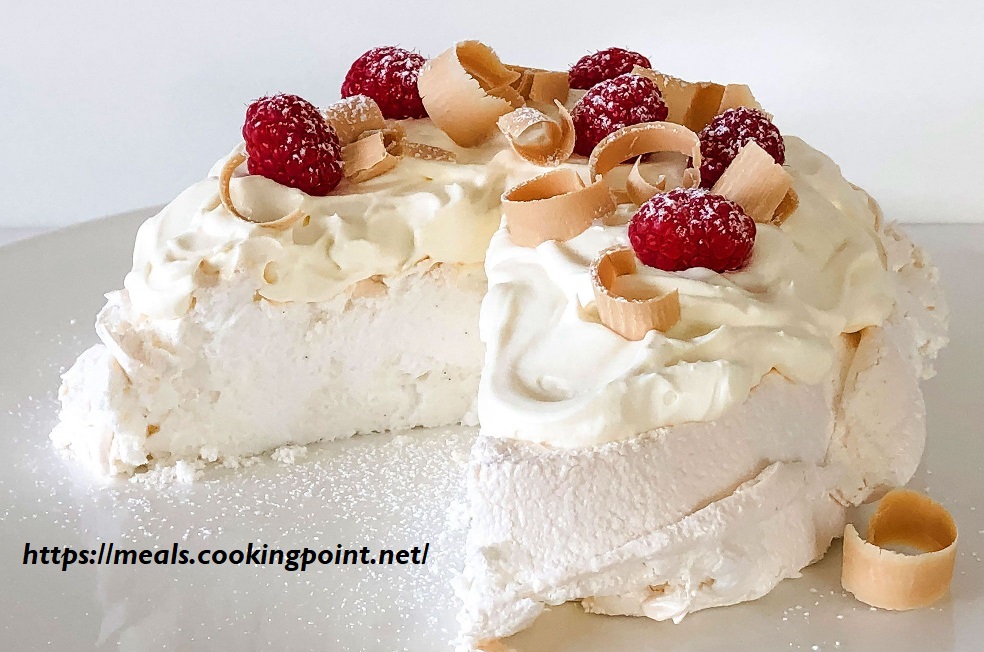
Pavlova is an iconic dessert celebrated worldwide for its ethereal meringue shell, crisp exterior, and marshmallow-like interior, typically topped with whipped cream and fresh fruit. Named after the Russian ballerina Anna Pavlova, this dessert has become a symbol of elegance and indulgence, appearing on festive tables and special occasions. Traditionally baked in conventional ovens, the pavlova is notoriously sensitive to temperature, humidity, and timing, which can challenge even experienced bakers.
In recent years, air fryers have revolutionized home cooking by enabling precise, consistent heat circulation and faster cooking times. The Air Fryer Pavlova combines this modern technology with a classic recipe, producing a meringue that is perfectly crisp on the outside, soft and marshmallowy inside, and beautifully shaped—all without the need for a conventional oven. This essay explores the recipe in depth, covering its conceptual foundation, ingredient selection, preparation methods, scientific principles, nutritional benefits, common challenges, and cultural significance.
The Concept Behind Air Fryer Pavlova
The fundamental concept of a pavlova is simple yet exacting: a meringue that is crisp on the exterior and soft inside. Achieving this requires careful manipulation of egg whites, sugar, and acid. Traditionally, pavlova is baked at low temperatures for an extended period to dehydrate the meringue gently without browning excessively.
The air fryer introduces a new method for this classic dessert. By circulating hot air around the meringue, the air fryer achieves even cooking with a shorter baking time. The appliance also reduces humidity around the meringue, which is essential for crisping the exterior. The Air Fryer Pavlova retains the delicate textures and visual appeal of a traditional pavlova while offering greater consistency and convenience.
The Role of Air Fryer Technology
Air fryers function by circulating heated air rapidly around the food, a method known as convection cooking. This rapid air circulation offers several advantages when making pavlova:
- Even Heat Distribution: Unlike conventional ovens, which can have hot spots, the air fryer ensures the meringue is cooked uniformly.
- Crisp Exterior Formation: The circulating air helps dehydrate the surface, creating a crisp shell while maintaining a marshmallow-like interior.
- Reduced Cooking Time: Pavlova that might take 60–90 minutes in a conventional oven can often be baked in 30–45 minutes in an air fryer, depending on size and temperature.
- Moisture Control: Excess moisture is efficiently removed from the meringue, reducing the risk of a soggy or sticky exterior.
These characteristics make the air fryer particularly suitable for small to medium pavlovas or individual serving-sized meringues.
Understanding the Pavlova Structure
A pavlova consists of three critical elements:
- Meringue Base: Made from egg whites, sugar, and acid (such as lemon juice or cream of tartar), it forms the shell and the soft interior.
- Whipped Cream: Lightly sweetened cream adds richness and balances the sweetness of the meringue.
- Fruit Topping: Fresh berries, passion fruit, kiwi, or other fruits provide acidity, juiciness, and color contrast, enhancing both flavor and visual appeal.
Each component is essential for the overall experience. The meringue provides texture, the cream contributes moisture and richness, and the fruit introduces freshness and brightness.
Key Ingredients and Their Roles
Egg Whites
Egg whites are the foundation of pavlova. Beaten to stiff peaks, they trap air, creating the meringue’s structure. Proteins in the egg whites coagulate during baking, forming a firm but delicate exterior.
Sugar
Granulated sugar stabilizes the meringue, provides sweetness, and contributes to the crisp outer shell. In some recipes, superfine sugar is preferred for faster dissolution and smoother texture.
Acid (Lemon Juice or Cream of Tartar)
Acid stabilizes the egg whites and helps prevent collapse. It also improves the meringue’s volume and ensures the marshmallow-like interior remains tender.
Cornstarch (Optional)
Cornstarch is sometimes added to pavlova to create a slightly chewy interior. It helps absorb moisture, ensuring the inside remains soft while the exterior crisps.
Vanilla Extract
Vanilla provides aromatic depth and enhances the natural sweetness of the meringue.
Whipped Cream
Heavy cream, whipped to soft peaks with a touch of sugar, complements the meringue’s crisp exterior and adds richness to the dessert.
Fresh Fruit
Seasonal berries, passion fruit pulp, or sliced kiwi provide acidity, juiciness, and visual appeal. Fruit balances sweetness and adds natural flavor contrast.
Step-by-Step Air Fryer Pavlova Process
Step 1: Preparing the Egg Whites
- Ensure egg whites are at room temperature for better volume.
- Beat egg whites using a clean, grease-free whisk or mixer until soft peaks form.
Step 2: Incorporating Sugar
- Gradually add sugar while continuing to beat.
- Sugar should dissolve completely, leaving a glossy, stiff meringue.
Step 3: Adding Stabilizers
- Gently fold in acid (lemon juice or cream of tartar) and optional cornstarch.
- Add vanilla extract for flavor.
Step 4: Shaping the Meringue
- Line the air fryer basket with parchment paper.
- Spoon or pipe the meringue into a circular shape. For individual servings, pipe smaller rounds.
- Create a slight well in the center for whipped cream and fruit.
Step 5: Air Frying
- Preheat the air fryer to low heat (around 250–275°F / 120–135°C).
- Cook for 30–45 minutes, depending on size.
- Avoid opening the air fryer frequently to maintain consistent temperature.
Step 6: Cooling
- Allow pavlova to cool completely in the air fryer or at room temperature.
- Cooling stabilizes the structure and prevents collapse.
Step 7: Assembling
- Whip cream to soft peaks and sweeten lightly.
- Fill the center of the cooled pavlova with cream.
- Top with fresh fruit just before serving to maintain freshness and texture.
Scientific Principles Behind Pavlova
The success of pavlova relies on several culinary and scientific principles:
- Protein Denaturation and Coagulation: Beating egg whites incorporates air and stretches proteins, which then coagulate during baking to form structure.
- Sugar’s Role: Sugar stabilizes the meringue by dissolving into the egg whites and reinforcing the protein matrix.
- Acid Stabilization: Acid prevents premature protein aggregation, allowing maximum volume.
- Moisture Management: Air frying removes excess moisture from the exterior while maintaining a soft interior.
- Thermal Conductivity: Even low heat prevents browning while ensuring the meringue sets and develops the correct texture.
Nutritional Considerations
Pavlova, while indulgent, can be adapted to fit various dietary considerations:
- Low Fat (Meringue Only): The meringue itself is primarily egg whites and sugar.
- Gluten-Free: Naturally gluten-free, making it suitable for celiac or gluten-sensitive individuals.
- Customizable Sweeteners: Sugar can be replaced with erythritol or monk fruit for a low-carb version.
- Vitamin and Fiber Boost: Topping with fresh fruits adds antioxidants, vitamins, and fiber.
Common Challenges and Solutions
Collapsing Meringue
- May occur due to under-beaten egg whites, overbeating, or high humidity.
- Solution: Beat whites to stiff peaks and fold ingredients gently; avoid baking in humid conditions.
Cracking
- Minor cracks are normal. Large cracks may result from rapid temperature changes.
- Solution: Maintain consistent low heat and allow gradual cooling.
Sticky Exterior
- Can result from undercooked meringue.
- Solution: Air fry at the correct temperature and ensure complete cooking time.
Soggy Center
- Often caused by adding fruit or cream too early.
- Solution: Assemble just before serving to maintain crisp exterior.
Serving Suggestions
- Top pavlova with a combination of seasonal berries for color and flavor contrast.
- Drizzle lightly with sugar-free chocolate or fruit coulis for elegance.
- Serve individual pavlovas as single portions for parties.
- Pair with a glass of sparkling wine or tea for a sophisticated presentation.
Cultural Significance
Pavlova is celebrated as a classic dessert in Australia and New Zealand, with debates over its origin reflecting culinary heritage. The Air Fryer Pavlova represents a modern interpretation, combining technology and convenience with traditional culinary techniques. It allows contemporary cooks to honor the legacy of pavlova while adapting it to home kitchens equipped with air fryers.
Advantages of Air Fryer Pavlova
- Time Efficiency: Faster than conventional oven baking.
- Consistency: Even heat reduces risk of uneven cooking.
- Convenience: Ideal for small kitchens or limited oven space.
- Energy Efficiency: Uses less energy than a large conventional oven.
- Precision: Easier to control temperature and airflow, minimizing errors.
The Air Fryer Pavlova is a testament to the fusion of tradition and modern innovation in the culinary arts. By leveraging the air fryer’s convection capabilities, bakers can achieve a pavlova that is crisp on the outside, soft and marshmallowy inside, and visually stunning. With careful attention to meringue preparation, ingredient selection, and air fryer technique, this dessert preserves the elegance and flavor of the classic pavlova while offering convenience, consistency, and adaptability.
Air Fryer Pavlova demonstrates that modern appliances can enhance traditional recipes without compromising quality. By understanding the scientific principles behind meringue structure, moisture control, and flavor development, bakers can consistently create this delicate dessert. With its crisp exterior, luscious interior, and vibrant fruit topping, the Air Fryer Pavlova is a perfect centerpiece for celebrations, demonstrating that innovation and tradition can harmoniously coexist in the kitchen.


