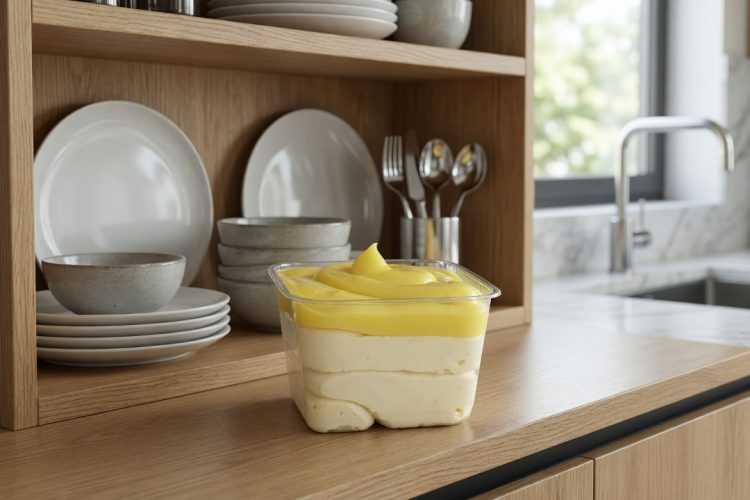
This high-protein lemon vanilla layered dessert is a simple no-bake treat made with creamy vanilla Greek yogurt and tangy lemon pudding. With around 33 grams of protein per serving, it is a satisfying option for anyone looking for a healthier dessert, post-workout snack, or easy protein-rich meal prep idea.
The combination of bright lemon and smooth vanilla creates a refreshing flavor that feels indulgent without relying on heavy cream, large amounts of sugar, or complicated baking techniques. Best of all, the dessert requires only about 15 minutes of active preparation and a short chilling period before it is ready to enjoy.
Why This High-Protein Dessert Works
The appeal of this protein dessert comes from its balance of flavor, texture, convenience, and nutrition. The lemon pudding layer provides a bright citrus flavor, while the vanilla yogurt layer adds creaminess and a naturally rich dairy taste. Using a ready-to-drink vanilla protein shake gives the pudding layer additional protein and creates a smooth consistency without needing to mix protein powder separately. Greek yogurt contributes even more protein while helping the upper layer become thick enough to hold its shape.
This dessert is especially useful for people who want sweet foods that fit into an active lifestyle. Instead of preparing a complicated baked dessert, you can mix the ingredients, layer them into serving containers, chill them, and have a ready-to-eat treat. The recipe is also flexible enough to prepare ahead of time, making it useful for busy weekdays, workout routines, and weekly meal preparation.
Quick Meal Prep Dessert
One of the biggest advantages of this lemon protein dessert is how quickly it comes together. The complete recipe takes approximately 35 minutes when the chilling time is included, while the active preparation requires only about 15 minutes. Since there is no oven, stovetop cooking, or complicated equipment involved, it is an excellent choice when you want a homemade dessert without spending much time in the kitchen.
The dessert can be divided into individual containers immediately after preparation. Store the portions in airtight containers in the refrigerator and enjoy them throughout the week. Preparing several servings at once can make it easier to stay consistent with protein intake while also giving you a convenient alternative to cookies, candy, ice cream, or other traditional sweets.
Protein and Nutrition
Each serving provides approximately 296 calories and 33 grams of protein, making this dessert considerably more protein-focused than many conventional sweets. The protein comes primarily from the vanilla protein shake and Greek yogurt. The recipe contains about 2 grams of fat and 31 grams of carbohydrates per serving, with approximately 10 grams of sugar based on the specified ingredients.
Because nutritional values can vary between brands, the exact calories and macronutrients may change depending on the protein shake, Greek yogurt, and pudding mix selected. If you are tracking calories or macros closely, check the nutrition labels on the specific products you use. Even with those variations, the basic recipe remains a convenient way to turn familiar grocery-store ingredients into a high-protein dessert.
Choosing a Vanilla Protein Shake
A ready-to-drink vanilla protein shake is used as the liquid base for the lemon pudding layer. Using a prepared shake is convenient because it already contains the correct liquid consistency and protein content. A shake containing around 20 grams or more of protein per bottle is a practical choice when the goal is to keep the finished dessert high in protein.
The vanilla flavor also works well with lemon because it provides a creamy background without overpowering the citrus. Different brands may produce slightly different sweetness and texture, so the final result can vary. Fairlife protein shakes are one option mentioned for this recipe because their ultra-filtered milk provides concentrated protein. However, another vanilla protein shake can be used if it provides a similar consistency and fits your nutritional preferences.
Selecting Greek Yogurt
Vanilla Greek yogurt creates the creamy top layer and contributes a substantial amount of protein. Greek yogurt is thicker than traditional yogurt because much of the whey is removed during straining. This gives the dessert a rich texture that works especially well for layered recipes.
For a lighter option, you can use a low-fat or fat-free vanilla Greek yogurt. Triple Zero-style Greek yogurt can also be used when you want a product with no added sugar and a high protein content. Oikos Triple Zero is one example, although the specific brand is not essential. Look for vanilla Greek yogurt with a good protein content and a texture that is thick enough to layer easily.
Sugar-Free Instant Pudding Mix
Sugar-free instant pudding mix plays an important role because it thickens the dessert without requiring cooking. The lemon variety gives the bottom layer its bright citrus flavor, while a vanilla or cheesecake-style pudding mix can enhance the creamy flavor of the yogurt layer.
Instant pudding contains ingredients that thicken when hydrated, allowing the mixtures to become spoonable after chilling. Sugar-free versions are particularly useful when you want to keep the dessert’s sugar and calorie content lower. Always check the package size and nutrition information because pudding mixes can differ between brands.
How to Get a Smooth Texture
For the smoothest lemon layer, whisk the cold protein shake and pudding mix thoroughly until the mixture begins to thicken. It may initially look thinner than expected, but instant pudding continues to develop its texture as it sits. Give it several minutes before deciding that it needs additional thickener.
An immersion blender can be used if you want an exceptionally smooth texture, although it is completely optional. A regular wire whisk is enough for most kitchens. Avoid adding excessive pudding mix simply because the mixture looks thin at first. Doing so can make the lemon flavor overly strong and produce a dense or artificial texture.
Creating Clean Dessert Layers
The layered appearance is one of the most attractive features of this recipe. Clear glasses, jars, or meal-prep containers allow the contrasting lemon and vanilla layers to remain visible. You can place the lemon pudding on the bottom and vanilla yogurt on top, or reverse the order depending on the presentation you prefer.
For cleaner layers, add the second mixture slowly rather than dropping a large spoonful directly onto the first layer. Wide-mouth mason jars are especially convenient because they make both layering and serving easy. You can also create several thinner alternating layers if you want a striped parfait-style appearance rather than two large sections.
Refrigeration and Storage
Once assembled, cover the dessert containers and refrigerate them until properly chilled. The recipe is designed to be made ahead, making it especially useful for meal prep. When stored correctly in sealed containers in the refrigerator, the dessert can remain suitable for several days.
Individual portions are convenient because they make serving simple and reduce the need to repeatedly open a large container. Keep the dessert refrigerated and use clean utensils when serving. If you notice an unusual smell, appearance, or texture, discard the portion rather than consuming it.
Serving Size Ideas
The recipe makes two generous servings, with each portion providing a substantial amount of protein and approximately 296 calories. This size can work well as a filling snack or post-workout dessert. If you prefer smaller desserts, divide the mixture among three or four containers.
Smaller portions can be particularly useful after dinner when you want something sweet without having a large serving. Four-ounce containers are convenient for portion control, while larger jars are better when the dessert is being used as a more substantial snack. Adjust the serving size according to your individual nutritional needs.
Flavor Variations
The basic recipe can easily be adapted with different pudding flavors while maintaining the same general concept. Chocolate pudding paired with a chocolate protein shake can create a richer chocolate version. Banana cream pudding can provide a sweeter fruit-inspired variation, while strawberry pudding works nicely with vanilla yogurt for a berry-style dessert.
Pistachio, butterscotch, cheesecake, and vanilla pudding are additional possibilities. The exact flavor and nutritional values will depend on the products selected, but keeping the overall proportions similar helps maintain the intended consistency. This flexibility makes the recipe useful for meal prep because you can change the flavor instead of making the same dessert every week.
A Useful Post-Workout Snack
The high protein content makes this dessert particularly appealing after exercise. Protein provides amino acids that the body uses for many important functions, including maintaining and repairing muscle tissue. Greek yogurt and dairy-based protein shakes can also contribute calcium and other nutrients.
While individual nutrition needs vary, a protein-rich dessert can be an easy way to include more protein in the day. Rather than treating dessert as something completely separate from your nutrition plan, recipes like this combine sweetness with useful nutrients. It can also be paired with fruit or another balanced food when additional carbohydrates, fiber, or micronutrients are desired.
Common Ingredient Questions
Greek yogurt can technically be replaced with regular yogurt, but the result will usually be thinner and may contain less protein. Greek yogurt is preferred because its thick consistency helps create the creamy top layer. A ready-made protein shake is also generally easier to use than mixing protein powder with water or milk because the prepared shake has a smooth liquid consistency.
For the advertised lower-sugar nutritional profile, sugar-free pudding mix should be used. Switching to regular pudding mix can significantly change the sugar, carbohydrate, and calorie content. If you need the recipe to meet a specific dietary requirement, always check the labels of every ingredient rather than relying only on the recipe’s general nutritional description.
Troubleshooting Texture
If the lemon pudding layer appears thin immediately after mixing, allow it to rest for several minutes before making adjustments. Instant pudding needs time to hydrate and thicken. Using cold ingredients also helps the mixture set properly. Warm protein shakes or yogurt may produce a softer consistency.
If the vanilla yogurt layer is difficult to spread, gently stir it until it becomes easier to spoon. Avoid excessive mixing because it can loosen the yogurt. If either layer becomes too thick, a small amount of the appropriate liquid can help loosen it, but add liquid gradually so you do not accidentally make the dessert too runny.
Budget-Friendly Protein Dessert
Making this dessert at home can also be more economical than purchasing individual high-protein desserts. Large containers of Greek yogurt are often useful for several servings, while store-brand protein shakes and pudding mixes can help reduce ingredient costs. Buying ingredients in larger packages can make the recipe even more practical for regular meal preparation.
Compared with specialty protein desserts sold in fitness or health-food stores, homemade portions give you more control over ingredients, serving size, and flavor. You can also adjust the recipe to match your preferred protein shake and yogurt instead of being limited to whatever flavors are available in a prepared product.
When to Enjoy It
This layered dessert can be enjoyed at almost any time of day. It works as a mid-afternoon snack when you need something filling between meals, a post-workout option after exercise, or a light dessert after dinner. Some people may also enjoy a smaller portion as part of breakfast alongside fruit or another nutritious food.
Its combination of creamy texture and lemon flavor makes it particularly refreshing when served cold. Keeping several portions ready in the refrigerator means you can reach for a planned snack instead of having to prepare something whenever a sweet craving appears.
Presentation and Garnishing
Although the recipe is simple, presentation can make it look much more elaborate. Clear dessert glasses show the contrasting layers and create an attractive parfait-style appearance. A small amount of lemon zest can reinforce the citrus flavor while adding color. A thin lemon slice placed on the rim can also make the dessert look polished.
For a more dessert-like presentation, a small amount of whipped topping can be added before serving. Fresh berries can also complement the lemon and vanilla flavors. Keep additional toppings in mind when calculating nutrition because ingredients such as whipped cream, granola, sauces, or sweetened fruit can increase calories and sugar.
Adapting the Recipe
The basic dessert can work for several eating preferences, but ingredient labels should always be checked carefully. Lactose-free Greek yogurt and lactose-free protein shakes may be suitable alternatives for people avoiding lactose. Many pudding mixes and dairy products are naturally gluten-free, but anyone with celiac disease or a strict gluten-free diet should verify product labels and manufacturing information.
The recipe is vegetarian because it does not contain meat or fish. However, it is not automatically dairy-free because both Greek yogurt and many protein shakes contain dairy. Choosing suitable plant-based alternatives would require checking their thickness, protein content, and compatibility with the pudding mix.
Why Lemon and Vanilla Work Together
Lemon and vanilla create a classic dessert combination because their flavors provide a useful contrast. Lemon contributes acidity and brightness, while vanilla brings a smooth, sweet aroma. The tart citrus flavor keeps the creamy yogurt layer from tasting too heavy, while the vanilla softens the sharpness of the lemon.
Serving the dessert cold also changes how the flavors are perceived. Refrigeration helps the pudding become firmer while creating a refreshing texture. This balance between tart, sweet, creamy, and cold is what makes such a simple combination feel satisfying without requiring a complicated dessert recipe.
Scaling for Meal Prep
The recipe can be doubled or tripled when preparing snacks for several days. Keep the ingredient proportions consistent so that the texture remains similar. When making a larger batch, use appropriately sized mixing bowls and prepare each layer separately before assembling the individual containers.
For a single serving, the recipe can be reduced, although small pudding packages can make exact measurements more difficult. Because the finished dessert keeps well when refrigerated, preparing the full batch may be more convenient even when cooking for one person.
Why Protein-Rich Desserts Are Useful
Many traditional desserts focus primarily on sugar and fat, while protein-rich desserts provide an opportunity to make sweetness part of a more balanced eating pattern. Protein can contribute to satiety and helps provide amino acids needed by the body. Greek yogurt and protein shakes make it possible to increase protein without turning the dessert into a complicated recipe.
This lemon vanilla layered dessert shows how a few convenient ingredients can create a creamy, satisfying treat with a substantially higher protein content than many conventional desserts. It is simple enough for beginners, quick enough for busy schedules, and flexible enough to adapt to different flavors and serving sizes.
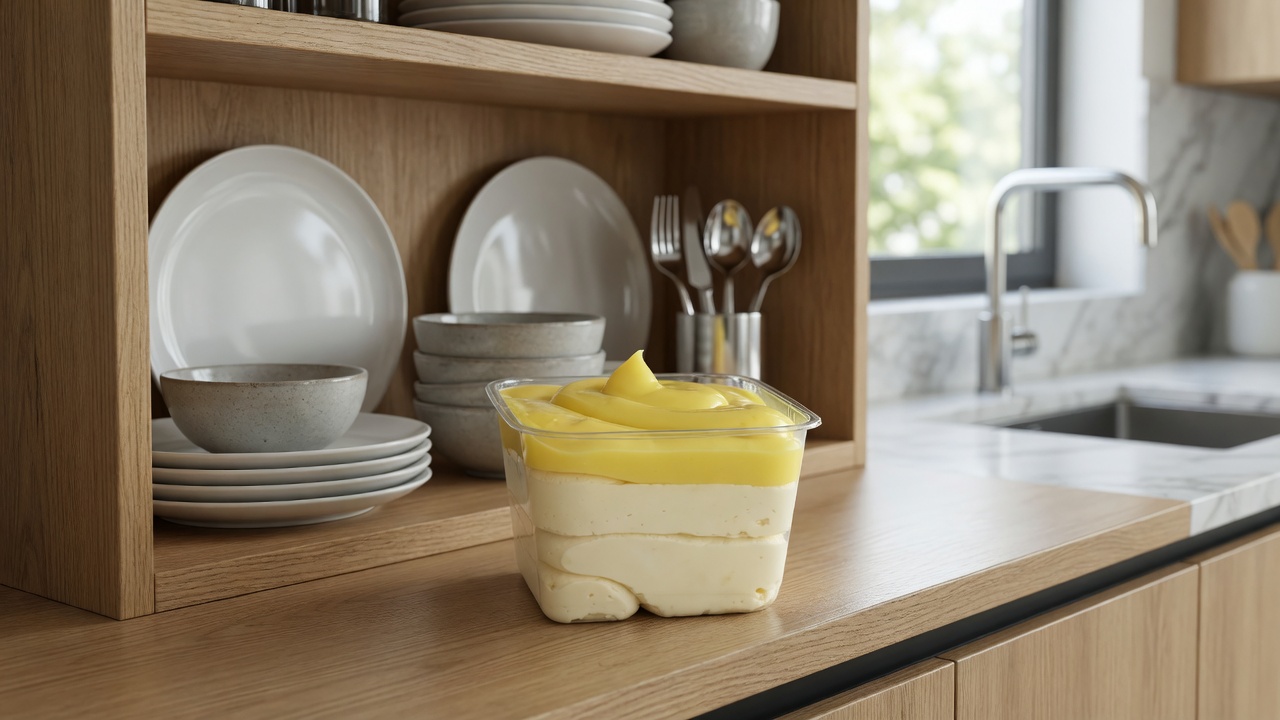
High Protein Lemon Pudding
A quick and easy no-bake layered dessert combining silky lemon protein pudding with fluffy vanilla Greek yogurt. This high-protein treat delivers 33 grams of protein per serving with minimal fat and sugar.
2
servings15
minutes20
minutes296
kcal35
minutesIngredients
- For the Lemon Pudding Layer:
1 bottle (14 oz) vanilla protein shake
1 box (1 oz) sugar-free instant lemon pudding mix
- For the Yogurt Layer:
538g vanilla Greek yogurt
1 small box (1 oz) sugar-free instant pudding mix (cheesecake or vanilla flavor)
Directions
- Combine the vanilla protein shake with lemon pudding mix in a bowl and whisk together until well blended. Allow the mixture to sit and thicken for a few minutes. For a smoother texture, use an immersion blender.
- In a separate bowl, mix the vanilla Greek yogurt with your choice of pudding mix, stirring until the powder is completely incorporated and the mixture is smooth.
- Spoon the yogurt mixture into your serving containers, creating the first layer.
- Carefully add the lemon pudding mixture on top of the yogurt layer, pouring slowly to keep the layers separate.
- Place the containers in the refrigerator and chill for 20 minutes before serving to allow the layers to set properly.
Notes
- Store covered in the refrigerator for up to 5 days. Use cold ingredients for best texture results. The lemon layer will continue to thicken as it chills. Clear glass containers showcase the beautiful layers. You can reverse the layering order if preferred. An immersion blender is optional but creates a silkier pudding texture.
Nutrition Facts
- Calories: 296kcal
- Fat: 2g
- Carbohydrates: 31g
- Sugar: 10g
- Protein: 33g


