Introduction
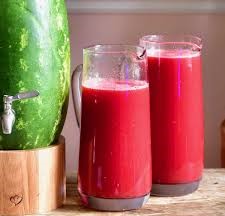
Fresh watermelon juice is one of the most refreshing homemade beverages you can prepare during warm weather. It is naturally sweet, cooling, hydrating, and requires very little effort. Because watermelon contains a large amount of water, it blends easily into a smooth and delicious drink without needing complicated ingredients or equipment.
Homemade watermelon juice is often preferred over packaged beverages because it contains no artificial colors, preservatives, or excessive sweeteners. The flavor remains light, natural, and fresh. It can be enjoyed plain or enhanced with ingredients like lemon, mint, ginger, basil, or tropical fruits.
This complete guide explains every part of the process carefully, from selecting the best watermelon to serving the juice perfectly chilled. It also includes variations, storage advice, health information, serving ideas, and helpful tips to improve flavor and texture.
Why Watermelon Juice Is Popular
Watermelon juice is loved around the world because it is:
- Easy to prepare
- Naturally hydrating
- Light and refreshing
- Budget-friendly
- Suitable for all age groups
- Perfect for hot weather
- Customizable with many flavors
It works well as a breakfast drink, summer refreshment, post-workout beverage, picnic drink, or party cooler.
Preparation Information
Preparation Time
15 minutes
Optional Chilling Time
20 minutes
Total Time
15–35 minutes
Servings
Approximately 4 large glasses
Ingredients
Main Ingredients
- 6 cups ripe watermelon cubes
- 1 tablespoon fresh lemon juice
- 1–2 tablespoons honey or sugar (optional)
- 1 cup chilled water or coconut water (optional)
- Ice cubes for serving
Optional Flavor Enhancers
You may add one or more of the following ingredients:
- Fresh mint leaves
- Fresh basil leaves
- Small piece of ginger
- Lime juice
- Black salt
- Chia seeds
- Pineapple chunks
- Strawberry slices
- Orange juice
- Sparkling water
These additions allow you to create different styles of watermelon juice depending on your preference.
Choosing the Best Watermelon
The flavor of the juice depends heavily on the quality of the watermelon. Sweet and ripe fruit produces naturally delicious juice with minimal effort.
Signs of a Ripe Watermelon
1. Heavy Weight
A ripe watermelon should feel heavy for its size because it contains plenty of water and juice.
2. Creamy Yellow Spot
Look for a creamy yellow patch on the outer rind. This area rested on the ground while ripening and usually indicates sweetness.
3. Deep Green Color
A healthy watermelon often has a rich green outer skin.
4. Hollow Sound
When tapped gently, a ripe watermelon usually produces a deep hollow sound.
5. Firm Exterior
The skin should feel firm and solid without soft areas.
Watermelons to Avoid
Avoid watermelons that:
- Feel soft in certain spots
- Have cracks or cuts
- Smell sour
- Appear dry or shriveled
- Feel unusually light
These signs may indicate poor ripeness or spoilage.
Equipment Needed
You only need basic kitchen tools:
- Sharp knife
- Cutting board
- Blender
- Large bowl or jug
- Fine strainer or sieve (optional)
- Serving glasses
Detailed Step-by-Step Instructions
Step 1: Wash the Watermelon
Before cutting the watermelon, rinse it thoroughly under clean running water.
Even though the rind is not eaten, washing the surface helps prevent dirt or bacteria from transferring to the fruit during cutting.
Dry the watermelon with a clean kitchen towel.
Step 2: Cut the Watermelon Properly
Place the watermelon on a stable cutting board.
Using a sharp knife:
- Slice the watermelon into halves
- Cut each half into smaller sections
- Carefully remove the thick green rind
- Cut the red flesh into medium-sized cubes
If the watermelon contains black seeds, remove them before blending.
Seedless watermelon is usually easier and faster to prepare.
Step 3: Chill the Fruit
For the best flavor, refrigerate the watermelon cubes for about 20 minutes before blending.
Cold watermelon creates a fresher taste and reduces the need for excessive ice, which can dilute the flavor.
Step 4: Blend the Ingredients
Add the chilled watermelon cubes into the blender.
Then add:
- Lemon juice
- Honey or sugar if needed
- Water or coconut water if using
Blend until smooth.
Most blenders require approximately 30–60 seconds.
Avoid over-blending because too much blending may create excess foam.
Step 5: Taste the Juice
Taste the juice before serving.
You can adjust the flavor by:
- Adding more lemon juice for brightness
- Adding sweetener if the fruit is not sweet enough
- Adding more cold water for a thinner consistency
Blend again briefly after making adjustments.
Step 6: Strain the Juice (Optional)
If you prefer silky smooth juice, pour the blended mixture through a fine strainer into a jug.
Use the back of a spoon to press the pulp gently.
Some people prefer keeping the pulp because it adds fiber and texture.
Both versions are delicious.
Step 7: Serve Immediately
Pour the juice into chilled serving glasses.
Add ice cubes if desired.
Fresh watermelon juice tastes best immediately after preparation because the flavor is brightest and most refreshing when freshly blended.
Popular Watermelon Juice Variations
Mint Watermelon Juice
Add several fresh mint leaves while blending.
Mint gives the drink a cooling and refreshing flavor that works especially well during summer.
Ginger Watermelon Juice
Blend in a small piece of fresh ginger.
This variation adds warmth and slight spice to balance the sweetness.
Tropical Watermelon Juice
Combine watermelon with pineapple chunks or coconut water.
This creates a sweeter and more tropical-style beverage.
Strawberry Watermelon Juice
Blend fresh strawberries with the watermelon.
This produces a richer fruity taste and deeper pink color.
Sparkling Watermelon Cooler
After blending, add sparkling water before serving.
This version feels lighter and more festive.
Citrus Watermelon Juice
Use a mixture of lemon and lime juice for stronger citrus flavor.
The acidity enhances the sweetness naturally.
Serving Suggestions
Watermelon juice pairs well with many foods.
Best Food Pairings
- Sandwiches
- Light salads
- Grilled chicken
- Barbecue meals
- Seafood dishes
- Summer snacks
- Breakfast platters
Perfect Occasions
- Family gatherings
- Summer parties
- Outdoor picnics
- Beach trips
- Iftar meals
- Garden lunches
- Poolside events
Health Benefits of Watermelon Juice
Excellent Hydration
Watermelon contains a very high amount of water, making it ideal during hot weather or after physical activity.
Naturally Low in Calories
Compared to many packaged drinks, watermelon juice is relatively low in calories when prepared without excessive sugar.
Source of Important Nutrients
Watermelon contains nutrients such as:
- Vitamin C
- Vitamin A
- Potassium
These nutrients help support general wellness and hydration.
Natural Energy Source
The fruit’s natural sugars provide quick energy without making the drink heavy.
Storage Instructions
Fresh juice is always best consumed immediately after preparation.
However, leftovers can still be stored safely.
Refrigerator Storage
- Pour into an airtight container
- Refrigerate for up to 24 hours
- Stir or shake before serving
The flavor and texture may separate slightly during storage.
Can You Freeze Watermelon Juice?
Yes.
You can freeze watermelon juice in:
- Ice cube trays
- Freezer-safe bottles
- Containers with lids
Frozen watermelon cubes can also be blended later into smoothies or slush drinks.
Common Mistakes to Avoid
Using Unripe Fruit
Unripe watermelon creates weak and bland juice.
Adding Too Much Water
Too much liquid reduces the natural watermelon flavor.
Excessive Sweetener
Ripe watermelon is already naturally sweet.
Too much sugar can overpower the fresh fruit taste.
Serving Warm Juice
Warm watermelon juice feels less refreshing.
Always serve chilled for the best experience.
Storing Too Long
Fresh juice gradually loses flavor and freshness over time.
Professional Tips for Better Flavor
Use Cold Ingredients
Cold fruit improves taste and texture.
Add Citrus Carefully
A small amount of lemon or lime brightens the sweetness naturally.
Blend Briefly
Over-blending may create foam and affect texture.
Use Coconut Water
Coconut water adds extra freshness and tropical flavor.
Serve Immediately
Fresh juice always tastes brighter and cleaner.
Frequently Asked Questions
Can I Make Watermelon Juice Without a Blender?
Yes.
You can mash the fruit manually and strain the liquid through a sieve, though the texture may be less smooth.
Is Sugar Necessary?
No.
Sweet watermelon usually provides enough natural sweetness.
Can Children Drink Watermelon Juice?
Yes.
Fresh homemade watermelon juice is generally suitable for children when prepared hygienically.
Can I Add Other Fruits?
Absolutely.
Watermelon blends well with:
- Strawberries
- Pineapple
- Orange
- Mango
- Lime
Why Does the Juice Separate?
Natural separation is normal because fresh juice contains water and fruit pulp.
Simply stir before serving.
Final Thoughts
Fresh watermelon juice is one of the simplest and most satisfying homemade drinks you can make. It requires only a few ingredients, very little preparation time, and delivers naturally refreshing flavor.
Whether served plain, mixed with mint, blended with tropical fruits, or enhanced with citrus, watermelon juice remains a cooling beverage suitable for many occasions.
The secret to excellent watermelon juice is choosing ripe fruit, balancing flavors gently, keeping ingredients chilled, and serving the drink fresh. With a little creativity, this simple recipe can easily become a favorite homemade refreshment for family gatherings, summer afternoons, and everyday hydration.


