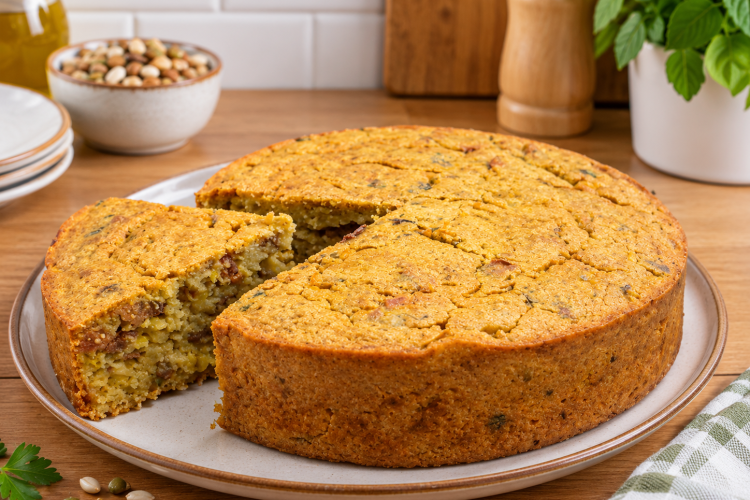
This healthy oatmeal apple and carrot cake is a soft, naturally sweet dessert made with rolled oats, fresh apple, carrot, dried fruit, and warm cinnamon. It has a tender texture without using regular wheat flour, making it a simple choice when you want a homemade cake with everyday ingredients. The combination of apple and carrot gives every slice a mild sweetness and plenty of moisture.
Why This Oatmeal Cake Works
The recipe starts with rolled oats instead of traditional flour. The oats are blended with baking powder and milk to create a thick base that becomes soft as it rests. Grated carrot and small pieces of apple add moisture, while dried apricots and raisins bring little bursts of sweetness throughout the cake.
A Cozy Apple Carrot Dessert
The cinnamon gives this cake a familiar warm flavor that works especially well with apples and carrots. Vanilla adds another gentle layer of flavor, while the eggs help the batter set as it bakes. A small amount of olive oil keeps the finished cake tender without making it heavy.
What Makes It Different
Unlike a standard apple cake, this recipe does not depend on wheat flour. Rolled oats form the main dry ingredient, giving the cake a slightly hearty texture. The fruit and vegetables also make the inside moist, so the cake stays enjoyable even after it has cooled.
Ingredients That Give the Cake Its Texture
Rolled Oats
Rolled oats are the base of this cake and replace regular flour. Blending them with baking powder creates a coarse oat flour that mixes easily with milk. Sprouted gluten-free rolled oats can be used as listed in the recipe when you want a gluten-free oatmeal cake.
Apple and Carrot
The apple brings natural sweetness and small pieces of soft fruit to the batter. A crisp apple works well because it keeps some texture while baking. The grated carrot blends into the mixture and adds moisture without making the cake taste strongly of carrot.
Dried Apricots and Raisins
Dried apricots and raisins add sweetness and a chewy texture to the cake. Soaking them briefly in hot water makes them softer before they go into the batter. This small preparation step helps the dried fruit blend better with the moist cake instead of remaining tough after baking.
Eggs, Milk, and Olive Oil
Eggs provide structure as the cake bakes, while milk helps turn the blended oats into a thick batter. Olive oil adds moisture and helps keep the crumb soft. These ingredients work together to create a cake that is tender but still sturdy enough to slice.
How to Prepare the Oat Batter
Blend the Oats
Begin by placing the rolled oats and baking powder in a blender. Pulse until the oats become a coarse flour rather than a completely fine powder. This texture gives the finished cake a little more character and keeps it from becoming too dense.
Add the Milk
Transfer the blended oats to a bowl and mix in the milk. The mixture should become thick and creamy. Let it sit briefly so the oats can absorb some of the liquid. This resting time is useful because oats continue to soften after they are mixed with milk.
Prepare the Carrot
Peel the carrot and grate it using the large holes of a grater. Add it directly to the oat mixture and stir well. Grating the carrot helps it cook evenly and allows it to become part of the cake rather than leaving large, firm pieces inside.
Preparing the Fruit
Soak the Dried Fruit
Place the dried apricots and raisins in hot water for about five minutes. Drain them well before using. The soaking process softens the fruit and helps it stay pleasant and tender after the cake has been baked.
Cut the Apple
Cut the apple into small cubes so the pieces spread evenly through the batter. A crisp variety such as Granny Smith or Honeycrisp works well in this recipe. Small pieces also make the cake easier to cut neatly once it has cooled.
Add Cinnamon and Fruit
Stir the apple pieces and ground cinnamon into the oat batter. Add the drained dried apricots and raisins after chopping the apricots into smaller pieces. Mix gently until the fruit is spread throughout the mixture instead of collecting in one area.
Making the Egg Mixture
Whisk the Eggs
In another bowl, combine the eggs, a pinch of salt, sugar, and vanilla extract. Whisk until the mixture becomes foamy. This gives the eggs a lighter texture and helps them combine evenly with the thick oat batter.
Combine Everything
Pour the egg mixture into the bowl containing the oats, apple, and carrot. Add the olive oil and stir until everything is evenly combined. The finished batter should look thick, moist, and glossy rather than thin like a traditional cake batter.
Baking the Apple Carrot Cake
Prepare the Pan
Line a 7-inch springform pan with parchment paper. This makes it easier to remove the cake after baking and helps prevent the bottom from sticking. Smooth the batter into the pan and spread the top evenly before placing it in the oven.
Bake Until Golden
Bake the cake in a preheated oven at 360°F (180°C) for 45 to 50 minutes. The surface should become golden, and the center should be set. Because oat-based cakes can remain tender in the middle, allow enough baking time for the center to fully cook.
Let It Cool
Once baked, leave the cake in the pan for about 15 to 20 minutes. This gives the structure time to settle and makes removal easier. Carefully take it out of the pan and peel away the parchment before slicing.
How the Texture Should Be
Soft but Firm
This oatmeal apple carrot cake should have a soft center with enough structure to hold together when sliced. It will feel more moist and hearty than a classic flour-based sponge cake. The oats, apple, carrot, and dried fruit all contribute to this texture.
Give It Time to Set
Avoid cutting the cake immediately after taking it from the oven. The center continues to firm as the cake cools. Waiting before slicing also makes the pieces cleaner and reduces the chance of the middle feeling overly soft.
Flavor and Serving Ideas
A Light Dessert
This cake works well as a simple dessert after lunch or dinner. Its apple, carrot, cinnamon, and dried fruit combination gives it enough flavor to enjoy without needing a complicated topping. It can also be served as a small afternoon snack with tea or coffee.
A Breakfast-Style Slice
Although listed as a dessert and snack, a slice can also work as part of a relaxed breakfast. The rolled oats give the cake a hearty base, while apple and carrot add natural ingredients and texture. Keep portions suitable for your own dietary needs and preferences.
Serve It Warm or Cool
The cake can be served after it has cooled or gently warmed before eating. A warm slice has a softer texture, while a chilled slice becomes firmer and easier to handle. Both options work well depending on how you prefer oat-based cakes.
Making a Gluten-Free Version
Use Certified Gluten-Free Oats
The listed recipe already specifies sprouted gluten-free rolled oats. If you need the cake to be gluten-free, check the package carefully and choose oats that are clearly labeled gluten-free. Oats themselves do not contain wheat, but cross-contact can occur during processing.
Keep the Recipe Simple
There is no need to add regular flour to this cake. The oats provide the main structure, while eggs help the batter set during baking. Keeping the ingredient balance as listed also preserves the intended texture of the recipe.
Sweetness and Flavor
Sugar or Stevia
The recipe uses one tablespoon of sugar or sweetener stevia. If using a stevia product, its sweetness can vary considerably between brands. A concentrated stevia product is much stronger than a 1:1 baking blend, so the amount should be chosen according to the product instructions.
Natural Sweetness From Fruit
The apple, apricots, and raisins contribute sweetness alongside the added sugar or sweetener. This combination gives the cake several layers of flavor instead of relying only on the added sweetener. Cinnamon and vanilla also help make the overall taste feel fuller.
Choosing the Right Baking Pan
Seven-Inch Springform Pan
A 7-inch springform pan is used for the original recipe. Its removable sides make it convenient for taking the cake out after cooling. Lining the base with parchment adds another layer of protection against sticking.
Other Round Pans
If a springform pan is not available, a similar-sized round cake pan can be used. Line the bottom with parchment and grease the sides well. A larger pan can spread the batter into a thinner layer, which may reduce the baking time, so begin checking earlier.
Preventing a Soft Center
Check the Middle
Oat cakes can sometimes need extra time in the oven because the fruit and vegetables release moisture while baking. If the center still feels too soft, continue baking for a little longer and check it again. Avoid removing the cake too early simply because the top has already turned golden.
Cool Before Chilling
If the cake appears baked but remains very tender in the middle, cooling it fully can make a noticeable difference. Chilling the cake can firm the texture further and make slicing easier. This is especially useful when you prefer neat slices.
Storing the Cake
Refrigerator Storage
Store leftover slices in an airtight container in the refrigerator. They can be kept for about four to five days when stored properly. Keeping the cake covered helps prevent it from drying out and protects it from absorbing other refrigerator odors.
Reheating Individual Slices
For a softer, warmer texture, reheat a slice in the microwave. You can also warm it in a 350°F oven until heated through. Reheating can bring back some of the soft texture that the cake has after it has been chilled.
Ingredient Notes and Practical Swaps
Milk Choices
The original recipe uses one cup of milk. The listed ingredient can be used as written, while the source also allows milk alternatives such as almond or oat milk. When changing the type of milk, use the same amount so the overall batter consistency stays similar.
Oil Choices
Olive oil is included in the original ingredient list. The source also states that coconut oil can be used in the same amount. Both options help keep the cake moist, so the choice can depend on what you already have available.
Dried Fruit Alternatives
The original recipe uses dried apricots and raisins. Other dried fruit options can work when needed, including chopped dates, dried cranberries, dried cherries, or chopped prunes. Soaking replacement dried fruit in hot water first can help soften it before it goes into the cake.
Common Questions About This Cake
Can I Make This Cake Without Regular Flour?
Yes. Regular wheat flour is not part of the ingredient list. Rolled oats are blended into a coarse oat flour and provide the main dry base for the batter. This is what gives the recipe its flourless oat cake character.
Why Does the Batter Need to Rest?
The short resting period allows the blended oats to absorb some of the milk. Oats naturally take in liquid, so this helps the mixture become thicker before the remaining ingredients are added. It also gives the batter a more even consistency.
Why Is My Cake Still Soft in the Middle?
The apple, carrot, and dried fruit all contain moisture, so the center can take longer to set. If the middle is still too soft, continue baking for a few minutes at a time. Once baked, cooling and chilling can also help the cake become firmer.
Can I Use Another Apple?
Yes, the recipe specifically suggests a crisp apple such as Granny Smith or Honeycrisp. The important point is to cut the apple into small pieces so it spreads evenly through the batter and cooks properly during the baking time.
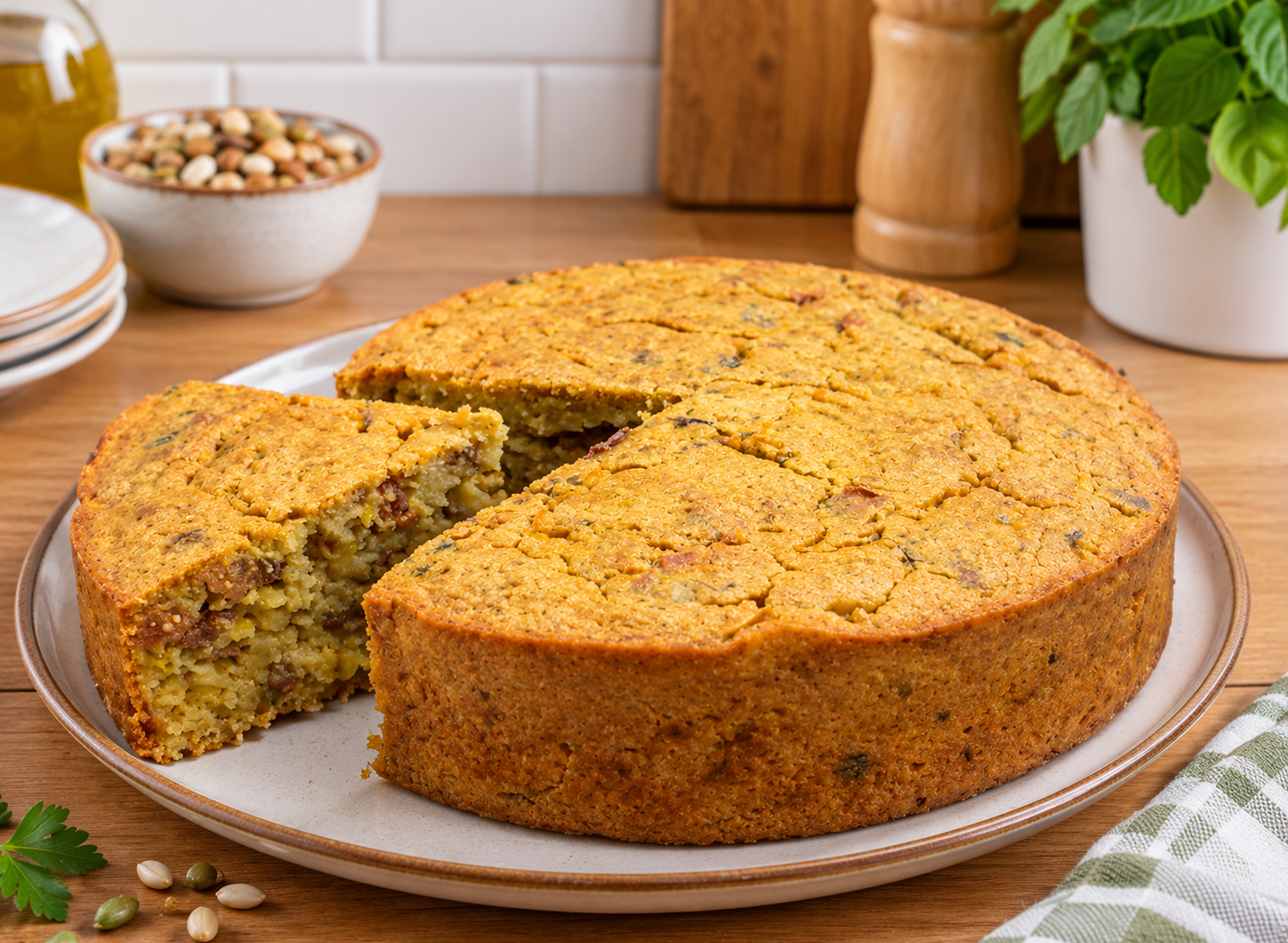
Healthy No-Flour Oatmeal, Apple & Carrot Cake
A soft and cozy flourless oatmeal cake made with rolled oats, fresh apple, grated carrot, dried apricots, raisins, cinnamon, and vanilla. This easy apple carrot cake has a moist texture and warm cinnamon flavor, making it suitable as a simple dessert or snack.
8
servings30
minutes50
minutes192
kcal1
hour20
minutesIngredients
2 cups (200 g) oat flakes (sprouted gluten-free rolled oats)
1 teaspoon (4 g) baking powder
1 cup (240 ml) milk
1 piece carrot
6 to 7 pieces dried apricots
2 to 3 tablespoons raisins
1 piece apple
1 teaspoon (2.5 g) ground cinnamon
3 pieces eggs
pinch salt
1 tablespoon (12–13 g) sugar or sweetener stevia
1 teaspoon (5 ml) vanilla extract
1 to 2 tablespoons (15–30 ml) olive oil
Directions
- Add the rolled oats and baking powder to a blender and pulse until a coarse oat flour forms. Transfer to a bowl, stir in the milk, and let the mixture rest briefly. Peel and grate the carrot, then mix it into the oat mixture.
- Soak the dried apricots and raisins in hot water for 5 minutes. Drain well, chop the apricots, and set the dried fruit aside. Cut the apple into small cubes and add it to the batter with the ground cinnamon.
- In a separate bowl, whisk the eggs, salt, sugar or stevia, and vanilla extract until foamy. Pour this mixture into the oat batter, add the olive oil, and stir until the batter is evenly combined and glossy.
- Line a 7-inch springform pan with parchment paper. Pour the batter into the pan and smooth the surface. Bake in a preheated oven at 360°F (180°C) for 45–50 minutes, or until the top is golden and the center is set.
- Remove the cake from the oven and allow it to cool in the pan for 15–20 minutes. Carefully remove the sides of the pan and peel away the parchment paper.
- Allow the cake to cool further before slicing. Store leftover portions in an airtight container in the refrigerator for about 4–5 days. Warm individual slices before serving if desired.
Nutrition Facts
- Calories: 192kcal
- Fat: 7g
- Carbohydrates: 25g
- Protein: 6g


