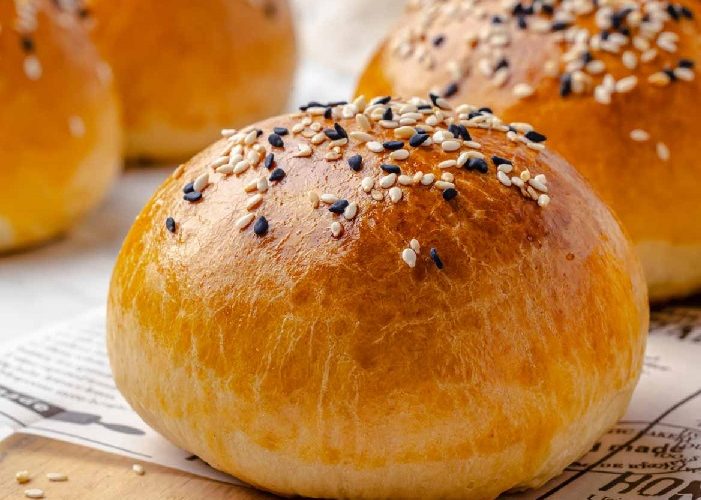
Buns Recipe: A Complete Guide to Soft, Fluffy, Homemade Buns
Buns are one of the most versatile and universally loved baked goods in the world. Soft, fluffy, and gently sweet, buns serve as the foundation for countless meals—from breakfast sandwiches and burgers to afternoon tea treats and festive celebrations. Whether plain or enriched with butter, milk, or eggs, buns represent comfort, simplicity, and the timeless joy of homemade bread.
This comprehensive guide explores everything you need to know about making buns at home. From understanding ingredients and techniques to shaping, baking, storage, and variations, this article will help you master the art of perfect buns step by step.
The History and Cultural Importance of Buns
Buns have existed in various forms across cultures for centuries. In Europe, enriched yeast breads evolved into soft rolls and buns as sugar, butter, and refined flour became more accessible. In Asia, steamed buns developed alongside baked versions. In the West, buns became closely associated with meals such as burgers, hot dogs, and tea-time snacks.
Over time, buns transformed from simple sustenance into an essential culinary item. Today, they are baked at home, produced in commercial bakeries, and enjoyed worldwide in both sweet and savory forms.
What Makes a Good Bun?
A perfect bun should have the following qualities:
- Soft and tender crumb
- Light, airy interior
- Slightly golden exterior
- Mildly sweet or neutral flavor
- Balanced moisture
- Even shape and structure
Achieving these characteristics requires the right ingredients, correct fermentation, gentle handling, and proper baking.
Essential Ingredients for Buns and Their Roles
Flour
All-purpose or bread flour is commonly used. Bread flour provides more structure due to higher protein content, while all-purpose flour produces softer buns.
Yeast
Yeast is responsible for fermentation and rise. It converts sugar into carbon dioxide, creating a light texture.
Milk or Water
Milk enriches the dough, resulting in softer buns and better browning. Water creates a lighter texture with a neutral flavor.
Sugar
Sugar feeds the yeast, enhances flavor, and promotes browning. Sweet buns use more sugar, while savory buns use less.
Butter or Oil
Fat adds richness, tenderness, and moisture. Butter enhances flavor, while oil produces a softer crumb.
Eggs (Optional)
Eggs enrich the dough, improve color, and add structure and softness.
Salt
Salt strengthens gluten and balances sweetness. Without it, buns taste flat.
Understanding Dough Enrichment
Buns are typically enriched doughs, meaning they contain fats, sugar, and sometimes eggs. Enrichment slows yeast activity slightly but results in a softer, more flavorful final product. Managing fermentation time is crucial when working with enriched doughs.
Step-by-Step Buns Recipe Process
Step 1: Activating the Yeast
Warm milk or water (not hot) is combined with yeast and a small amount of sugar. This step ensures the yeast is alive and active.
Step 2: Mixing the Dough
Flour, sugar, salt, eggs (if used), melted butter, and yeast mixture are combined to form a soft dough.
Step 3: Kneading
Kneading develops gluten, giving structure and elasticity. Dough should be smooth, soft, and slightly tacky.
Kneading methods:
- Hand kneading (8–10 minutes)
- Stand mixer with dough hook (5–7 minutes)
Step 4: First Rise (Bulk Fermentation)
Place dough in a lightly greased bowl, cover, and allow it to rise until doubled in size. This usually takes 1–2 hours, depending on temperature.
Step 5: Shaping the Buns
Punch down the dough to release air. Divide into equal portions and shape into smooth balls by tucking edges underneath.
Step 6: Second Rise (Proofing)
Arrange buns on a baking tray and allow them to rise again until puffy. This ensures softness and proper volume.
Step 7: Baking
Bake in a preheated oven until golden brown. Brushing with milk or egg wash before baking enhances color and softness.
Step 8: Cooling
Cool buns on a wire rack. Brushing with butter after baking adds flavor and shine.
The Science Behind Soft and Fluffy Buns
Gluten Development
Proper kneading forms gluten networks that trap gas and support structure.
Fermentation
Yeast fermentation produces carbon dioxide, creating lightness and flavor.
Moisture Retention
Fat and sugar help retain moisture, keeping buns soft longer.
Oven Spring
Heat causes rapid gas expansion in the first minutes of baking, giving buns their final rise.
Common Mistakes When Making Buns
Over-Flouring the Dough
Too much flour leads to dense buns. Dough should be soft, not stiff.
Under-Proofing
Buns that haven’t risen enough will be heavy and tight.
Over-Proofing
Over-risen dough may collapse during baking.
High Oven Temperature
Too much heat browns the exterior before the inside cooks.
Types of Buns
Plain Dinner Buns
Soft, neutral buns perfect for meals.
Burger Buns
Slightly sweet, sturdy buns that hold fillings.
Milk Buns
Extra soft and rich, ideal for sandwiches.
Sweet Buns
Enriched with sugar, raisins, or fillings.
Whole Wheat Buns
Healthier option with added fiber.
Shaping Techniques for Buns
- Round buns – classic dinner rolls
- Oval buns – hot dog style
- Pull-apart buns – baked close together
- Filled buns – stuffed with sweet or savory fillings
Shaping affects appearance and texture.
Serving Suggestions
Buns can be served with:
- Butter, jam, or honey
- Burgers, sliders, or sandwiches
- Soups and stews
- Breakfast eggs and cheese
- Afternoon tea spreads
They adapt easily to both sweet and savory meals.
Storage and Shelf Life
- Store at room temperature for 2–3 days
- Freeze for up to 2 months
- Reheat gently to restore softness
Avoid refrigeration, which dries out buns.
Nutritional Considerations
Homemade buns offer better control over ingredients:
- Reduced preservatives
- Adjustable sugar and fat levels
- Whole-grain options for fiber
- Dairy-free or egg-free adaptations
Balanced portions allow buns to fit into a healthy diet.
Variations and Flavor Additions
- Garlic and herb buns
- Cheese-filled buns
- Sesame or poppy seed topping
- Honey or brioche-style buns
- Vegan buns using oil and plant milk
Buns are endlessly customizable.
Why Homemade Buns Are Better Than Store-Bought
Homemade buns offer:
- Freshness
- Superior texture
- Custom flavors
- Better nutrition
- Personal satisfaction
The aroma of baking buns alone makes the effort worthwhile.
Baking Buns for Special Occasions
Buns play an important role in celebrations:
- Holiday dinners
- Family gatherings
- Birthday sliders
- Festive brunches
They symbolize sharing, comfort, and togetherness.
Tips for Perfect Buns Every Time
- Measure ingredients accurately
- Use room-temperature ingredients
- Allow proper rising time
- Handle dough gently
- Bake until evenly golden
Consistency comes with practice.
Conclusion
Buns are a timeless staple that showcases the beauty of simple baking. With just a handful of ingredients and thoughtful technique, anyone can create soft, fluffy, and flavorful buns at home. From everyday meals to special occasions, buns serve as a comforting and versatile bread that adapts to countless culinary needs.
Understanding the science behind dough fermentation, gluten development, and baking temperatures allows home bakers to achieve bakery-quality results consistently. Whether enjoyed plain, filled, sweet, or savory, homemade buns represent warmth, nourishment, and the joy of baking from scratch.
Mastering the buns recipe is not just about bread—it is about creating moments of comfort, connection, and satisfaction in every bite.
