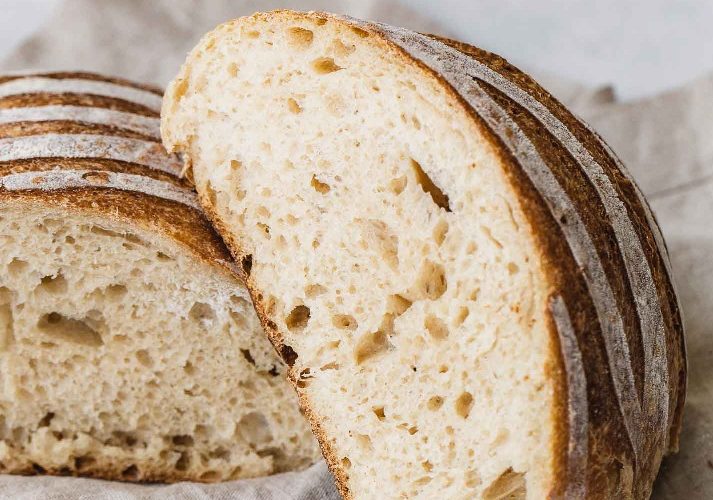
Sourdough Bread Recipe (Classic Artisan Loaf for Beginners)
Few things compare to the aroma of freshly baked sourdough bread. With its crisp crust, chewy crumb, and naturally tangy flavor, sourdough has earned its place as one of the most beloved homemade breads in the world. Even better, sourdough bread is made with simple ingredients and traditional fermentation methods that improve both taste and digestibility.
This sourdough bread recipe is designed for home bakers, including beginners. It uses a natural sourdough starter, requires no commercial yeast, and produces a bakery-style artisan loaf that’s perfect for sandwiches, toast, or enjoying with butter.
What Is Sourdough Bread?
Sourdough bread is a naturally leavened bread made using a fermented mixture of flour and water known as a sourdough starter. Instead of relying on commercial yeast, sourdough uses wild yeast and beneficial bacteria to rise.
This slow fermentation process gives sourdough bread its:
- Distinct tangy flavor
- Chewy, open crumb
- Crisp crust
- Improved shelf life
Sourdough baking dates back thousands of years and remains popular for its simplicity and health benefits.
Why Bake Sourdough Bread at Home?
Homemade sourdough bread offers several advantages over store-bought loaves:
- Fewer ingredients and no preservatives
- Better flavor and texture
- More affordable over time
- Customizable hydration, crust, and fermentation
Once you learn the process, baking sourdough becomes both rewarding and cost-effective.
Ingredients for Classic Sourdough Bread
You only need four basic ingredients to make authentic sourdough bread:
- 500g bread flour or all-purpose flour
- 350g water (room temperature)
- 100g active sourdough starter
- 10g salt
Using a digital kitchen scale is strongly recommended for accuracy.
Understanding Sourdough Starter
A sourdough starter is a live culture of flour and water. When properly fed and active, it should:
- Double in size within 4–6 hours
- Have a bubbly surface
- Smell mildly tangy or yeasty
An active starter is essential for proper rise and flavor development.
Step-by-Step Sourdough Bread Recipe
Step 1: Mix the Dough (Autolyse)
In a large bowl, combine flour and water. Mix until no dry flour remains. Cover and rest for 30–60 minutes. This process hydrates the flour and improves gluten development.
Step 2: Add Starter and Salt
Add the sourdough starter and salt to the dough. Mix thoroughly using your hands or a dough scraper until fully incorporated.
Step 3: Bulk Fermentation
Cover the bowl and let the dough ferment at room temperature for 4–5 hours. During the first 2 hours, perform stretch and folds every 30 minutes (about 4 sets total).
This strengthens the dough and traps gas for a better crumb.
Step 4: Shape the Dough
Turn the dough onto a lightly floured surface. Gently shape into a round or oval loaf. Let rest uncovered for 20 minutes.
Step 5: Final Proof
Place the shaped dough into a floured banneton or bowl lined with a towel. Cover and refrigerate for 8–12 hours for cold fermentation. This step enhances flavor and structure.
Step 6: Bake the Sourdough Bread
Preheat oven to 475°F (245°C) with a Dutch oven inside for 30 minutes.
- Score the dough with a sharp blade
- Transfer into the hot Dutch oven
- Cover and bake for 20 minutes
- Uncover and bake another 20–25 minutes until deep golden brown
Cool completely before slicing.
Sourdough Bread Texture and Flavor
A well-made sourdough loaf should have:
- Crisp, blistered crust
- Soft, chewy crumb
- Mild tang that intensifies over time
Longer fermentation increases sourness, while shorter fermentation produces a milder loaf.
Tips for Perfect Sourdough Bread
- Use an active starter at peak rise
- Don’t rush fermentation
- Use a Dutch oven for steam
- Allow full cooling before slicing
Patience is the key to great sourdough.
Common Sourdough Bread Mistakes
- Baking with inactive starter
- Overproofing or underproofing
- Cutting bread too soon
- Skipping stretch and folds
Learning from each bake improves consistency.
How to Store Sourdough Bread
- Room temperature: 2–3 days in a paper bag
- Refrigerator: Not recommended (dries bread)
- Freezer: Slice and freeze for up to 3 months
Reheat in the oven to restore crust.
Nutrition Information (Per Slice – Approximate)
Based on 12 slices per loaf:
- Calories: 160
- Carbohydrates: 30g
- Protein: 6g
- Fat: 1g
- Fiber: 2g
- Sodium: 190mg
Nutrition values vary by flour type and fermentation length.
Health Benefits of Sourdough Bread
Sourdough bread offers several potential benefits:
- Easier digestion due to fermentation
- Lower glycemic response than regular bread
- Improved mineral absorption
- Naturally preserved without additives
While not gluten-free, many people find sourdough easier to tolerate.
Frequently Asked Questions (FAQs)
Is sourdough bread healthier than regular bread?
Sourdough fermentation improves nutrient availability and digestion, making it a healthier option for many people.
How long does sourdough bread take to make?
From start to finish, sourdough takes about 18–24 hours, including fermentation and proofing.
Why didn’t my sourdough rise?
Possible reasons include weak starter, cold environment, or under-fermentation.
Can I make sourdough without a Dutch oven?
Yes. You can bake on a stone or tray with steam added to the oven, but a Dutch oven gives best results.
Why is my crumb dense?
Dense crumb can result from under-fermentation, low hydration, or insufficient gluten development.
Can I use whole wheat flour?
Yes. Replace up to 30–40% of the flour with whole wheat for better texture.
How do I make sourdough more sour?
Use longer cold fermentation and reduce starter percentage slightly.
Final Thoughts
Sourdough bread baking is both an art and a science. While it takes time and practice, the reward is a beautiful, flavorful loaf made with nothing but flour, water, salt, and natural fermentation.
This classic sourdough bread recipe provides a reliable foundation for home bakers looking to master artisan bread. Once you understand the process, you can experiment with hydration, flour blends, and fermentation to create your perfect loaf.
