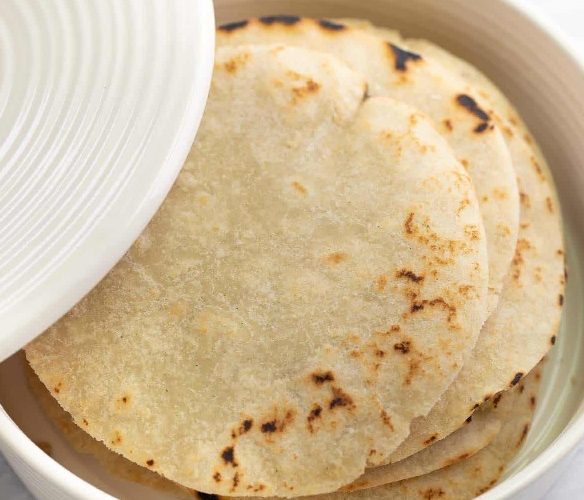
Sourdough Gluten-Free Tortillas: A Modern Twist on a Staple
Tortillas are a cornerstone of many cuisines, especially in Mexican and Latin American dishes. Traditionally made with wheat flour or corn masa, tortillas are used for tacos, burritos, wraps, and more. While versatile and delicious, traditional tortillas are not suitable for individuals with gluten intolerance or celiac disease. With the rise of health-conscious eating and gluten-free diets, modern culinary innovation has allowed the creation of sourdough gluten-free tortillas, which combine the natural flavor complexity of sourdough fermentation with gluten-free flours, providing a delicious, pliable, and nutritious alternative to conventional tortillas.
This essay explores the concept, ingredient selection, preparation techniques, scientific principles, nutritional benefits, challenges, and cultural significance of sourdough gluten-free tortillas. It is intended to provide a comprehensive guide for home cooks, bakers, and culinary enthusiasts seeking a healthy and flavorful wrap option.
The Concept Behind Sourdough Gluten-Free Tortillas
A tortilla is a thin, flatbread that requires flexibility, pliability, and the ability to hold fillings without cracking. Achieving these qualities without gluten is challenging because gluten provides elasticity and structure. The solution lies in combining gluten-free flours with binding agents, fats, and sourdough fermentation:
- Texture and Pliability: Gluten-free flours like almond, rice, or tapioca lack the elastic proteins found in wheat. Sourdough fermentation and the use of binders such as psyllium husk, xanthan gum, or flaxseed gel help create a flexible dough.
- Flavor Development: Sourdough starter contributes subtle acidity and complexity, mimicking the tanginess of traditional fermented breads.
- Digestibility: Fermentation improves the digestibility of nut and seed flours while introducing beneficial microbial activity.
The result is a tortilla that is soft, flexible, slightly tangy, and suitable for a variety of dishes.
The Role of Sourdough in Gluten-Free Tortillas
Sourdough is traditionally associated with bread, but its application in flatbreads and tortillas has gained popularity. The benefits of incorporating sourdough starter into gluten-free tortillas include:
- Flavor Enhancement: The mild tang produced by lactic acid bacteria balances the earthy taste of gluten-free flours.
- Texture Improvement: Fermentation contributes slight leavening and tenderness.
- Digestive Benefits: Fermentation helps break down complex carbohydrates and antinutrients, improving digestibility and nutrient absorption.
- Shelf Life Extension: Acidity from sourdough slows mold growth, allowing tortillas to remain fresh longer.
Even a small proportion of sourdough starter can add noticeable depth to the flavor profile without significantly affecting dough handling.
Key Ingredients and Their Functions
Gluten-Free Flours
- Almond Flour: Provides structure, moisture, and a nutty flavor.
- Tapioca Flour or Starch: Contributes elasticity and chewiness, mimicking gluten.
- Rice Flour: Adds bulk and mild flavor, improving dough pliability.
- Coconut Flour (Optional): Highly absorbent, adds fiber, and can enhance texture in small quantities.
Sourdough Starter
- Adds mild acidity, flavor depth, and slight leavening. Typically, a small portion (1–2 tablespoons per batch) is sufficient.
Psyllium Husk Powder
- Forms a gel when hydrated, providing elasticity and binding properties. Essential for preventing cracking in gluten-free tortillas.
Water or Dairy-Free Milk
- Hydrates flours and activates psyllium gel. Temperature of the liquid can affect fermentation and dough handling.
Olive Oil or Butter
- Adds flexibility, flavor, and moisture. Fats prevent the tortillas from drying out and cracking during rolling and cooking.
Salt
- Enhances flavor and strengthens the dough structure by balancing hydration and fermentation effects.
Optional Additions
- Herbs, garlic powder, or spices can be added for flavored tortillas.
- Seeds such as chia or flax may increase fiber and nutritional content.
Preparing a Gluten-Free Sourdough Starter
To achieve the tangy flavor and texture of sourdough tortillas, a gluten-free starter can be prepared:
- Mix equal parts gluten-free flour (almond or rice flour) and water to form a thick paste.
- Cover loosely and allow it to ferment at room temperature for 24–48 hours.
- Feed daily with additional flour and water until bubbly and mildly sour.
- Use a portion of this starter in tortilla dough for flavor and slight fermentation benefits.
This starter can be maintained indefinitely with regular feeding and provides consistent results for multiple batches of tortillas.
Step-by-Step Tortilla Preparation
Step 1: Mixing the Dough
- Combine gluten-free flours, psyllium husk, and salt in a large mixing bowl.
- Add sourdough starter and liquid (water or milk).
- Incorporate olive oil or melted butter.
- Mix until a cohesive dough forms. The dough should be slightly sticky but manageable.
Step 2: Resting the Dough
- Cover the dough and allow it to rest for 30–60 minutes.
- Resting enables hydration, psyllium gel formation, and flavor development from sourdough.
Step 3: Portioning and Shaping
- Divide the dough into equal portions for uniform tortillas.
- Roll each portion into a ball.
- Place between two sheets of parchment paper and roll out into thin circles, approximately 6–8 inches in diameter.
- Dust lightly with gluten-free flour to prevent sticking.
Step 4: Cooking
- Heat a non-stick skillet or cast-iron pan over medium-high heat.
- Cook tortillas for 1–2 minutes per side until golden brown spots appear.
- Adjust heat to prevent burning while ensuring even cooking.
- Stack cooked tortillas and cover with a clean kitchen towel to retain moisture and flexibility.
Step 5: Serving
- Serve immediately with fillings of choice: grilled meats, vegetables, beans, cheese, or avocado.
- Tortillas can also be stored in the refrigerator for several days or frozen for later use.
Scientific Principles Behind Gluten-Free Sourdough Tortillas
Gel Formation
- Psyllium husk absorbs water, forming a gel that mimics gluten’s elasticity. This allows rolling and cooking without cracking.
Protein Coagulation
- Eggs (if used) and fats coagulate during cooking, stabilizing the tortilla structure.
Moisture Management
- The balance of liquid to flour is critical. Too little liquid causes cracking, while too much makes the dough sticky and difficult to handle.
Fermentation
- Sourdough acids enhance flavor and tenderness while improving the dough’s digestibility and shelf life.
Maillard Reaction
- Browning occurs when the tortillas cook on a hot surface, enhancing flavor and creating characteristic golden spots.
Nutritional Benefits
Sourdough gluten-free tortillas offer several advantages compared to traditional wheat tortillas:
- Gluten-Free: Safe for individuals with celiac disease or gluten sensitivity.
- Low Glycemic Impact: Sourdough fermentation and low-carb flours help regulate blood sugar.
- High Fiber: Psyllium husk, coconut flour, and chia seeds increase fiber content.
- Healthy Fats: Almond flour and olive oil provide monounsaturated fats.
- Protein: Nuts, seeds, and psyllium contribute moderate protein.
These tortillas are ideal for health-conscious diets, including gluten-free, low-carb, and ketogenic plans.
Common Challenges and Solutions
Cracking Tortillas
- Cause: Dough too dry or rolled too thin.
- Solution: Adjust hydration and ensure adequate rest for psyllium gel formation.
Stickiness
- Cause: Excess moisture or insufficient rolling surface preparation.
- Solution: Use parchment paper, lightly dust with flour, and avoid overhydration.
Uneven Cooking
- Cause: Skillet too hot or tortillas too thick.
- Solution: Maintain medium heat and ensure uniform thickness.
Poor Flavor
- Cause: Minimal fermentation or bland flours.
- Solution: Use active gluten-free sourdough starter and optional herbs or spices.
Serving Suggestions
- Fill with grilled chicken, vegetables, and cheese for a healthy wrap.
- Use for breakfast burritos with scrambled eggs and avocado.
- Pair with dips such as guacamole, salsa, or hummus.
- Roll and freeze for convenient, quick meal preparation.
Cultural and Lifestyle Significance
Tortillas are a staple of Latin American cuisine, traditionally made with corn or wheat flour. Sourdough gluten-free tortillas demonstrate how culinary innovation can adapt traditional foods to modern dietary needs, including gluten-free, low-carb, and ketogenic lifestyles. This adaptation preserves the cultural significance of tortillas while making them accessible to a broader audience.
Advantages of Sourdough Gluten-Free Tortillas
- Health-Conscious: Low-carb and gluten-free, with high fiber and healthy fats.
- Flavorful: Sourdough starter adds complexity and subtle tang.
- Flexible: Suitable for a variety of fillings and dishes.
- Pliable and Versatile: Dough elasticity allows rolling and folding without cracking.
- Customizable: Can be flavored with herbs, spices, or seeds.
Conclusion
Sourdough gluten-free tortillas represent the perfect marriage of tradition and modern dietary innovation. By combining gluten-free flours, psyllium husk, fats, and sourdough starter, these tortillas achieve the flexibility, pliability, and flavor of traditional wheat or corn tortillas while remaining suitable for gluten-free and health-conscious diets.
Careful attention to hydration, resting, rolling, and cooking ensures a tortilla that is soft, flexible, and lightly golden, ready to be filled with a variety of savory or sweet ingredients. The addition of sourdough enhances flavor, texture, and digestibility, elevating a simple staple into a gourmet, health-conscious option.
Sourdough gluten-free tortillas allow home cooks and culinary enthusiasts to enjoy traditional Mexican and Latin American dishes without compromise, demonstrating that dietary restrictions and culinary indulgence can coexist. They are versatile, nutritious, and flavorful, making them an essential addition to modern kitchens focused on both health and taste.
