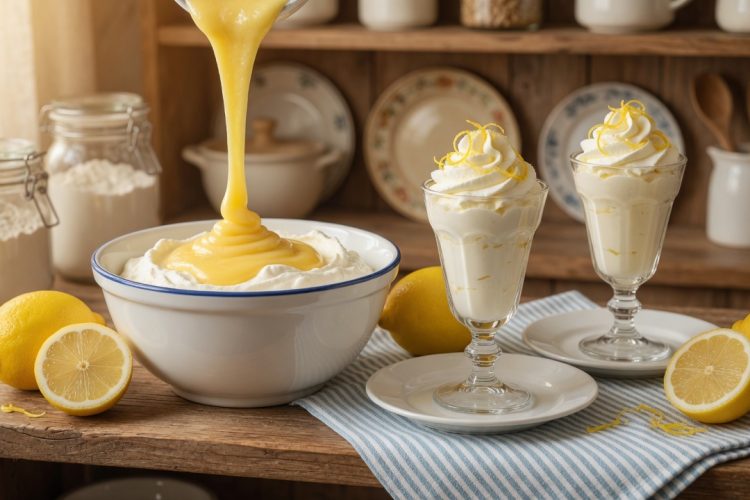
When you’re following a keto diet and looking for a dessert that feels special without breaking your carb budget, this lemon cloud mousse delivers exactly what you need. The recipe combines homemade lemon curd with whipped egg whites and heavy cream to create an incredibly light, airy dessert that tastes luxurious while keeping carbohydrates to a minimum. Unlike dense keto desserts that rely heavily on cream cheese or nut flours, this mousse has a delicate texture that literally melts in your mouth. The bright lemon flavor cuts through the richness and makes each bite feel refreshing rather than heavy, which is perfect after a filling meal or on a warm afternoon.
Understanding What Makes This Mousse Special
Traditional mousse recipes typically contain sugar and sometimes flour or cornstarch, which makes them unsuitable for low-carb eating. This keto version replaces regular sugar with a low-carb sweetener throughout all the components—the lemon curd, the whipped egg whites, and the whipped cream. The result is a dessert that tastes sweet and satisfying without the blood sugar spike or carb count of conventional mousse. The three-part structure of lemon curd, beaten egg whites, and whipped cream creates layers of texture and flavor that make this dessert feel complex and sophisticated. Each component contributes something different: the curd provides intense lemon flavor, the egg whites add lightness, and the cream brings richness.
Choosing the Right Sweetener
The success of this recipe depends heavily on using a quality low-carb sweetener that measures like sugar and doesn’t have an aftertaste. Erythritol-based sweeteners like Swerve or Lakanto work particularly well because they dissolve easily and don’t leave a cooling sensation that some other sugar alcohols create. Monk fruit sweeteners also perform nicely, especially blends that include erythritol for better dissolving properties. Avoid using stevia alone because its intense sweetness means you can’t use it in a one-to-one ratio, which would throw off the texture. Whatever sweetener you choose, powdering it in a blender or food processor before using creates a smoother final product with no grittiness.
Making Perfect Lemon Curd
Creating lemon curd from scratch might sound intimidating, but it’s actually quite simple when you understand the basic technique. The combination of eggs, egg yolks, sweetener, lemon juice, and zest gets whisked together in a bowl set over simmering water, which gently heats the mixture without scrambling the eggs. Constant whisking is essential because it keeps the eggs moving and prevents them from cooking too quickly in one spot. The curd is ready when it thickens enough to coat the back of a spoon, which usually takes ten to fifteen minutes. Patience during this step pays off because proper thickness ensures the mousse will set correctly later.
Why Temperature Matters
Cooking the lemon curd over a water bath rather than direct heat gives you much more control over the temperature. Eggs start to scramble at around 160 degrees Fahrenheit, but they thicken into a smooth custard when heated gently to about 170 degrees. The water bath keeps the temperature below the scrambling point while still getting hot enough to thicken the mixture. If you try to cook lemon curd directly on the stovetop over medium or high heat, you’ll almost certainly end up with scrambled eggs floating in lemon juice. The few extra minutes it takes to set up the water bath are worth it for guaranteed smooth results.
Zesting Lemons Properly
The lemon zest in this recipe provides concentrated citrus flavor and beautiful yellow flecks throughout the mousse. When zesting lemons, use only the bright yellow outer layer of the peel and avoid the white pith underneath, which tastes bitter. A microplane grater works best for creating fine zest that distributes evenly throughout the curd. Zest the lemons before you juice them because whole lemons are much easier to handle than halved, squeezed ones. Two medium lemons typically provide enough zest and juice for this recipe, though you might need a third lemon depending on how juicy yours are.
Separating Eggs Without Waste
This recipe requires you to separate eggs, using whole eggs plus additional yolks for the curd and saving the extra whites for whipping. The easiest method involves cracking each egg over a small bowl and using your clean hands or the shell halves to separate the yolk from the white. Work carefully because even a small amount of yolk in the whites will prevent them from whipping properly later. If a yolk breaks and gets into the whites, save those whites for scrambled eggs or omelets and start fresh. The egg yolks make the lemon curd rich and creamy, while the whites provide the signature cloud-like texture in the finished mousse.
Chilling the Lemon Curd Completely
After cooking the lemon curd, pressing plastic wrap directly onto the surface before chilling serves an important purpose. This direct contact prevents a skin from forming on top as the curd cools, which would create an unpleasant texture in the finished mousse. The curd needs to chill completely before you fold in the whipped egg whites and cream because warm curd would deflate the whipped components and prevent the mousse from setting properly. Rushing this chilling step by trying to speed things up in the freezer can create ice crystals that ruin the smooth texture, so just plan ahead and let it chill in the refrigerator for the full one to two hours.
Whipping Egg Whites to Stiff Peaks
The whipped egg whites give this mousse its characteristic light, airy texture that makes it feel like eating a cloud. Starting with a completely clean, dry bowl is essential because any grease or moisture prevents the whites from whipping properly. The whites go through several stages as you beat them: first they become foamy, then they form soft peaks that droop over when you lift the beaters, and finally they reach stiff peaks that stand straight up. Stop beating when you reach the stiff peak stage because over-beaten whites become grainy and dry, which makes them harder to fold into the other ingredients smoothly.
Understanding the Folding Technique
Folding is a gentle mixing method that combines ingredients of different densities without deflating the lighter component. To fold the whipped egg whites into the lemon curd, add about a third of the whites first and use a rubber spatula to cut down through the center, sweep across the bottom, and bring the spatula up the side. Rotate the bowl a quarter turn and repeat until that portion is mostly incorporated. This initial folding lightens the dense curd and makes it easier to incorporate the remaining whites without deflating them. Add the rest of the whites and continue folding gently until no white streaks remain, but avoid overmixing which would knock out the air.
Whipping Cream for Perfect Texture
The final component of this mousse is sweetened whipped cream, which adds richness and helps create the final texture. Heavy whipping cream with at least 35% fat content whips better than lighter versions because the higher fat content allows it to hold more air. Starting with cold cream and a cold bowl helps it whip faster and more stably. Beat the cream with vanilla extract and sweetener until stiff peaks form, which means the cream holds its shape and doesn’t droop when you lift the beaters. Under-whipped cream won’t provide enough structure and the mousse will be too soft, while over-whipped cream becomes grainy and eventually turns into butter.
Combining All Components
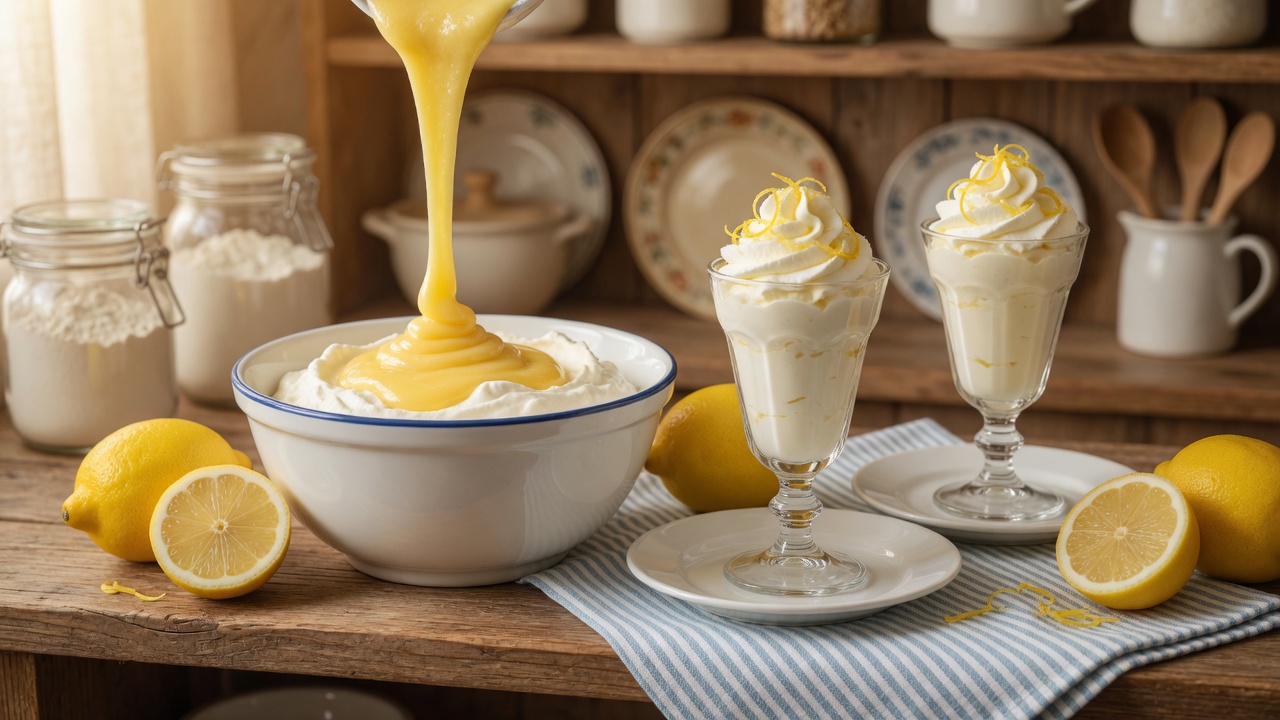
Once you have chilled lemon curd with whipped egg whites folded in and separately whipped cream, the final step is combining these two mixtures. Again, use the gentle folding technique to preserve all the air you’ve incorporated. Add about a third of the whipped cream to the lemon mixture and fold until mostly combined, then add the remaining cream and fold until the mixture is uniform in color with no streaks. The finished mousse should look pale yellow and feel incredibly light when you spoon it into serving dishes. Working quickly during this final assembly ensures none of the components start to deflate before you get everything combined.
Portioning into Serving Dishes
Dividing the mousse among individual serving glasses or bowls makes serving easier and creates an elegant presentation. Small wine glasses, dessert cups, or ramekins all work well. Using a large spoon or ice cream scoop, portion the mousse evenly among six containers. You can pipe the mousse through a pastry bag if you want a more decorative look, but spooning works perfectly fine and is much simpler. Leave a little space at the top of each container if you plan to add garnishes later. The individual servings make it easy to grab one from the refrigerator whenever you want a quick keto dessert without having to portion from a larger dish.
Setting Time for Best Results
While you could eat this mousse immediately after making it, chilling for at least two hours allows all the flavors to meld together and the texture to firm up to the perfect consistency. During this time, the mousse sets enough to hold its shape when you spoon into it but still maintains that light, creamy mouthfeel. Many people actually prefer making this dessert a day ahead because overnight chilling produces an even better texture and allows the lemon flavor to become more pronounced. The mousse will keep well in the refrigerator for up to three days, though it tastes best within the first two days while the texture is at its peak.
Garnishing for Presentation
Simple garnishes can transform this already elegant dessert into something that looks like it came from a restaurant. A small dollop of additional whipped cream on top adds visual appeal and extra richness. A twist of lemon peel or a few strands of lemon zest scattered on top reinforces the citrus flavor and adds a pop of bright yellow color. Fresh berries like raspberries or blueberries provide color contrast and a burst of fresh fruit flavor that complements the lemon beautifully. A light dusting of powdered erythritol sweetener creates a snowy appearance. Keep garnishes simple so the mousse itself remains the star.
Adjusting Sweetness to Your Taste
Everyone has different preferences for how sweet they like their desserts, and this recipe is easy to adjust. If you prefer a sweeter mousse, add an extra tablespoon of sweetener to the lemon curd or increase the sweetener in the whipped cream slightly. For a more tart version that emphasizes the lemon flavor, reduce the sweetener by a tablespoon or two. Remember that chilling tends to dull sweetness slightly, so the mousse will taste a bit less sweet after it’s been refrigerated than it does when you first make it. You can always taste a small spoonful before portioning and adjust if needed.
Making Ahead for Entertaining
This mousse is perfect for dinner parties and special occasions because you can make it completely ahead of time. Prepare the entire recipe the day before your event and keep the individual servings covered in the refrigerator. This advance preparation means you have one less thing to worry about on the day of your party, and the mousse actually improves with a longer chill time. If you’re making it for a special occasion, garnish the servings about an hour before serving so any additions like whipped cream or berries look fresh. This dessert also travels well to potlucks or gatherings if you keep it cold.
Understanding the Nutritional Benefits
Beyond being delicious, this mousse fits perfectly into a ketogenic eating plan. Each serving contains only about two grams of net carbohydrates, which is low enough to fit into even strict keto macros. The eggs provide high-quality protein along with important nutrients like vitamin D, B vitamins, and choline. The heavy cream contributes healthy fats that help you feel satisfied and stay in ketosis. Fresh lemon juice adds vitamin C and beneficial plant compounds. The dessert is naturally gluten-free and grain-free, which makes it suitable for people with celiac disease or gluten sensitivity in addition to those following keto.
Troubleshooting Common Issues
Sometimes mousse doesn’t turn out quite right, but understanding what went wrong helps you fix it next time. If your lemon curd scrambled instead of staying smooth, the heat was too high or you didn’t whisk constantly enough. If the egg whites won’t whip, your bowl or beaters had grease on them or some yolk got into the whites. If the mousse is too runny, you probably under-whipped the cream or egg whites, or didn’t let the lemon curd chill completely before combining everything. If it tastes too eggy, the curd wasn’t cooked long enough. Most problems can be avoided by following the recipe carefully and taking your time with each step.
Serving Suggestions
This lemon mousse pairs beautifully with several accompaniments that enhance the experience without adding many carbs. Sugar-free shortbread cookies provide a crunchy element that contrasts with the smooth mousse. A few fresh raspberries or blackberries on the side add tartness and visual appeal. A cup of hot tea or coffee makes a perfect beverage pairing, especially Earl Grey tea which complements citrus flavors nicely. For a more substantial dessert, serve the mousse alongside keto pound cake or almond flour cookies. The mousse itself is quite rich, so a little goes a long way and most people find a single serving completely satisfying.
Keto Lemon Cloud Mousse
Light and airy low-carb mousse made with homemade lemon curd, whipped egg whites, and vanilla whipped cream for a refreshing sugar-free dessert.
6
servings10
minutes15
minutes210
kcal3
hours2
g3
hours25
minutesIngredients
- Lemon Curd:
3 large eggs
3 large egg yolks
½ cup low-carb sweetener
2 teaspoons fresh lemon zest
½ cup freshly squeezed lemon juice
Pinch of salt
- Whipped Egg Whites:
Reserved egg whites from separated eggs
1 tablespoon low-carb sweetener
⅛ teaspoon salt
- Vanilla Whipped Cream:
1 cup heavy whipping cream (35% fat)
½ teaspoon vanilla extract
1 tablespoon low-carb sweetener
Directions
- Make lemon curd: Whisk together whole eggs, egg yolks, sweetener, lemon zest, lemon juice, and salt in a heatproof bowl. Place bowl over saucepan of gently simmering water (bowl should not touch water). Whisk constantly for 10-15 minutes until mixture thickens and coats the back of a spoon.
- Chill curd: Remove from heat and let cool slightly. Press plastic wrap directly onto surface of curd and refrigerate 1-2 hours until completely chilled.
- Whip egg whites: Place reserved egg whites in clean bowl with sweetener and salt. Beat with electric mixer on high speed until glossy stiff peaks form. Carefully fold whipped whites into chilled lemon curd.
- Whip cream: Combine heavy cream, vanilla, and sweetener in another bowl. Beat until stiff peaks form. Gently fold whipped cream into lemon mixture until no streaks remain.
- Chill and serve: Divide mousse evenly among 6 serving glasses. Cover and refrigerate at least 2 hours before serving. Serve cold.
Notes
- Use freshly squeezed lemon juice for brightest flavor
- Store covered in refrigerator for up to 3 days
- Garnish with additional whipped cream, lemon zest, or fresh berries before serving
Nutrition Facts
- Calories: 210kcal
- Fat: 21g
- Carbohydrates: 2g
- Fiber: 0g
- Sugar: 1g
- Protein: 6g


