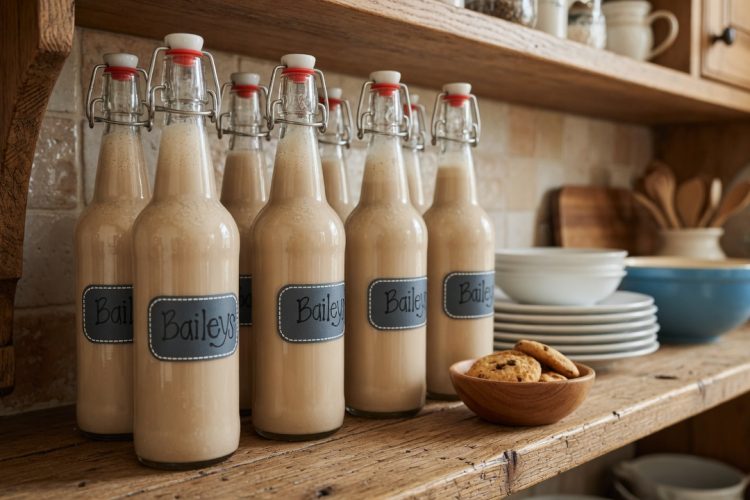
When you want a rich, smooth drink that rivals anything you can buy at the store, making homemade Irish cream liqueur gives you exactly that while letting you control every ingredient. This recipe combines Irish whiskey with heavy cream, sweetened condensed milk, chocolate syrup, vanilla, and coffee to create a luxurious drink that takes only five minutes to prepare. Unlike commercial versions that often contain stabilizers, thickeners, and preservatives, your homemade batch uses pure, simple ingredients that you can pronounce and probably already have in your pantry. The result tastes fresher and more authentic than bottled versions while costing significantly less per serving.
Why Homemade Beats Store-Bought
Understanding the advantages of making your own Irish cream helps you appreciate why this recipe is worth trying. Store-bought cream liqueurs work fine, but they often contain ingredients you might not want, like high fructose corn syrup, artificial flavors, or chemical stabilizers that extend shelf life. When you make it yourself, you choose exactly what goes into your bottle. You can use premium Irish whiskey, real vanilla extract, and fresh heavy cream. You control the sweetness level, the intensity of the chocolate and coffee flavors, and even the alcohol content. Making it at home also costs roughly half as much as buying a comparable bottle, which adds up if you enjoy it regularly or give it as gifts.
Choosing Quality Ingredients
The final taste of your Irish cream depends heavily on the quality of ingredients you start with, so selecting good options makes a real difference. Irish whiskey forms the base of this drink, and while you don’t need the most expensive bottle, choosing a smooth, quality brand creates better results. Jameson, Tullamore Dew, or Bushmills all work wonderfully. Heavy cream with higher fat content creates a richer, silkier texture than light cream or half-and-half, though you can use those for a lighter version. Pure vanilla extract tastes significantly better than imitation vanilla, which can have a chemical aftertaste. Fresh instant coffee or espresso powder provides concentrated coffee flavor without watering down the mixture like brewed coffee would.
Understanding the Role of Each Ingredient
Every component in this recipe serves a specific purpose that contributes to the final product. The Irish whiskey provides the alcohol base and distinctive smooth whiskey flavor that defines Irish cream. Heavy cream creates the rich, velvety texture and adds luxurious mouthfeel. Sweetened condensed milk does double duty by providing sweetness and helping emulsify the mixture so the cream and alcohol blend smoothly instead of separating. Chocolate syrup adds depth and a subtle chocolate flavor that rounds out the taste. Vanilla extract enhances all the other flavors and adds warmth. Instant coffee granules contribute coffee notes without making the drink taste strongly of coffee. The optional almond extract adds complexity, and the pinch of salt balances sweetness while making all the flavors pop.
Blending for Smooth Consistency
The blending step is where all your ingredients transform into smooth, creamy liqueur, and doing it correctly ensures the best texture. Adding ingredients to the blender in the right order helps them combine more efficiently—starting with the liquid whiskey, then adding the cream and condensed milk, followed by the flavorings. Blending on medium-high speed for 45 to 60 seconds fully incorporates everything and creates a smooth, uniform mixture. You want to blend long enough to eliminate any lumps or separation, but not so long that you over-whip the cream, which can make the texture slightly grainy. The finished mixture should look creamy and uniform in color with no streaks or separation visible.
Adjusting Flavors to Your Preference
One of the best aspects of making homemade Irish cream is the ability to customize it exactly to your taste. After blending, taste a small spoonful and consider what you might want to adjust. If you prefer more chocolate flavor, add another tablespoon of chocolate syrup. For stronger coffee notes, add another half teaspoon of instant coffee. If you like sweeter drinks, add a bit more condensed milk or chocolate syrup. If you want a boozier version with more whiskey kick, add another couple tablespoons of whiskey. Make small adjustments and blend briefly after each one until you achieve your ideal balance of flavors.
Bottling and Storing Properly
How you store your homemade Irish cream affects both its shelf life and quality over time. Glass bottles work much better than plastic because glass doesn’t absorb flavors or odors and keeps the liqueur tasting fresh longer. Sterilize your bottles by running them through the dishwasher or rinsing them with boiling water before filling. Use a funnel to pour the liqueur into bottles without spilling, which can be messy given the thick, creamy consistency. Seal bottles tightly with caps or corks to prevent air from getting in and causing the cream to spoil faster. Store in the coldest part of your refrigerator, usually the back of a middle shelf, where temperature stays most consistent.
Understanding Shelf Life
Knowing how long homemade Irish cream lasts helps you plan when to make it and use it safely. Because this recipe contains fresh dairy, it won’t last as long as commercial versions that contain preservatives. Properly stored in the refrigerator, homemade Irish cream typically stays good for about two months. The alcohol acts as a preservative to some extent, but the cream will eventually spoil. Always shake the bottle before using because natural separation occurs during storage—the cream tends to rise to the top while the heavier liquids settle below. Check the smell and appearance before using older bottles, and if it smells sour, looks curdled, or tastes off, throw it out and make a fresh batch.
Chilling for Best Flavor
While you can technically drink Irish cream immediately after making it, chilling it for at least two hours significantly improves both the flavor and texture. Cold temperatures allow all the flavors to meld together and develop, creating a smoother, more cohesive taste. The chocolate, vanilla, coffee, and whiskey notes blend better when given time to marry. Chilling also thickens the mixture slightly, creating an even creamier mouthfeel. Many people find that Irish cream tastes even better after sitting overnight or for a full day, so making it a day ahead of when you plan to serve it is ideal. The cold temperature also makes it more refreshing to drink over ice or added to coffee.
Serving Irish Cream Different Ways
This versatile liqueur works beautifully in many different drinking contexts beyond just sipping it straight. Pouring it over ice in a rocks glass creates a simple, satisfying drink perfect for after dinner. Adding a generous splash to hot coffee transforms regular coffee into an indulgent treat reminiscent of coffeehouse drinks. Stirring it into iced coffee creates a refreshing cold beverage perfect for warm afternoons. Mixing it with hot chocolate makes an extra-decadent version of that comfort drink. Drizzling it over vanilla ice cream creates an instant boozy dessert. Shaking it with ice and vodka makes a creamy cocktail. Each serving method highlights different aspects of the liqueur’s complex flavor.
Creating Flavor Variations
Once you’ve made the basic recipe, experimenting with variations keeps things interesting and creates different options for various occasions. For a mocha version, add an extra tablespoon of cocoa powder and increase the instant coffee to create a stronger chocolate-coffee combination. A caramel variation involves swirling in two to three tablespoons of caramel sauce, which creates sweet, buttery notes. Hazelnut Irish cream comes from adding hazelnut extract instead of or in addition to almond extract, perfect for people who love Nutella flavors. A mint chocolate version uses a quarter teaspoon of peppermint extract, creating a drink that tastes like liquid Girl Scout cookies. Seasonal variations like pumpkin spice work wonderfully during fall months.
Using Irish Cream in Baking
Beyond drinking, Irish cream works wonderfully as an ingredient in various baked goods and desserts. Adding a quarter cup to chocolate cake batter creates incredibly moist cake with subtle Irish cream flavor. Mixing it into brownie batter produces fudgy, boozy brownies perfect for adult gatherings. Incorporating it into cheesecake filling creates Irish cream cheesecake that tastes amazing. Stirring it into buttercream frosting adds both flavor and extra creaminess. Using it in tiramisu instead of plain coffee and liqueur creates a twist on the classic Italian dessert. Adding a splash to bread pudding sauce makes the dessert more decadent. Each baking application adds depth and complexity to familiar treats.
Making Irish Cream as Gifts
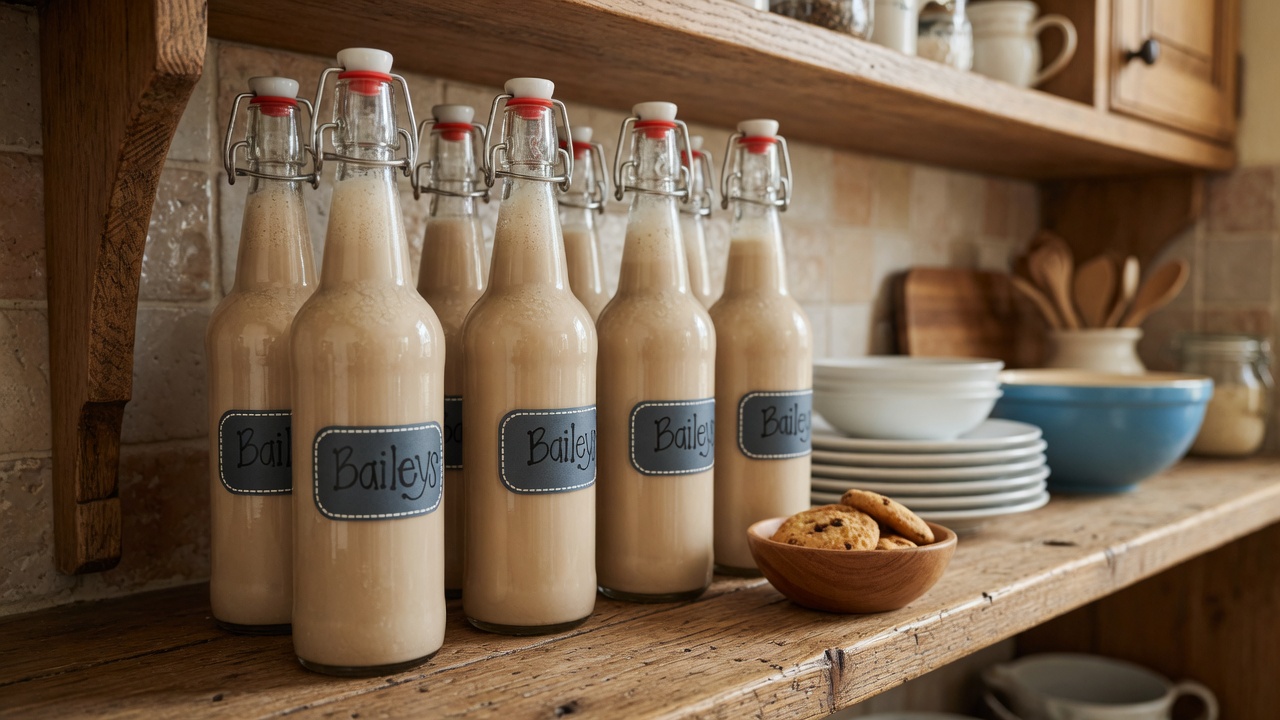
Homemade Irish cream makes an impressive gift that people genuinely appreciate receiving, especially during holidays. The fact that you made it yourself shows thoughtfulness and effort that store-bought gifts can’t match. Pour the liqueur into attractive glass bottles—swing-top bottles or decorative liquor bottles work beautifully. Create custom labels using printable sticker paper or kraft paper tags tied with twine. Include a gift tag with serving suggestions and the date you made it so recipients know when to use it by. Package bottles in gift boxes or baskets with a couple of pretty glasses and maybe some chocolate truffles for a complete gift set. Making several batches at once allows you to create multiple gifts efficiently.
Pairing with Food
Irish cream pairs wonderfully with certain foods that complement its rich, sweet, creamy character. Chocolate desserts like brownies, chocolate cake, or chocolate mousse create natural partnerships since the liqueur already contains chocolate notes. Coffee-flavored desserts like tiramisu or coffee ice cream echo the coffee element in the Irish cream. Cheesecake provides a creamy base that works well with the liqueur’s richness. Fresh strawberries or raspberries offer tartness that cuts through the sweetness. Shortbread cookies or biscotti provide a crunchy element for dipping. Sharp cheddar cheese creates an interesting sweet-savory combination. Each pairing highlights different aspects of the liqueur’s complex flavor profile.
Understanding Alcohol Content
Knowing the approximate alcohol content of your homemade Irish cream helps you serve it responsibly. With one cup of whiskey (typically 40% alcohol) mixed with about two cups of non-alcoholic ingredients, the finished liqueur contains roughly 13-15% alcohol by volume, similar to wine. This is lower than drinking whiskey straight but higher than beer, so it should be consumed in moderation. The creamy, sweet flavor can mask the alcohol, making it easier to drink more than intended, so be mindful of portion sizes. Standard servings are typically two to three ounces. The alcohol acts as a preservative in the mixture, which is why homemade Irish cream lasts longer than plain cream would in the refrigerator.
Making Dairy-Free Versions
For people who avoid dairy but still want to enjoy Irish cream, creating dairy-free versions is possible with some substitutions. Replace the heavy cream with full-fat coconut cream, which provides similar richness and creates a nice emulsion with the other ingredients. Use dairy-free sweetened condensed milk made from coconut or oat milk instead of regular condensed milk. The chocolate syrup and other flavorings remain the same. The texture won’t be exactly identical to the dairy version, but it creates a delicious alternative that vegans and lactose-intolerant people can enjoy. The coconut cream version has a subtle coconut flavor that actually complements the other ingredients nicely.
Troubleshooting Common Problems
Sometimes homemade Irish cream doesn’t turn out quite right, but understanding what went wrong helps you fix it. If the mixture separates or looks curdled after blending, the cream may have been too warm or the blending wasn’t thorough enough—try blending longer and make sure all ingredients are cold. If it tastes too boozy, reduce the whiskey slightly next time or add a bit more cream and condensed milk to balance it. If it’s too thick, thin it with a tablespoon or two of regular milk. If it’s too thin, add more condensed milk to thicken it. If it tastes too sweet, add a pinch more salt and reduce the chocolate syrup in your next batch.
Calculating Cost Savings
Making Irish cream at home costs significantly less than buying comparable bottles, which makes it especially economical if you enjoy it regularly. A quality bottle of Irish cream typically costs fifteen to twenty-five dollars for 750ml. Making this recipe costs roughly eight to twelve dollars depending on ingredient prices in your area, and it yields about a liter. That represents savings of fifty percent or more, and you get a larger quantity of fresher product. If you make it as gifts for multiple people, the savings become even more significant. Buying ingredients in bulk when on sale reduces costs further. The economic advantage combined with superior quality makes homemade Irish cream a smart choice.
Creating a Signature Recipe
After making the basic recipe a few times, developing your own signature version with unique tweaks makes it truly your own. Maybe you prefer it less sweet with reduced condensed milk. Perhaps you love extra coffee flavor and always add more instant espresso. You might discover that a splash of maple syrup creates a flavor you prefer to chocolate syrup. Adding a tiny pinch of cinnamon might become your signature touch. Experimenting with different whiskey brands helps you find your favorite. Developing your perfect version through small adjustments over multiple batches creates a recipe you’ll want to make again and again, and one that friends and family will request specifically.
Keto Homemade Irish Cream Liqueur Recipe
Smooth and creamy homemade Irish cream made with whiskey, heavy cream, sweetened condensed milk, chocolate, vanilla, and coffee that’s ready in 5 minutes.
1
liter5
minutes2
hours2
hours5
minutesIngredients
1 cup (240ml) Irish whiskey
1 cup (240ml) heavy cream or half-and-half
1 can (14 ounces/397g) sweetened condensed milk
2 tablespoons chocolate syrup
1 teaspoon pure vanilla extract
1 teaspoon instant coffee granules
½ teaspoon almond extract (optional but recommended)
Pinch of fine sea salt
Directions
- Add ingredients: Pour Irish whiskey into blender. Add heavy cream, sweetened condensed milk, chocolate syrup, vanilla extract, instant coffee granules, almond extract, and salt.
- Blend: Blend on medium-high speed for 45-60 seconds until completely smooth and creamy. Avoid over-blending.
- Adjust flavor: Taste and add more chocolate syrup, vanilla, coffee, or whiskey if desired. Blend briefly to incorporate any additions.
- Bottle: Pour finished Irish cream into sterilized glass bottles or airtight jars using a funnel. Seal tightly.
- Chill and serve: Refrigerate for at least 2 hours before serving. Shake bottle well before each use. Serve over ice, in coffee, or as desired.
Notes
- Heavy cream creates richer texture than half-and-half
- Chill overnight for even smoother flavor
- Makes excellent homemade gifts when bottled in decorative containers


