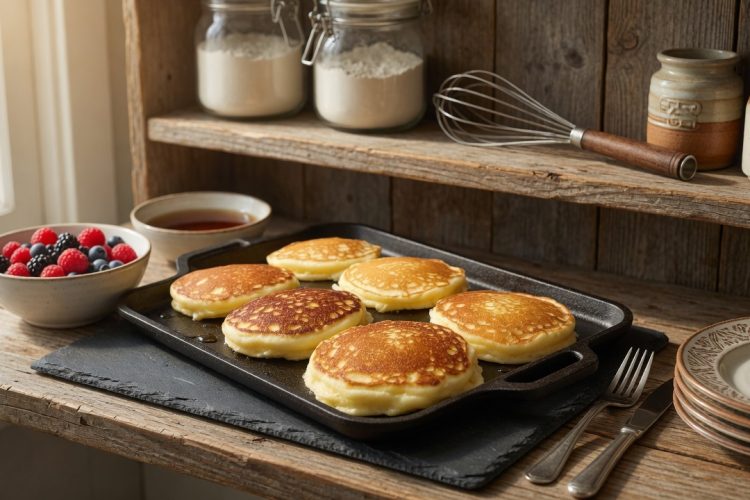
Starting your morning with pancakes doesn’t have to mean derailing your healthy eating goals. Traditional pancakes pack between 25 and 35 grams of carbohydrates per serving, which creates problems for anyone watching their carb intake. This low carb pancake recipe changes everything by using almond flour instead of wheat flour, creating fluffy pancakes that contain only 3 grams of net carbs per serving. The recipe takes just 15 minutes from start to finish and works perfectly for keto diets, gluten-free eating, and general low carb lifestyles. You get the comfort and satisfaction of classic pancakes without the blood sugar spike or carb overload.
What Makes This Recipe Different
Most low carb pancakes turn out dry, crumbly, or taste like cardboard. This recipe solves those problems by including cream cheese in the batter, which creates moisture and richness that keeps pancakes tender. The combination of eggs and almond flour provides structure while staying grain-free and low in carbohydrates. Unlike complicated recipes that require specialty ingredients or difficult techniques, this one uses everyday items you probably already have in your kitchen. The batter mixes together in one bowl using just a whisk, making cleanup quick and easy. These pancakes actually taste like real pancakes, not like you’re eating a compromise.
Ingredients You Need for Low Carb Pancakes
Every ingredient in this recipe serves a specific purpose. Almond flour creates the base and adds healthy fats while keeping carbs minimal. Eggs provide protein and help bind everything together. Cream cheese adds moisture and creates a tender texture that prevents dryness. Baking powder makes the pancakes rise and become fluffy. Vanilla extract brings warmth and enhances overall flavor. A pinch of salt balances sweetness and makes other flavors more pronounced. Unsweetened almond milk thins the batter to the right consistency. You’ll also need butter or coconut oil for cooking, which prevents sticking and adds golden color to the outside of each pancake.
The Right Way to Mix Pancake Batter
Getting the texture right starts with proper mixing technique. Begin by whisking together the wet ingredients first, which means eggs, softened cream cheese, almond milk, and vanilla extract go into your bowl. Beat everything until smooth and creamy, though a few tiny bits of cream cheese won’t hurt anything since they’ll melt during cooking. Once your wet ingredients look uniform, add the almond flour, baking powder, and salt directly to the same bowl. Stir gently until just combined, being careful not to overmix. Overmixing creates tough pancakes, so stop stirring as soon as you no longer see dry flour. Let the finished batter rest for two to three minutes, which allows the almond flour to absorb liquid and thickens everything to the perfect consistency.
Cooking Temperature Matters More Than You Think
The biggest mistake people make when cooking these pancakes involves using too much heat. Almond flour browns much faster than regular flour, so high heat will burn the outside before the inside cooks through. Set your burner to medium-low and give your pan time to heat up gradually. Add just a small amount of butter or coconut oil, then wait until the pan feels warm but not smoking hot. When you add your batter, it should gently sizzle rather than immediately bubble and spit. This lower temperature gives the inside of each pancake time to cook completely while the outside develops a beautiful golden color. Patience during cooking makes the difference between perfect pancakes and burned disappointing ones.
How to Know When to Flip Your Pancakes
Timing your flip correctly prevents broken pancakes and ensures even cooking. After you pour batter into the pan, watch for small bubbles to form on the surface, similar to regular pancakes. The edges should start looking dry and set rather than wet and shiny. This process takes about two to three minutes on medium-low heat. Gently slide your spatula under one edge to check the bottom color, looking for golden brown rather than pale or burnt. Once the bottom looks golden and the edges appear firm, carefully flip each pancake. The second side cooks faster, usually taking just one to two minutes. Resist the urge to press down on pancakes while they cook, which squeezes out air and makes them dense instead of fluffy.
Best Toppings for Low Carb Pancakes
The right toppings enhance your pancakes without adding unwanted carbohydrates. Sugar-free maple syrup provides classic pancake flavor with zero sugar and minimal carbs. Fresh berries like raspberries and blackberries add natural sweetness plus fiber and antioxidants. Blueberries work too, but use them sparingly since they contain more sugar than other berries. Butter adds richness and healthy fats that help keep you satisfied. Nut butters like almond butter or peanut butter provide protein and create a filling meal. Whipped heavy cream tastes indulgent while staying keto-friendly. Chopped pecans or walnuts add crunch and omega-3 fatty acids. A light dusting of cinnamon brings warmth without any carbs at all.
Adding Different Flavors to Your Pancakes
Simple additions transform basic pancakes into exciting variations. For cinnamon pancakes, stir one teaspoon of ground cinnamon into your dry ingredients before mixing. Chocolate lovers can add one tablespoon of unsweetened cocoa powder to create rich chocolate pancakes. Fresh lemon zest brings bright, citrusy flavor that pairs beautifully with berries. Pumpkin spice pancakes happen when you mix in one tablespoon of pumpkin puree and half a teaspoon of pumpkin pie spice. Blueberry pancakes require gently folding a small handful of fresh blueberries into finished batter. Coconut pancakes get two tablespoons of unsweetened shredded coconut mixed throughout. Each variation keeps the same low carb count while offering completely different taste experiences, preventing breakfast boredom.
Making Pancakes Ahead for Busy Mornings
Meal prep turns this recipe into an even more convenient breakfast solution. Cook a full batch when you have time, then let pancakes cool completely on a wire rack. Stack cooled pancakes with small squares of parchment paper between each one, which prevents them from sticking together. Transfer the stack to an airtight container or freezer bag. Refrigerated pancakes stay fresh for up to five days, while frozen pancakes last up to two months. When you’re ready to eat, reheat individual pancakes in a toaster, microwave, skillet, or air fryer until warmed through. This approach gives you homemade low carb pancakes any morning without the hassle of mixing batter and standing at the stove.
Common Problems and How to Fix Them
Several issues can affect your pancake results, but each has a simple solution. Pancakes falling apart usually means the pan temperature runs too high or you flipped them too early. Lower your heat and wait until edges look completely set before flipping. Dry, crumbly pancakes happen when you use too much almond flour or don’t include enough wet ingredients. Measure carefully and make sure your cream cheese is fully softened before mixing. Pale pancakes that won’t brown need slightly higher heat, while burnt pancakes require lower temperature. Flat pancakes without fluff indicate old baking powder that has lost its strength. Always check expiration dates and replace baking powder every six months for best results.
Using Coconut Flour Instead of Almond Flour
Some people prefer coconut flour due to allergies or personal preference. Coconut flour absorbs significantly more liquid than almond flour, so you cannot use equal amounts as a substitute. Use only one-quarter cup coconut flour to replace one cup of almond flour. Increase the eggs to three instead of two, and add one-quarter cup of almond milk instead of just one to two tablespoons. Include one tablespoon of melted butter to add moisture that coconut flour would otherwise absorb. The resulting pancakes will be slightly denser with a different texture, but they still taste delicious and stay low in carbohydrates. Coconut flour pancakes also work well for anyone avoiding tree nuts.
Understanding the Nutritional Benefits
These pancakes deliver nutrition beyond just being low in carbs. Each serving provides approximately 8 grams of protein, which helps build and repair muscles while keeping you full longer. The 19 grams of fat come primarily from almonds and eggs, which contain healthy unsaturated fats that support heart health and hormone production. Almond flour adds vitamin E, magnesium, and manganese to your breakfast. Eggs contribute B vitamins, selenium, and choline. The high fat and protein content with minimal carbohydrates means these pancakes won’t spike your blood sugar like traditional pancakes. This stable blood sugar prevents the mid-morning energy crash that often follows a high-carb breakfast, keeping you energized and focused until lunch.
Pairing Pancakes with Other Breakfast Foods
Building a complete breakfast around these pancakes creates better nutrition and satisfaction. Scrambled eggs add extra protein and make the meal more filling. Turkey sausage provides lean protein with savory flavor that balances the slight sweetness of pancakes. Greek yogurt offers probiotics and calcium while staying relatively low in carbohydrates. Cottage cheese delivers protein and works as both a topping and a side dish. Sliced avocado adds creamy texture, healthy fats, and fiber. Fresh berries contribute vitamins, minerals, and antioxidants. A cup of black coffee or unsweetened tea completes the meal without adding any carbs. These combinations turn a simple stack of pancakes into a balanced, nutritious breakfast that powers you through your morning.
Storage Tips for Maximum Freshness
Proper storage keeps your pancakes tasting fresh instead of stale or soggy. Always let pancakes cool completely before storing, since trapped steam creates moisture that makes them soggy. Use containers with tight-fitting lids that prevent air from getting in and drying out your pancakes. When freezing, remove as much air as possible from freezer bags before sealing. Label containers with the date so you know how long they’ve been stored. Refrigerated pancakes taste best when eaten within three to five days. Frozen pancakes maintain quality for up to two months, though they remain safe to eat beyond that time. Thaw frozen pancakes in the refrigerator overnight, or reheat them directly from frozen in a toaster or oven.
Getting the Best Texture Every Time
Texture separates good pancakes from great ones, and several factors influence the final result. Using finely ground almond flour rather than coarse almond meal creates lighter, more tender pancakes. Blanched almond flour works better than almond flour with skins, which can create a grainier texture. Make sure your cream cheese reaches room temperature before mixing, which helps it blend smoothly without lumps. Don’t skip the resting period after mixing batter, even though it’s tempting to start cooking immediately. Those few minutes allow the almond flour to fully hydrate, resulting in better texture. Avoid pressing down on pancakes with your spatula while they cook, which squeezes out air bubbles that make them fluffy.
Making Dairy-Free Low Carb Pancakes
People avoiding dairy can easily adapt this recipe. Replace cream cheese with an equal amount of coconut cream, which provides similar richness and fat content. Use coconut oil instead of butter for cooking, which adds subtle coconut flavor. Check your baking powder label since some brands contain dairy derivatives. Stick with unsweetened almond milk or try coconut milk, cashew milk, or any other unsweetened dairy-free milk alternative. The resulting pancakes will taste slightly different but still deliver great flavor and texture. Coconut cream creates pancakes that are just as moist and tender as the original version, proving you don’t need dairy to make delicious low carb pancakes.
Questions People Ask About Low Carb Pancakes
Many people wonder if these pancakes truly fit into ketogenic eating plans. Yes, with only 3 grams of net carbs per serving, they work perfectly for keto diets that typically allow 20 to 50 grams of net carbs daily. Some cooks ask whether they can prepare batter in advance. The answer is yes, though you should store it in the refrigerator and use it within 24 hours for best results. Give refrigerated batter a gentle stir before cooking since ingredients may separate slightly during storage. People often want to know if doubling the recipe works, and it absolutely does. Simply multiply all ingredients by two or three depending on how many pancakes you need.
Why Almond Flour Works So Well
Almond flour has become the preferred choice for low carb baking for good reasons. It contains only 3 grams of net carbs per quarter cup compared to 23 grams in the same amount of wheat flour. The natural oils in almonds create moist baked goods that don’t dry out quickly. Almond flour adds a subtle, pleasant flavor that enhances rather than overpowers other ingredients. It provides healthy monounsaturated fats that support cardiovascular health. The protein content in almond flour helps pancakes hold together without needing large amounts of eggs. Unlike some alternative flours, almond flour creates results that closely mimic traditional baked goods in both taste and texture, making the transition to low carb eating easier and more enjoyable.
Adjusting Pancake Size for Different Needs
Pancake size affects cooking time and serving portions. Smaller pancakes about two to three inches across cook more evenly and flip more easily, making them ideal for beginners. They also look appealing when stacked several high. Larger pancakes measuring four to five inches provide more impressive portions but require more careful flipping to avoid breaking. Mini pancakes smaller than two inches make great finger food for kids or party appetizers. Whatever size you choose, keep all pancakes in the same batch uniform so they cook at the same rate. Use a consistent measuring spoon or small ladle to portion batter, which ensures each pancake looks and cooks the same way.
When to Serve Low Carb Pancakes
While pancakes traditionally appear at breakfast, they work for any meal. Brunch gatherings benefit from a warm stack of low carb pancakes alongside other breakfast favorites. Some people enjoy pancakes for lunch, especially when topped with savory ingredients like cream cheese and smoked salmon. Dinner pancakes might sound unusual, but they pair nicely with breakfast sausage and eggs for an easy “breakfast for dinner” meal. Kids love pancakes as an after-school snack. Late-night snackers appreciate having pre-made pancakes ready to reheat when hunger strikes. The versatility and convenience of this recipe mean you’re never limited to eating pancakes only in the morning.
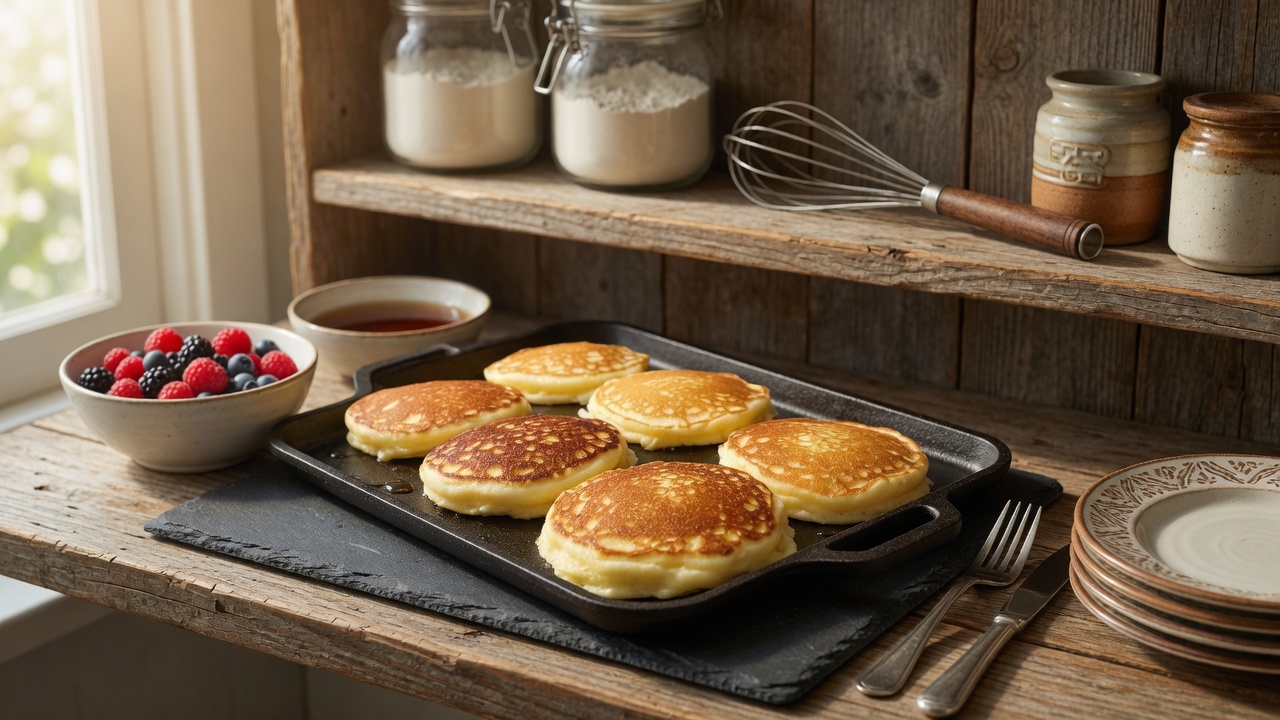
Low Carb Pancakes Recipe
Fluffy, tender pancakes made with almond flour and cream cheese deliver all the comfort of traditional pancakes with only 3 grams of net carbs per serving. Perfect for keto diets, gluten-free eating, and anyone reducing carbohydrate intake.
2-3
servings5
minutes10
minutes220
kcal3
g15
minutesIngredients
2 large eggs
2 tablespoons cream cheese, softened
1 to 2 tablespoons unsweetened almond milk
½ teaspoon pure vanilla extract
1 cup almond flour, finely ground
1 teaspoon baking powder
Pinch of salt
Butter or coconut oil for cooking
Directions
- Combine wet ingredients: Crack eggs into a mixing bowl. Add softened cream cheese, almond milk, and vanilla extract. Whisk until smooth and creamy, though small cream cheese bits are fine.
- Add dry ingredients: Mix in almond flour, baking powder, and salt. Stir until just combined, being careful not to overmix. Let batter rest for 2 to 3 minutes to thicken.
- Heat your pan: Place a non-stick skillet over medium-low heat. Add a small amount of butter or coconut oil and allow pan to warm gradually.
- Cook pancakes: Pour about 2 tablespoons of batter per pancake into the pan. Cook for 2 to 3 minutes until small bubbles form and edges set. Flip carefully and cook the second side for 1 to 2 minutes until golden.
- Serve warm: Remove pancakes from heat and serve immediately with your favorite low carb toppings like butter, sugar-free syrup, fresh berries, or whipped cream.
Nutrition Facts
- Calories: 220kcal
- Fat: 19g
- Carbohydrates: 5g
- Fiber: 2g
- Protein: 8g


