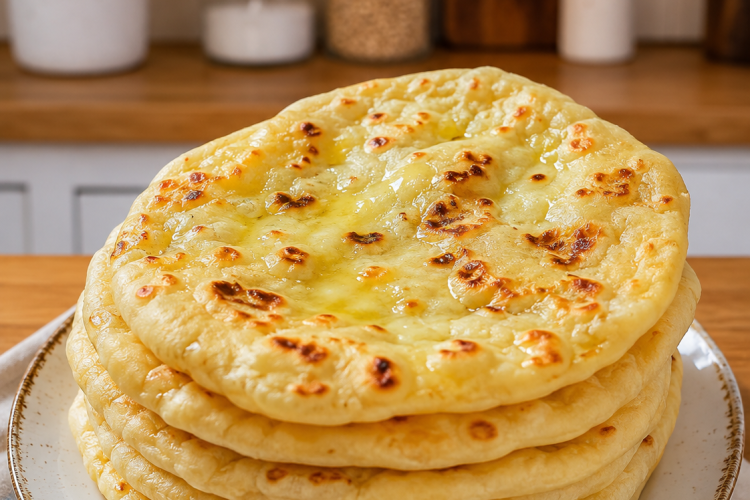
Air Fryer Turkish Bread is a light, soft, and fluffy homemade bread that puffs up as it cooks. This easy air fryer bread recipe uses a short list of basic ingredients and cooks in only a few minutes once the dough is ready. The finished bread has a lightly crisp outside and a soft center, making it a useful side for dips, soups, grilled foods, and everyday meals.
What Is Turkish Bread?
Turkish balloon bread is known for its thin dough and dramatic puffing during cooking. When the dough is rolled thin and exposed to high heat, steam forms inside and separates the layers, creating a hollow or partly hollow center. This gives the bread its balloon-like appearance. Making it in an air fryer provides a quick way to cook individual pieces without heating a large oven.
Why Make Bread in an Air Fryer?
An air fryer reaches cooking temperature quickly and circulates hot air around the dough. This makes it convenient when you want homemade bread without waiting for a full-size oven to heat. Because the bread is cooked in small portions, each piece can be watched closely. The short cooking time also makes this an attractive option for busy mornings, quick lunches, or simple dinners.
Ingredients for Homemade Bread
The ingredient list is short and straightforward. Warm water helps bring the yeast into the dough, while active or instant yeast helps the bread rise. Salt adds flavor, and all-purpose flour provides the structure needed for kneading and shaping. These ingredients work together to create a dough that can be rolled thin enough to puff during air frying.
Using Warm Water Correctly
The water should be warm rather than very hot. Excessively hot water can damage active yeast and prevent the dough from rising properly. Lukewarm water is easier to handle and gives the yeast a suitable environment. If you are unsure about the temperature, the water should feel comfortably warm to the touch rather than hot. This small detail can make a noticeable difference in the dough.
Choosing the Right Flour
All-purpose flour is used in this recipe because it is easy to find and works well for homemade bread. It contains enough gluten-forming protein to create an elastic dough when mixed and kneaded. The gluten helps the dough stretch as it is rolled and also allows steam to build inside during cooking. Avoid adding large amounts of extra flour because a very dry dough can become difficult to roll thin.
Preparing the Yeast
Begin by combining the warm water and yeast in a bowl. The original ingredient list does not include sugar or olive oil, so they are not necessary for following this version of the recipe. If active dry yeast is used, allowing it to sit briefly helps show whether it is active. Instant yeast can also be used and may not require the same activation process, but it can still be mixed with the warm water.
Mixing the Dough
Place the all-purpose flour and salt into a large mixing bowl. Add the yeast and warm water mixture and stir until the ingredients begin to come together. At first, the dough may look rough or uneven. Continue mixing until there are no large patches of dry flour. The dough should begin forming a soft mass that can be transferred to a lightly floured work surface for kneading.
Kneading the Bread Dough
Kneading is important because it develops the gluten in the flour. Turn the dough onto a lightly floured surface and work it for about five to seven minutes. Press the dough forward with the heel of your hand, fold it back, and repeat the motion. As you knead, the dough should become smoother and more elastic. Avoid adding too much flour because this can make the finished bread heavy.
Knowing When the Dough Is Ready
A properly kneaded dough should feel soft and flexible rather than stiff. When you gently stretch a small piece, it should have some elasticity instead of immediately tearing apart. The surface should also become smoother as the gluten develops. If the dough feels very sticky, a small amount of flour can help with handling, but use only enough to keep it manageable.
Letting the Dough Rise
Place the kneaded dough in a lightly oiled bowl, cover it with a damp cloth or plastic wrap, and leave it in a warm place. Allow it to rise for about one to two hours, or until it doubles in size. The exact rising time depends on the temperature of the room and the activity of the yeast. A warmer environment generally speeds up fermentation, while a cooler room can require more time.
Checking the Dough After Rising
The dough should look noticeably larger after rising. Instead of relying only on the clock, check its volume because room temperature can change the timing. Once it has approximately doubled, gently press it down to release some of the trapped air. This step makes the dough easier to divide and shape. Do not knead it aggressively again because the goal is simply to redistribute the dough.
Dividing the Dough
Divide the risen dough into small portions roughly the size of golf balls. Keeping the pieces similar in size helps them cook at a similar rate. If some pieces are much larger than others, the smaller ones may finish before the larger pieces have puffed and browned. Work with one portion at a time while keeping the remaining dough covered so it does not dry out.
Rolling the Dough Thin
Roll each dough ball into a flat, thin circle. This is one of the most important steps for making air fryer balloon bread. Thick dough may cook on the outside before enough steam develops inside to create the characteristic puff. Aim for an even thickness across the circle. Very thin edges and a thick center can also make the bread cook unevenly.
Why Thin Dough Matters
The puff depends on heat and steam moving through the dough in a particular way. When the dough is thin and evenly rolled, the surface heats quickly and moisture inside turns into steam. The steam pushes against the dough and can separate sections of the bread. If the dough is too thick, it may not develop the same balloon effect. Even rolling is therefore more important than making perfect circles.
Preheating the Air Fryer
Preheat the air fryer to approximately 350°F, or 175°C. Starting with a hot basket gives the dough an immediate burst of heat. This can help the bread begin puffing quickly instead of slowly drying out. Air fryer models vary in power, basket design, and temperature accuracy, so the first piece can also serve as a test for adjusting the cooking time.
Cooking One Bread at a Time
Place one rolled piece of dough into the air fryer basket. Cooking one at a time gives the bread enough space for the hot air to circulate and allows you to observe the puffing process. If your basket is large enough to accommodate more than one piece without overlapping, you may be able to cook several, but individual cooking provides the most control over the result.
Air Frying the Bread
Cook the dough for about one to two minutes on the first side. Carefully turn it over and continue cooking for another one to two minutes. The bread should begin to puff and develop a light golden color. Cooking time can vary between air fryer models, so watch the bread closely. Because the total cooking period is short, even a small increase in cooking time can affect the texture.
Getting the Bread to Puff
If the bread does not puff completely, check the thickness of the dough first. Uneven rolling, excessive thickness, or an air fryer that has not reached the proper temperature can all affect puffing. Make sure the basket is preheated and that the dough is rolled evenly. Some pieces may puff more dramatically than others, and a partial puff can still produce a soft and enjoyable homemade bread.
Keeping the Bread Soft
Serve the bread soon after cooking for the best texture. Freshly air-fried bread has a lightly crisp surface while the inside remains soft and warm. If several pieces are being prepared, place the cooked breads together and cover them lightly with a clean kitchen towel. This can help prevent them from drying out while the remaining pieces finish cooking.
Serving Turkish Balloon Bread
Warm balloon bread pairs well with a wide range of foods. Serve it alongside dips, soups, roasted vegetables, grilled meats, or other Turkish-inspired dishes. Its soft center makes it useful for scooping up sauces and dips. Because the bread is individually cooked, you can prepare only the amount needed for a meal rather than making a large batch in advance.
Bread for Dips and Meals
The light texture makes this bread especially suitable for serving with dips. It can be torn into pieces and used instead of traditional flatbread for scooping. The mild flavor also means it will not overpower strongly seasoned foods. Try serving it with your favorite savory dip, alongside a warm soup, or as a simple bread option with a main meal.
Working With Active or Instant Yeast
Both active yeast and instant yeast can be used in this recipe. Active yeast generally benefits from being mixed with warm liquid before being added to the flour. Instant yeast is designed to work more quickly and can usually be mixed directly into the dry ingredients. Since the recipe lists either type, use the yeast you already have available and pay attention to the dough rather than relying only on a fixed rising time.
Common Dough Problems
A dough that refuses to rise may be affected by inactive yeast, unsuitable water temperature, or a cool environment. Dough that feels extremely stiff may contain too much flour. Bread that stays flat in the air fryer may have been rolled too thick or may have been cooked before the air fryer reached temperature. Checking each stage carefully can help identify the problem before making the next batch.
Preventing Dry Bread
Overcooking is one of the easiest ways to make this bread dry. The cooking time is only a few minutes, so there is little reason to leave the dough in the air fryer after it has puffed and developed a light golden color. Start checking the first piece early. Once you understand how quickly your particular air fryer cooks, you can repeat the timing more confidently.
Making Even Portions
Consistent portions make homemade bread easier to manage. Divide the dough into pieces of similar size and roll them to a similar thickness. This helps every piece cook at approximately the same rate. If you are serving the bread at a gathering, preparing evenly sized portions also makes the finished basket of bread look more uniform and makes serving easier.
Air Fryer Temperature Tips
The recommended temperature is around 350°F, but air fryers do not all behave exactly the same way. Some models heat more strongly from the top, while others circulate air differently. If your bread browns very quickly without puffing, the cooking conditions may need adjustment. If it remains pale and takes longer to puff, make sure the air fryer is fully preheated before adding the dough.
Storage and Freshness
This bread is best served immediately while it is warm and soft. If you have leftovers, allow them to cool before storing them in an airtight container. Reheating briefly can help restore some softness, although freshly cooked bread will always have the best texture. Avoid leaving the bread uncovered for a long period because the surface can become dry and chewy.
Notes for Better Results
Keep the dough covered whenever you are not actively working with it. Roll each piece thin and evenly, and avoid overcrowding the air fryer basket. Preheat the appliance before cooking and begin checking the bread after the first minute on each side. The exact cooking time depends on your air fryer. Serve the finished bread warm for a soft center and lightly crisp exterior.
Nutrition Per Serving
Each serving contains approximately 78 calories, with 16 grams of carbohydrates and 2 grams of protein. The listed nutritional information also provides approximately 0.2 grams of fat per serving. These figures are based on the supplied recipe and can vary depending on the specific flour, yeast, serving size, and cooking method used. Nutritional values should therefore be treated as estimates rather than exact measurements.
A Practical Homemade Bread Recipe
This air fryer Turkish balloon bread recipe is useful when you want a quick homemade bread after the dough has finished rising. The preparation uses basic pantry ingredients and does not require complicated shaping. The most important details are allowing the dough to rise, rolling it thin, preheating the air fryer, and watching the short cooking time closely. Following those steps gives you warm bread with a light texture and attractive puffing.
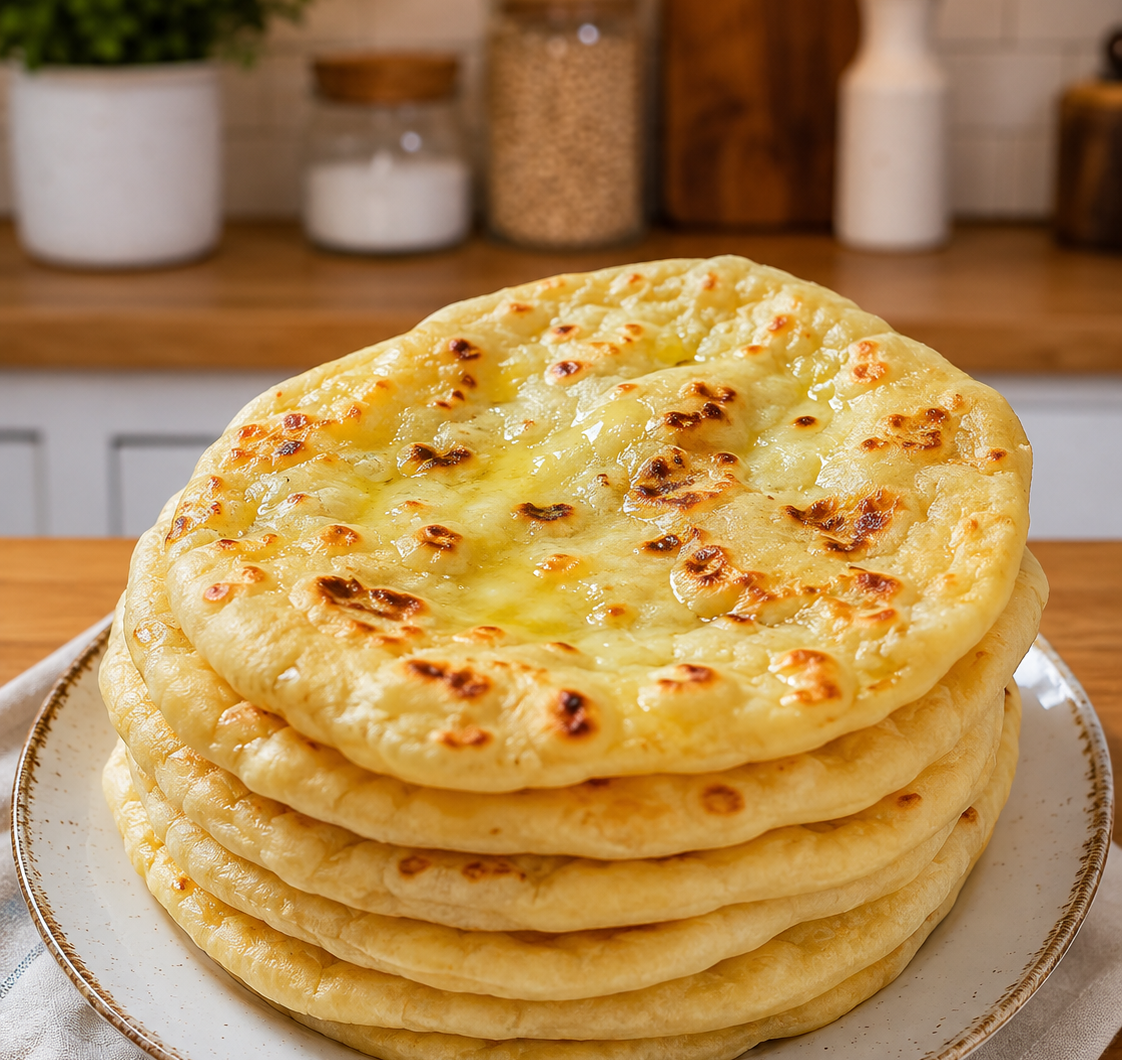
Air Fryer Turkish Bread Recipe
Soft and fluffy Turkish bread made with a simple yeast dough and cooked in the air fryer.
6
servings10
minutes4
minutes78
kcal14
minutesIngredients
1/3 cup warm water
1 teaspoon active yeast or instant yeast
1/2 teaspoon salt, to taste
1 cup all-purpose flour
Directions
- Prepare the yeast: Mix the warm water and yeast in a bowl. If using active yeast, allow the mixture to sit for about 5 to 10 minutes.
- Make the dough: Combine the all-purpose flour and salt in a large bowl. Add the yeast mixture and mix until a dough forms.
- Knead and rise: Knead the dough on a lightly floured surface for 5 to 7 minutes, until smooth and elastic. Place it in a lightly oiled bowl, cover, and let it rise for 1 to 2 hours, or until doubled.
- Shape the bread: Gently press down the risen dough and divide it into small balls. Roll each portion into a thin, even circle.
- Air fry: Preheat the air fryer to 350°F (175°C). Cook one piece at a time for 1 to 2 minutes on each side, or until puffed and lightly golden.
- Serve: Remove the bread from the air fryer and serve immediately while warm and soft.
Nutrition Facts
- Calories: 78kcal
- Fat: 0.2g
- Carbohydrates: 16g
- Protein: 2g


