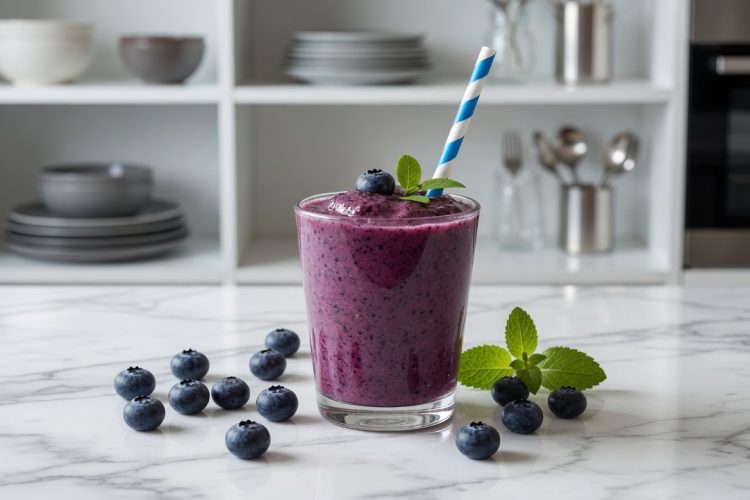
Fresh blueberry juice is a simple and nutritious drink you can make in your own kitchen. This vibrant purple beverage requires only four basic ingredients and no special equipment beyond a blender. The sweet and tangy flavor of blueberries makes this juice a favorite among both children and adults.
Unlike store-bought versions that often contain preservatives and added sugars, homemade blueberry juice gives you complete control over what goes into your glass. Making this juice takes about 20 minutes from start to finish, with most of that time spent soaking the berries.
Why Blueberries Are Great for Juicing
Blueberries are small but packed with important nutrients your body needs. These berries contain high levels of antioxidants that help protect your cells from damage. Fresh blueberries have a natural sweetness that makes them perfect for juice without needing much added sugar.
The deep blue color comes from compounds called anthocyanins, which have been studied for their health benefits. Blueberries blend easily into a smooth juice without leaving chunks or requiring straining in most cases.
Health Benefits of Drinking Blueberry Juice
Drinking blueberry juice regularly may support your overall health in several ways. The antioxidants in blueberries help fight inflammation throughout your body. These berries contain vitamin C, which supports your immune system and helps your body heal. Blueberries also provide vitamin K, which plays a role in blood clotting and bone health. The natural compounds in blueberries may help improve memory and brain function over time. Studies suggest that blueberry consumption might support heart health and healthy blood pressure levels.
Nutritional Value of Fresh Blueberries
One cup of fresh blueberries contains about 84 calories, making them a low-calorie fruit option. They provide fiber, which helps with digestion and keeps you feeling full longer. Blueberries contain small amounts of many vitamins and minerals, including manganese, vitamin B6, and folate. The fiber in blueberries helps slow down sugar absorption, preventing rapid spikes in blood sugar. Despite their sweetness, blueberries have a lower glycemic index compared to many other fruits.
Choosing the Best Blueberries for Juice
When shopping for blueberries, look for berries that are firm and dry with a deep blue color. Avoid containers with berries that look shriveled, moldy, or leaking juice. Fresh blueberries should have a slightly powdery coating called bloom, which is natural and protective. Organic blueberries are ideal if you want to avoid pesticide residues, though they cost more than conventional options. You can also use frozen blueberries when fresh ones are not in season or too expensive.
Understanding the Importance of Washing Blueberries
Properly washing blueberries removes dirt, bacteria, and pesticide residues from the surface. Simply rinsing under water is not enough to remove all the chemicals that might be present. Soaking blueberries in a vinegar and baking soda solution helps break down pesticide residues more effectively. This cleaning method is especially important if you are using conventionally grown berries. Taking time to clean your blueberries properly ensures your juice is as healthy and safe as possible.
How to Clean Blueberries with Vinegar and Baking Soda
The vinegar and baking soda method is one of the most effective ways to clean blueberries. Mix one tablespoon of vinegar with half a teaspoon of baking soda in a bowl of water. You can use either white vinegar or apple cider vinegar for this purpose. Place the blueberries in this solution and let them soak for 15 to 20 minutes. The combination creates a mild reaction that helps lift away pesticides and dirt. After soaking, rinse the berries thoroughly under clean running water at least twice.
Why Lemon Juice Makes Blueberry Juice Better
Adding lemon juice to blueberry juice brightens the flavor and balances the sweetness. The acidity from lemon helps preserve the vibrant color of the juice for longer. Lemon juice also adds vitamin C, boosting the nutritional value of your drink. Just one tablespoon of fresh lemon juice makes a noticeable difference in taste. The citrus note cuts through the richness of the blueberries and makes the juice more refreshing.
Sweetener Options for Blueberry Juice
Raw sugar is the sweetener suggested in this recipe, but it is completely optional. If your blueberries are naturally sweet, you may not need any sweetener at all. Maple syrup works well and adds a subtle flavor that complements blueberries nicely. Palm jaggery or coconut sugar are less refined options that provide a deeper, caramel-like sweetness. Honey is another natural sweetener, though it makes the juice no longer vegan. Start with one tablespoon of sweetener and adjust based on your taste preference.
The Role of Water in Blueberry Juice
Water dilutes the concentrated flavor and thickness of blended blueberries. Using one cup of water for one cup of blueberries creates a balanced consistency. You can use cold water for a refreshing drink or room temperature water if you prefer. Some people like to use coconut water instead of regular water for added electrolytes. The amount of water can be adjusted based on whether you want a thicker or thinner juice.
Equipment You Need to Make Blueberry Juice
A regular blender is all you need to make this blueberry juice recipe. High-powered blenders work best for achieving a completely smooth texture. If you have a less powerful blender, you may need to blend for a longer time. A fine-mesh strainer is optional if you prefer juice without any pulp or seeds. You will also need measuring cups, a bowl for soaking berries, and glasses for serving.
Step by Step Guide to Making Blueberry Juice
Start by rinsing your fresh blueberries under cool running water a couple of times. Prepare the cleaning solution by mixing vinegar and baking soda in a bowl of water. Soak the blueberries in this solution for 15 to 20 minutes to remove pesticides. Drain and rinse the berries thoroughly under clean water at least two more times. Add the cleaned blueberries to your blender jar along with water, lemon juice, and sweetener if using. Blend on high speed until the mixture becomes completely smooth.
Blending Tips for Smooth Blueberry Juice
Start blending at a lower speed and gradually increase to high to avoid splattering. Blend for at least 30 to 60 seconds to ensure the blueberries break down completely. If your blender struggles, stop and stir the mixture, then continue blending. Adding the liquid ingredients first, then the blueberries, can help some blenders work more efficiently. Scrape down the sides of the blender jar if needed to make sure everything gets blended evenly.
Should You Strain Blueberry Juice
Straining blueberry juice is a personal preference based on texture. Leaving the pulp in the juice provides extra fiber and makes the drink more filling. If you prefer a smoother, pulp-free juice, pour it through a fine-mesh strainer or cheesecloth. Press the pulp with a spoon to extract as much liquid as possible. Keep in mind that straining removes some of the fiber and nutrients. Most people find blended blueberry juice smooth enough without needing to strain.
Serving Suggestions for Blueberry Juice
Pour your fresh blueberry juice into glasses immediately after blending for the best flavor. Add ice cubes if you want a colder, more refreshing drink. Garnish with a few fresh blueberries or a lemon slice for an attractive presentation. This juice works well as a breakfast beverage alongside your morning meal. You can also serve it as a healthy snack during the afternoon when you need an energy boost.
Storing Homemade Blueberry Juice
Fresh blueberry juice tastes best when consumed right after making it. If you need to store it, keep it in an airtight container in the refrigerator. The juice will stay fresh for up to 24 hours when properly refrigerated. Shake or stir the juice before drinking, as natural separation may occur during storage. For longer storage, you can freeze blueberry juice in ice cube trays and thaw as needed.
Making Blueberry Juice with Frozen Berries
Frozen blueberries work just as well as fresh ones in this recipe. Frozen berries are often more affordable and available year-round. There is no need to thaw frozen blueberries before blending them. Using frozen berries creates a colder, slightly thicker juice similar to a smoothie. The nutritional value of frozen blueberries is comparable to fresh since they are frozen at peak ripeness.
Adjusting the Recipe to Your Taste
Feel free to adjust the water amount based on how thick you like your juice. Using less water creates a more concentrated flavor and thicker consistency. More water makes a lighter, more hydrating drink. The sweetener amount can be increased or decreased based on the natural sweetness of your berries. Taste the juice before serving and make any adjustments you prefer.
Blueberry Juice for Kids
Children usually love the naturally sweet taste and bright color of blueberry juice. This homemade version is much healthier than sugar-filled juice boxes from the store. The natural sugars in blueberries provide energy without the artificial ingredients. Making juice together can be a fun activity that gets kids interested in healthy eating. You can reduce the lemon juice slightly if your children prefer a sweeter, less tangy flavor.
Using Blueberry Juice as a Base
Fresh blueberry juice can serve as a base for other drinks and recipes. Mix it with sparkling water for a homemade soda alternative. Combine it with other fruit juices like apple or grape for interesting flavor combinations. Use blueberry juice in smoothies along with yogurt and other fruits. It can also be frozen into popsicles for a healthy frozen treat.
Comparing Homemade to Store-Bought Blueberry Juice
Homemade blueberry juice contains only the ingredients you add, with no hidden additives. Store-bought blueberry juice often contains added sugars, preservatives, and artificial flavors. Many commercial juices are made from concentrate rather than fresh fruit. The flavor of homemade juice is brighter and more natural than bottled versions. Making your own juice costs less per serving when blueberries are in season.
When Blueberries Are in Season
Fresh blueberries are typically in season during summer months, from June through August. During peak season, blueberries are most affordable and have the best flavor. Buying berries in bulk during season and freezing them is a smart way to save money. Out of season, frozen blueberries are often a better value than expensive fresh ones. Check your local farmers market for the freshest seasonal berries in your area.
Health Considerations for Blueberry Juice
While blueberry juice is healthy, it does contain natural sugars and should be consumed in moderation. Drinking whole fruit provides more fiber than juice alone. People managing blood sugar should be mindful of portion sizes. The juice is naturally vegan and gluten-free, suitable for many dietary restrictions. Always consult with a healthcare provider if you have specific health concerns or conditions.
Adding Other Ingredients to Blueberry Juice
Experiment with adding other fruits to create custom blends. Strawberries, raspberries, or blackberries pair wonderfully with blueberries. A small piece of fresh ginger adds a spicy kick and digestive benefits. Fresh mint leaves create a refreshing twist on plain blueberry juice. A handful of spinach or kale boosts nutrition without significantly changing the taste.
Budget-Friendly Tips for Making Blueberry Juice
Buy blueberries when they are on sale and freeze extras for later use. Generic or store-brand blueberries are just as nutritious as name brands. Growing your own blueberry bushes provides free berries if you have garden space. Share bulk purchases with friends or family to take advantage of better prices. Skip the sweetener entirely to save money and reduce calories.
Common Mistakes to Avoid
Do not skip the washing step, even if berries look clean. Over-blending can heat up the juice and affect the flavor negatively. Using too little water makes the juice too thick and concentrated. Adding too much sweetener masks the natural flavor of the blueberries. Not rinsing after the vinegar soak can leave an unpleasant taste.
Why This Recipe Works for Busy People
This blueberry juice recipe requires minimal preparation and no cooking. The ingredients are simple and easy to find at any grocery store. You can make a single serving or double the recipe for multiple people. Cleanup is quick with only a blender and a few utensils to wash. The whole process takes just 20 minutes, making it perfect for busy mornings.
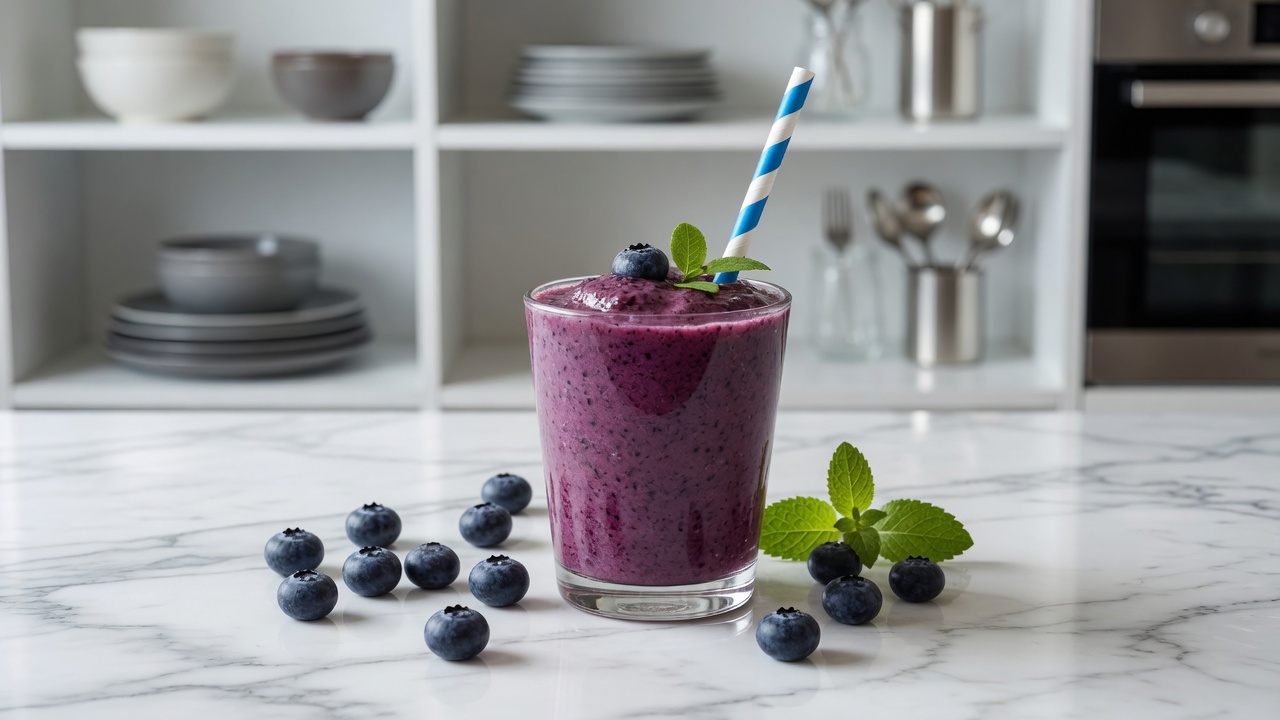
Healthy Blueberry Juice
A bright and flavorful blueberry juice that is deliciously refreshing and full of nutrients. Made with just four basic ingredients, this homemade juice is naturally sweet with a tangy finish.
1
servings20
minutes68
kcal20
minutesIngredients
1 cup fresh blueberries
1 cup water
1 tablespoon lemon juice
1 to 2 tablespoons raw sugar (optional)
Directions
- Rinse fresh blueberries under water, then soak in water mixed with 1 tablespoon vinegar and ½ teaspoon baking soda for 15 to 20 minutes to remove pesticides.
- Rinse the blueberries again thoroughly under clean water twice and drain completely before adding to the blender.
- Add blueberries, water, lemon juice, and sugar (if using) to the blender jar.
- Blend on high speed until the mixture becomes completely smooth.
- Pour the blueberry juice into glasses and serve immediately.
Notes
- Cleaning Blueberries: Soaking berries in vinegar and baking soda solution effectively removes pesticides. Use either white vinegar or apple cider vinegar.
- Sweetener Options: Raw sugar is optional. Substitute with maple syrup, palm jaggery, coconut sugar, or skip entirely if berries are sweet enough.
- Using Frozen Blueberries: Frozen blueberries work equally well and do not need to be thawed before blending.
- Texture Preference: Strain the juice through a fine-mesh strainer if you prefer a pulp-free consistency, though this removes some fiber.
- Storage: Best consumed immediately, but can be refrigerated in an airtight container for up to 24 hours. Shake well before serving.
Nutrition Facts
- Calories: 68kcal
- Fat: 1g
- Carbohydrates: 17g
- Fiber: 2g
- Sugar: 14g
- Protein: 1g


