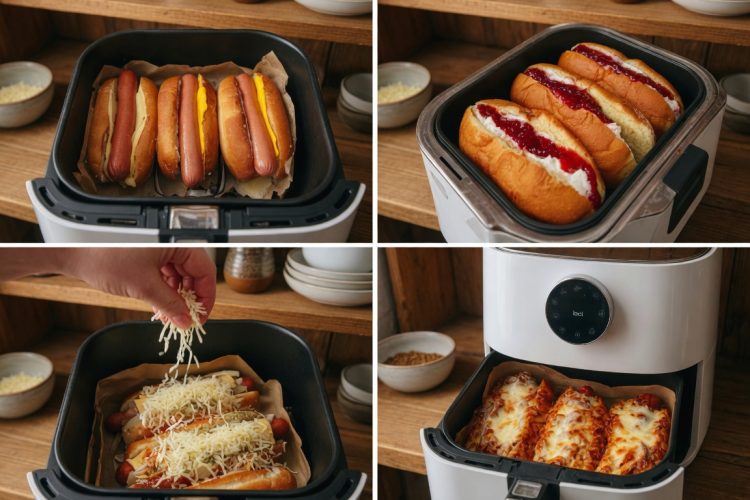
When you want a quick meal that doesn’t sacrifice flavor or texture, making hot dogs in your air fryer gives you restaurant-quality results without any complicated steps. The hot air circulation creates a lightly crispy outside while keeping the inside juicy and tender, which you can’t achieve through boiling or microwaving. This cooking method takes about twelve minutes from start to finish, making it perfect for lunch, dinner, after-school snacks, or feeding a crowd during game day. You can cook the hot dogs and toast the buns in the same appliance, which means less cleanup and more time to enjoy your meal.
How Air Fryers Cook Hot Dogs Better
Understanding why air fryers work so well for hot dogs helps you appreciate this cooking method. Traditional boiling softens hot dogs but makes them watery and doesn’t develop any texture on the outside. Microwaving heats them quickly but can create rubbery spots and uneven temperatures. Grilling produces excellent flavor with nice char marks, but requires outdoor space, preheating time, and more cleanup afterward. Air fryers solve all these problems by using rapid hot air circulation that browns the outside evenly while the inside stays moist. The concentrated heat in the small cooking chamber works faster than an oven while using less energy.
Making Small Cuts for Better Results
Before you put hot dogs in the air fryer, making a few shallow diagonal cuts across each one serves multiple purposes that improve the final product. These small slits allow the hot dogs to expand evenly as they heat up instead of splitting randomly in unpredictable places. The cuts also create edges that get extra crispy during cooking, which adds textural interest to every bite. Additionally, these openings allow seasonings or toppings to settle into the hot dog rather than sliding off. Use a sharp knife and make cuts about half an inch apart, going only about a quarter of the way through the hot dog so it stays intact.
Choosing Quality Hot Dogs
The brand and type of hot dog you use makes a noticeable difference in how your finished meal tastes. All-beef hot dogs tend to have a richer, meatier flavor and often contain higher quality ingredients than mixed-meat varieties. Turkey or chicken hot dogs provide a leaner option with less fat, though they can be slightly drier and may need more careful cooking to prevent toughness. Some hot dogs contain more fillers and additives than others, so reading the ingredient list helps you make informed choices. Premium brands often use natural casings that create a satisfying snap when you bite into them, while skinless varieties have a softer texture throughout.
Getting the Temperature Right
Setting your air fryer to 375 degrees Fahrenheit gives you the ideal temperature for cooking hot dogs to perfection. This moderate heat is hot enough to brown the outside and create some crispy edges without burning or drying out the hot dogs. Lower temperatures take longer and don’t develop as much color or texture, while higher temperatures can cause the outside to overcook before the inside heats through completely. Different air fryer models may run slightly hotter or cooler than their settings indicate, so you might need to adjust the temperature by 25 degrees up or down after you see how your first batch turns out.
Arranging Hot Dogs in the Basket
How you position hot dogs in the air fryer basket affects how evenly they cook and how much browning develops. Placing them in a single layer with space between each one allows hot air to circulate completely around every hot dog. If they’re touching or overlapping, the contact points won’t brown properly and you’ll have uneven results. Most standard air fryers can fit four to six hot dogs comfortably without crowding. If you need to cook more than that, it’s better to work in batches rather than stacking them, which blocks airflow. Turning the hot dogs halfway through cooking ensures all sides get equal exposure to the hot air.
Timing Your Cooking Perfectly
Six to eight minutes is the ideal cooking time for standard-sized hot dogs at 375 degrees, though several factors can affect the exact time needed. Thicker or longer hot dogs may need an extra minute or two, while smaller cocktail-sized ones cook faster. Starting from refrigerator temperature rather than room temperature adds about a minute to the cooking time. If you’re cooking frozen hot dogs, they’ll need an additional two to three minutes to heat all the way through. The hot dogs are done when they’re heated throughout and the outside has developed some browning with slightly crispy edges at the cuts you made.
Toasting Buns in the Air Fryer
Taking an extra minute to toast your hot dog buns transforms the entire eating experience from ordinary to special. Lightly brushing the inside of each bun with melted butter before toasting adds rich flavor and helps them brown beautifully. Place the buns cut-side up in the air fryer for one to two minutes, watching carefully because they can go from perfectly golden to burnt very quickly. The toasted buns provide a sturdy base that won’t get soggy when you add toppings, and the slight crispness contrasts nicely with the soft hot dog. If you prefer softer buns, you can skip the butter and just warm them for about a minute.
Creating a Toppings Bar
Setting up a toppings station lets everyone customize their hot dog exactly how they like it, which makes this simple meal more fun and interactive. Arrange small bowls with classic options like ketchup, mustard, and mayonnaise alongside chopped onions, pickle relish, and sliced jalapeños. Adding a few special toppings like shredded cheese, crispy fried onions, diced tomatoes, or sauerkraut gives people more choices. For parties, labeling each topping with small cards helps guests identify unfamiliar options. Warming toppings like chili or cheese sauce before serving prevents them from cooling down the hot dog. This approach also accommodates different dietary preferences and lets picky eaters keep things simple while adventurous eaters pile on everything.
Making Cheese-Topped Hot Dogs
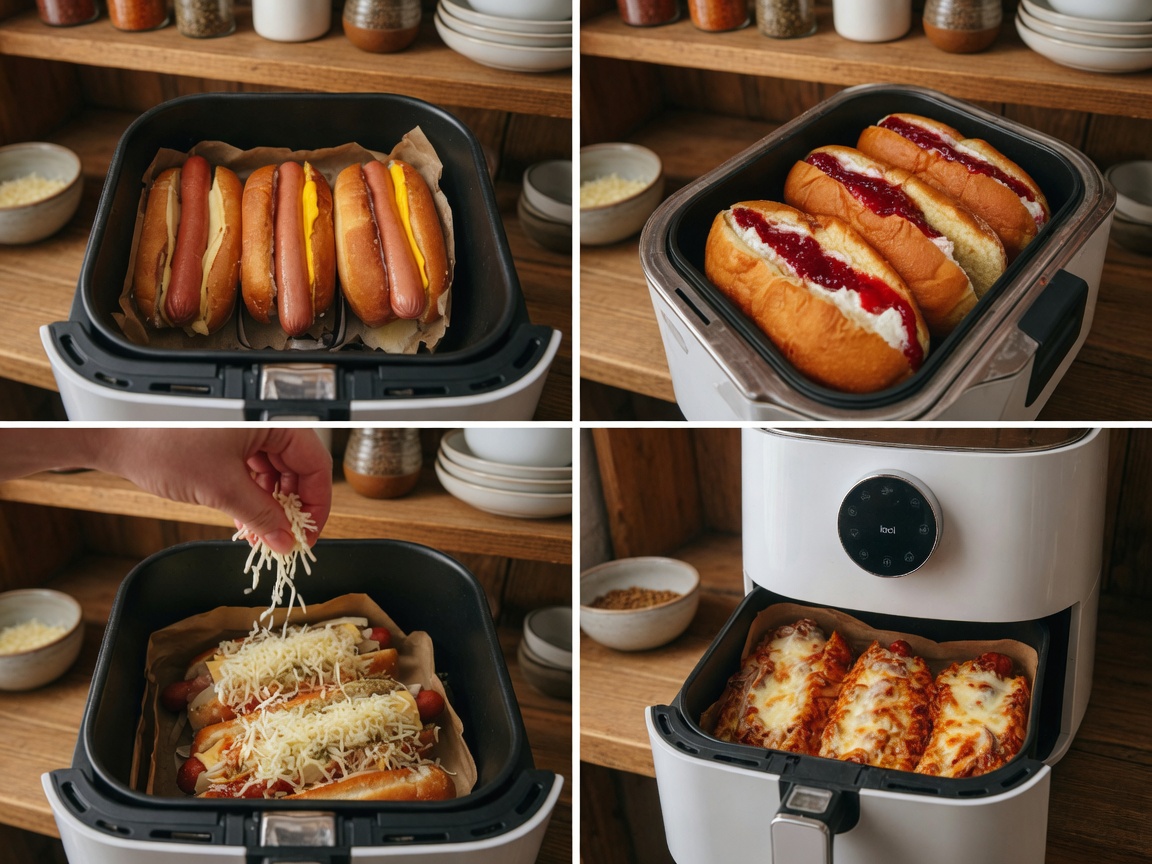
Melted cheese takes air fryer hot dogs to the next level with minimal extra effort. After cooking the hot dogs and placing them in buns, sprinkle shredded cheddar, mozzarella, or pepper jack cheese generously over the top. Return the assembled hot dogs to the air fryer for just one minute, which is enough time for the cheese to melt and get slightly bubbly without overcooking the hot dogs or burning the buns. You can also place a slice of cheese on the hot dog before putting it in the bun, though shredded cheese melts more evenly. For extra indulgence, try a combination of different cheeses.
Trying Different Flavor Combinations
Once you’ve mastered the basic technique, experimenting with creative variations keeps hot dogs interesting even if you eat them frequently. Wrapping each hot dog with a strip of bacon before air frying creates bacon-wrapped hot dogs with crispy, salty goodness, though this takes a few extra minutes of cooking time. Making chili cheese dogs involves topping the cooked hot dog with warm chili and shredded cheese, then melting everything together briefly. Creating Chicago-style hot dogs means loading them with yellow mustard, chopped onions, sweet pickle relish, tomato slices, pickled peppers, and celery salt. New York-style versions feature sauerkraut and spicy brown mustard.
Serving Hot Dogs for Different Occasions
Air fryer hot dogs work for many different meal situations beyond just quick weeknight dinners. For lunch boxes, cook the hot dogs in advance and pack them with a bun and toppings in separate containers so kids can assemble them at school. Game day parties benefit from cooking hot dogs in batches and keeping them warm while guests customize their own. Movie nights at home feel more special with freshly cooked hot dogs served with popcorn and other snacks. Summer gatherings can include air fryer hot dogs alongside traditional grilled foods, giving you an indoor option that doesn’t heat up the kitchen.
Pairing Hot Dogs with Side Dishes
While hot dogs can certainly be a complete meal on their own, serving them with complementary sides makes the meal more substantial and balanced. Classic french fries cooked in the same air fryer before or after the hot dogs create a traditional combination that never gets old. Sweet potato fries offer a slightly healthier alternative with natural sweetness. Onion rings provide crunchy contrast. Simple sides like coleslaw, potato salad, or macaroni salad add freshness and help round out the meal. For lighter options, serve hot dogs with fresh fruit, a green salad, or raw vegetables with dip.
Storing and Reheating Leftovers
If you cook more hot dogs than you can eat in one sitting, proper storage helps maintain quality so you can enjoy them later. Let the cooked hot dogs cool to room temperature, then place them in an airtight container and refrigerate for up to three days. Store the buns separately so they don’t absorb moisture and become soggy. When you’re ready to eat the leftovers, reheating them in the air fryer at 350 degrees for three to four minutes brings back much of the original texture. You can also reheat them in the microwave for about 30 seconds, though this won’t restore the crispy exterior. Toast fresh buns rather than using stored ones for the best results.
Avoiding Common Mistakes
Several simple errors can prevent your air fryer hot dogs from turning out perfectly, but knowing about them helps you avoid these problems. Overcrowding the basket is one of the most frequent mistakes because it blocks the air circulation that makes air frying work, resulting in unevenly cooked hot dogs. Skipping the preheating step means the hot dogs start cooking in a cooler environment, which affects browning and texture. Cooking the hot dogs too long makes them dry out and split excessively, though some splitting is normal and desirable. Forgetting to toast the buns means missing out on the improved texture and flavor that toasting provides.
Cooking Different Types of Hot Dogs
Not all hot dogs are the same, and different varieties may need slightly adjusted cooking times or temperatures. Standard beef hot dogs cook perfectly with the basic method described in this recipe. Chicken or turkey hot dogs contain less fat and can dry out more easily, so check them at the six-minute mark to avoid overcooking. Vegetarian or vegan hot dogs made from plant-based ingredients often need a minute or two less cooking time because they don’t need to reach the same internal temperature as meat. Cocktail wieners or mini hot dogs cook in about four to five minutes. Jumbo or quarter-pound hot dogs need an extra two to three minutes.
Making Hot Dogs from Frozen
Sometimes you forget to thaw hot dogs ahead of time, but you can still cook them directly from frozen with just a small adjustment. Add two to three extra minutes to the cooking time, making the total about ten to eleven minutes instead of six to eight. The outside might brown a bit more than usual before the inside fully heats through, but this isn’t a problem and actually creates more of that desirable crispy texture. You can check if frozen hot dogs are done by cutting into one to make sure the center is hot all the way through. Shaking the basket once or twice during cooking helps them cook more evenly.
Understanding Nutritional Considerations
Hot dogs get a reputation for being unhealthy, and while they shouldn’t be your only meal every day, they can fit into a balanced diet when chosen wisely. Reading nutrition labels helps you select hot dogs with lower sodium, less saturated fat, and fewer additives. Choosing turkey or chicken versions reduces fat content compared to beef or pork hot dogs. Serving hot dogs with vegetable sides and using whole grain buns adds fiber and nutrients. Controlling portion sizes by eating one hot dog instead of two or three helps manage calorie intake. Being mindful about high-calorie toppings like cheese and mayonnaise lets you enjoy the meal without overdoing it.
Cleaning Your Air Fryer After Cooking
Hot dogs don’t create much mess in the air fryer, but cleaning it properly after each use keeps it working well and prevents buildup. Let the air fryer cool completely before attempting to clean any part of it. The basket and tray can usually be washed with warm soapy water or placed in the dishwasher if they’re dishwasher-safe. Wiping the inside of the air fryer with a damp cloth removes any splatters. If you notice grease buildup, using a degreasing dish soap helps cut through it. Regular cleaning prevents smoke and odors from developing during future cooking sessions.
Making Hot Dogs for a Crowd
When you need to feed many people, the air fryer method still works well with some planning. Cook hot dogs in batches of four to six, depending on your air fryer size, and keep the finished ones warm in a low oven at 200 degrees while you cook the rest. This assembly line approach lets you cook dozens of hot dogs in about thirty minutes. Alternatively, if you have access to multiple air fryers, running them simultaneously speeds up the process considerably. For very large gatherings, you might combine air fryer hot dogs with other cooking methods like grilling to handle the volume more efficiently.
Experimenting with International Styles
Hot dogs appear in different forms around the world, and trying these international variations adds excitement to your air fryer cooking. German-style bratwurst cooked in the air fryer and served on a roll with mustard and sauerkraut creates a European-inspired meal. Japanese hot dogs often feature teriyaki sauce, mayonnaise, and seaweed flakes. Mexican Sonoran hot dogs get wrapped in bacon and topped with beans, grilled onions, tomatoes, and various sauces. Danish hot dogs come with crispy fried onions, raw onions, pickles, and remoulade sauce. Each style offers unique flavors while using the same basic air fryer cooking technique.
Crispy Air Fryer Hot Dogs
Quick and easy hot dogs cooked in the air fryer with a lightly crispy exterior and juicy interior, served in toasted buns with your favorite toppings.
4
servings4
minutes8
minutes290
kcal12
minutesIngredients
4 hot dog sausages
4 hot dog buns
- Optional Ingredients:
1 teaspoon melted butter
½ cup shredded cheddar or mozzarella cheese
Ketchup
Yellow mustard
Mayonnaise
Finely chopped onion
Sliced jalapeños
Sweet pickle relish
Dill pickle slices
Directions
- Prepare hot dogs: Using a small sharp knife, make several shallow diagonal cuts across each hot dog, cutting about ¼ of the way through. This helps them cook evenly and creates crispy edges.
- Preheat air fryer: Set air fryer to 375°F (190°C) and preheat for about 3 minutes.
- Cook hot dogs: Arrange hot dogs in a single layer in the air fryer basket with space between each one. Cook for 6-8 minutes, turning halfway through, until lightly browned and heated through.
- Toast buns: Lightly brush inside of each bun with melted butter if desired. Place buns in air fryer for 1-2 minutes until warm and lightly toasted.
- Assemble and serve: Place each cooked hot dog in a toasted bun. Add desired toppings. If using cheese, sprinkle over assembled hot dogs and return to air fryer for 1 minute to melt. Serve immediately.
Notes
- Make shallow diagonal cuts across hot dogs before cooking for even expansion and crispy edges
- Reheat in air fryer at 350°F for 3-4 minutes to restore crispy texture
Nutrition Facts
- Calories: 290kcal
- Fat: 18g
- Carbohydrates: 23g
- Fiber: 1g
- Sugar: 3g
- Protein: 10g


