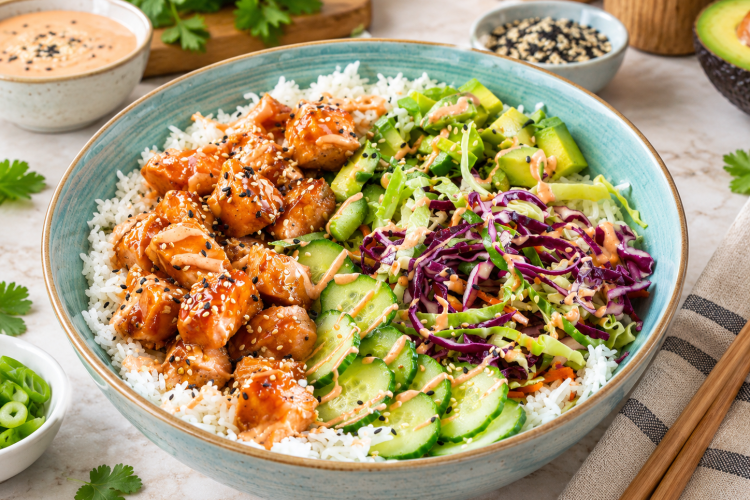
A good salmon rice bowl should be simple enough for a busy weeknight but satisfying enough to make you want it again. This easy salmon rice bowl brings together tender salmon, fluffy jasmine rice, crisp asparagus, fresh lemon, and a bright Dijon-dill sauce in one convenient pot.
The result is a flavorful meal with plenty of protein, healthy fats, carbohydrates, and vegetables. Because the salmon and vegetables cook directly over the rice, there is less cleanup and the ingredients share their flavors as they cook.
This salmon rice bowl recipe is especially useful when you want a balanced homemade meal without preparing several separate dishes. The jasmine rice creates a soft, fragrant base, while salmon adds rich flavor and a satisfying texture. Lemon zest and juice keep the dish fresh, Dijon mustard contributes a pleasant tang, and dried dill gives the sauce a familiar herbaceous note.
Asparagus adds a little crunch and color, although your preferred vegetables can also be used according to the original ingredient options.
Why This Salmon Rice Bowl Works
The appeal of this healthy salmon rice bowl comes from its straightforward cooking method. Instead of searing the salmon in one pan, cooking rice in another, and preparing vegetables separately, the recipe uses a layered approach. The rice begins cooking in no-salt-added chicken broth, then the seasoned salmon and chopped asparagus are placed on top. With the lid secured, the trapped steam gently cooks the fish and vegetables while the rice finishes becoming tender.
This approach is convenient, but it also helps create a cohesive dish. As the salmon cooks, its natural juices and seasoning mingle with the steam inside the saucepan. The asparagus becomes tender without losing all of its texture, and the rice absorbs the flavors surrounding it. Once everything is cooked, the salmon is flaked into bite-sized pieces and combined with the prepared Dijon-dill sauce. Every spoonful contains a little of the rice, salmon, vegetables, and bright sauce.
A Protein-Rich Meal for Busy Days
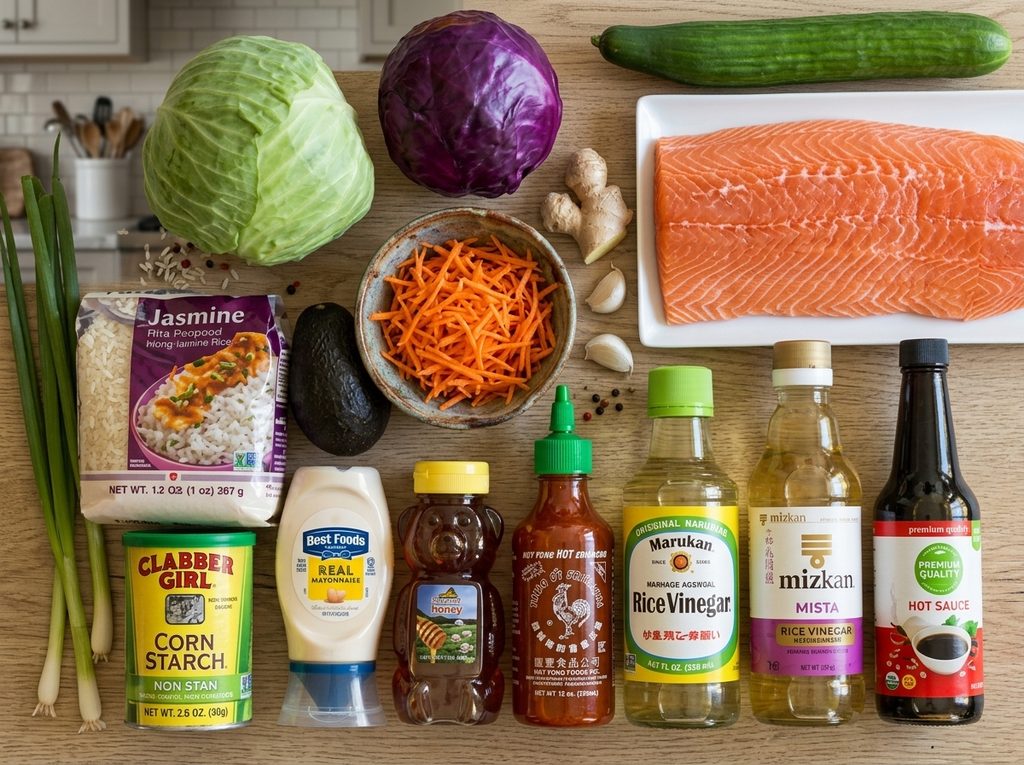
Salmon is one of the main reasons this recipe works so well as a filling everyday meal. The fish provides substantial protein along with naturally occurring omega-3 fatty acids. Combined with jasmine rice and vegetables, it creates a meal that feels complete without requiring a long ingredient list. The recipe is also practical for people who like preparing meals in advance because the finished portions can be stored in airtight containers and refrigerated for later.
The nutritional information supplied with this recipe lists approximately 440 calories, 41 grams of protein, 17 grams of fat, 31 grams of carbohydrates, 4 grams of fiber, 2 grams of sugar, and 610 milligrams of sodium per serving. Nutrition values can vary depending on the specific ingredients and brands used, so these figures should be treated as an estimate. Even with that variation, the combination of protein, carbohydrates, fats, and vegetables makes this salmon rice bowl a convenient option for a balanced meal.
Choosing the Rice
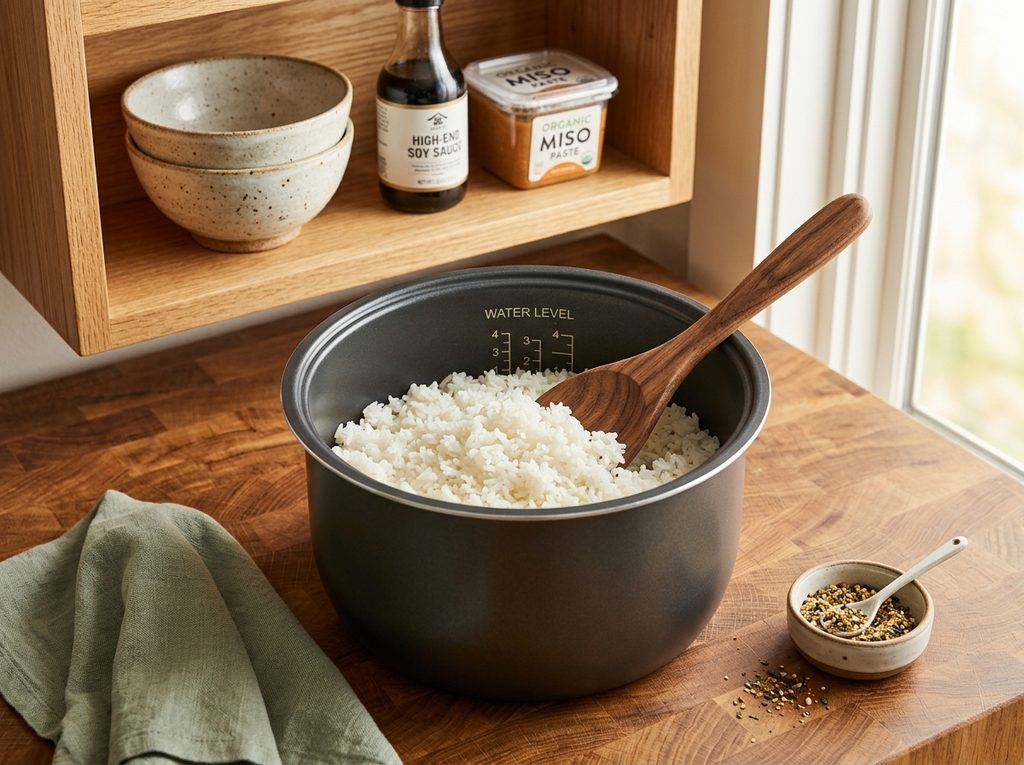
Jasmine rice is used as the foundation of this salmon and rice bowl because it cooks into a tender, aromatic base that pairs naturally with salmon. The recipe uses no-salt-added chicken broth rather than plain water, giving the rice additional savory character while allowing the cook to control the amount of seasoning. Rinsing rice is optional depending on your preferred texture, but handling the rice carefully and following the cooking time helps prevent it from becoming overly soft.
The most important point during the rice stage is to avoid rushing the cooking process. The rice should reach a gentle boil before the heat is reduced and the saucepan is covered. Once the rice begins simmering, keeping the lid closed helps retain the steam needed for proper cooking. The goal is for the liquid to become mostly absorbed before the salmon and vegetables finish their steaming stage.
Preparing the Salmon for Maximum Flavor
Before the salmon goes into the saucepan, take a few minutes to season it properly. Pat the fillet dry with paper towels, which helps remove excess surface moisture and allows the seasoning to sit directly against the fish. Season both sides with sea salt and black pepper, drizzle with olive oil, and add the zest of one lemon. Letting the salmon rest for 10 to 15 minutes gives the seasoning time to settle into the surface.
Although this recipe does not require complicated marinades or a long list of spices, lemon zest makes an important difference. It provides concentrated citrus aroma without adding additional liquid to the salmon. The olive oil helps distribute the seasoning across the surface, while salt and pepper bring out the natural flavor of the fish. Allowing the salmon to come closer to room temperature before cooking can also encourage more even cooking.
Cooking the Rice, Salmon, and Vegetables Together
Once the rice has absorbed most of its cooking liquid, the seasoned salmon is carefully positioned on top. The chopped asparagus is scattered around it before the saucepan is covered tightly. Keeping the lid in place is essential because the steam needs to remain inside the pot. This steam finishes cooking the rice while gently cooking the salmon and vegetables above it.
The cooking stage generally takes another 10 to 12 minutes over low heat. Rather than relying only on the clock, check the salmon for doneness. It should flake easily with a fork, and the supplied recipe recommends confirming that the internal temperature reaches 145°F. The rice should be tender and plump rather than crunchy. If the salmon or rice needs more time, continue cooking gently until both are properly cooked.
The Dijon Dill Sauce
The sauce is what gives this simple salmon rice bowl its finishing character. It combines dried dill, Dijon mustard, no-salt-added chicken broth, and lemon juice. Dijon mustard supplies sharpness, lemon adds acidity, and dill contributes an earthy herbal flavor. The chicken broth brings the ingredients together into a pourable mixture without making the sauce excessively heavy.
Prepare the sauce while the cooked salmon and rice are resting. Whisk the ingredients together in a small bowl until evenly combined. The lemon juice can be adjusted according to taste, allowing you to make the finished dish more or less tangy. Because the sauce is mixed in after cooking, its fresh citrus and mustard flavors remain noticeable instead of becoming muted during a long cooking process.
Why Resting the Bowl Matters
After the salmon, rice, and asparagus finish cooking, remove the saucepan from the heat and keep it covered for another five to 10 minutes. This short resting period allows the residual steam and heat to settle throughout the dish. It also gives you time to finish the sauce without rushing to mix everything while it is extremely hot.
When the resting period is complete, uncover the saucepan and gently flake the salmon into smaller pieces. Avoid aggressively stirring because the rice can become sticky and the salmon can break down too much. Pour the Dijon-dill mixture over the contents and fold everything together carefully. If the mixture seems too thick or dry, a tablespoon or two of chicken broth or water can loosen it.
Making This Recipe with Different Vegetables
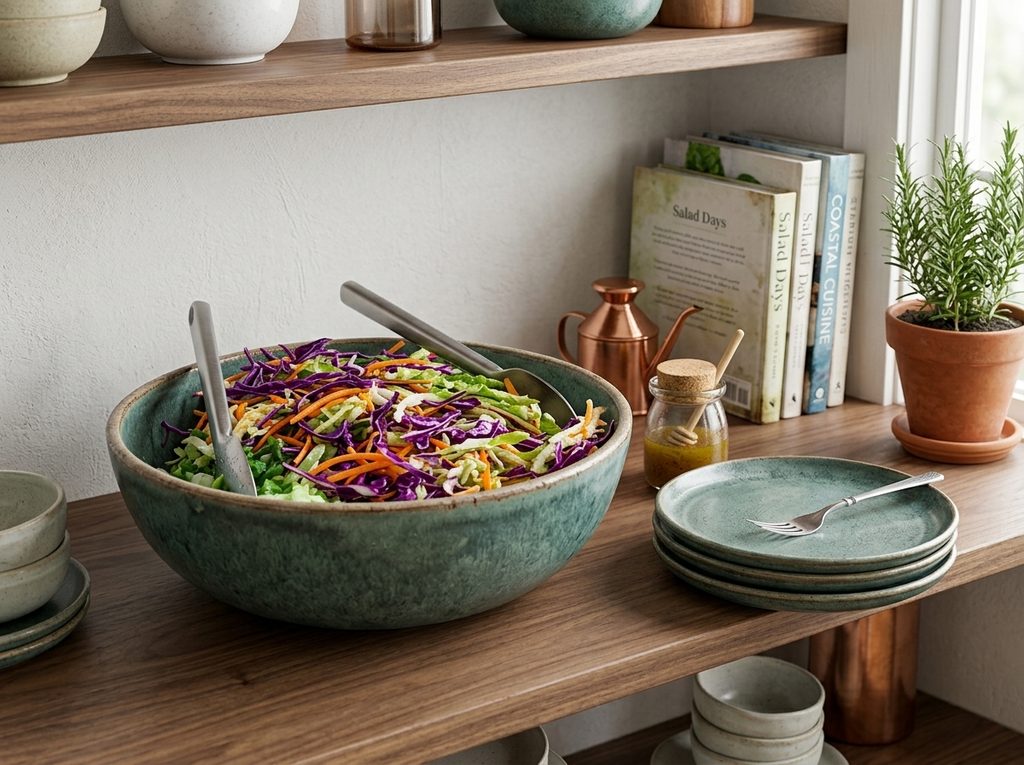
Asparagus is the vegetable specified in the original ingredient list, but the recipe also allows preferred vegetables. Broccoli and snap peas are examples that work with the same general concept. The important consideration is cutting vegetables into reasonably sized pieces so they can cook during the steaming stage without becoming excessively soft.
Vegetables with different densities may require slight adjustments to cooking time. Larger pieces can take longer to become tender, while very small pieces may soften quickly. For the best texture, keep the pieces relatively uniform. This also makes the finished salmon rice bowl easier to eat because the vegetables blend naturally with the flaked salmon and rice.
How to Make a Salmon Cauliflower Rice Bowl
For people looking for a lower-carbohydrate variation, the supplied recipe suggests replacing jasmine rice with cauliflower rice. This creates a salmon cauliflower rice bowl while maintaining the same basic flavor combination of salmon, vegetables, lemon, dill, and Dijon mustard. Because cauliflower rice cooks differently from jasmine rice, however, the cooking method and timing should be adjusted rather than treating it exactly like uncooked rice.
The cauliflower-rice version can be useful when you want the salmon and vegetable components without the traditional rice base. The sauce remains suitable for the variation because its ingredients do not depend on jasmine rice. Keep in mind that changing the rice also changes the nutritional profile of the finished meal, particularly the carbohydrate and calorie content.
Meal Prep and Storage
This salmon rice bowl is well suited to meal preparation because the recipe makes two portions. Once the food has cooled appropriately, divide it between airtight meal-prep containers. Using a food scale can help you create evenly sized portions if consistent serving sizes are important to you. Store the containers in the refrigerator and use them within the recommended storage period of up to four days.
When reheating, add a small splash of chicken broth or water before covering the container. This helps introduce moisture and prevents the rice from becoming excessively dry. Reheat until the meal is thoroughly hot. The original recipe also notes that the bowl can be enjoyed cold, sushi-style, if that is your preference. Always use appropriate food-storage practices when keeping cooked salmon and rice.
Simple Ways to Serve It
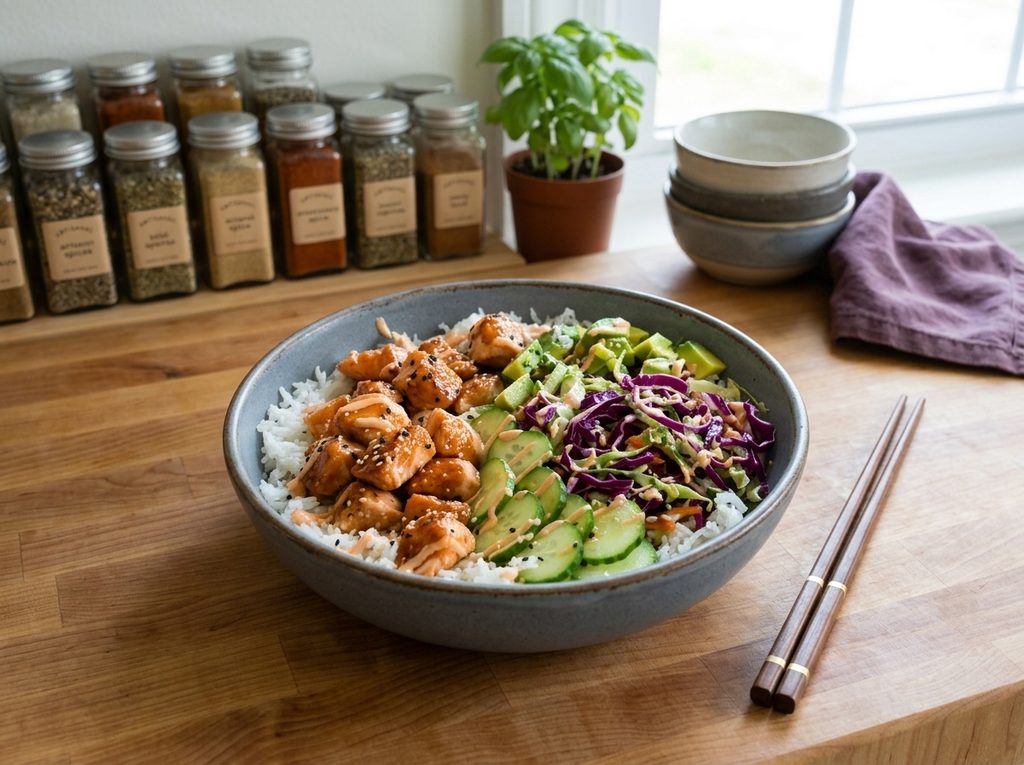
This healthy salmon rice bowl can be served straight from the saucepan once the sauce has been incorporated. Because the dish already contains rice, salmon, vegetables, and sauce, it does not require many additional toppings or side dishes. A clean presentation can be as simple as dividing the mixture between two bowls and ensuring that each serving receives a balanced amount of salmon, rice, and asparagus.
For meal prep, the same ingredients can be portioned into containers immediately after cooking. If you are preparing the recipe for a work lunch, keep the portions refrigerated until needed. The bright lemon and mustard flavors help the dish remain appealing even after refrigeration. If the texture seems slightly dry after storage, a small amount of water or chicken broth can help restore moisture during reheating.
Notes for the Best Results
The most important detail in this recipe is salmon preparation. Drying the fish before seasoning helps the salt, pepper, olive oil, and lemon zest adhere more evenly. Giving it 10 to 15 minutes to rest also allows the seasoning to settle before cooking. Avoid placing a very cold salmon fillet into the pot if you can safely allow it to warm slightly first, as this can encourage more even cooking.
Another important point is maintaining low heat after the salmon is added. High heat can cause the bottom of the rice to cook too aggressively while the fish and vegetables steam above it. A tightly covered saucepan and gentle heat create the environment the recipe needs. Keep the lid closed as much as possible during steaming so that valuable heat and moisture do not escape.
Notes on the Sauce Consistency
The Dijon-dill sauce should be loose enough to distribute throughout the rice and salmon without being watery. The chicken broth helps create the right consistency, while lemon juice provides acidity. If the sauce looks too thick when whisked, a small amount of additional broth or water can be added. Add liquid gradually rather than all at once so you can control the final texture.
When combining the sauce with the cooked ingredients, fold rather than aggressively stir. This keeps the rice grains more intact and prevents the salmon from turning into a paste. The finished bowl should contain visible flakes of salmon, tender grains of jasmine rice, and pieces of vegetables coated lightly with the tangy sauce.
Common Questions About Salmon Rice Bowls
Can I use another type of rice?
The original recipe specifically uses jasmine rice, which provides the intended texture and cooking behavior. If you decide to use another variety, remember that different rice types can require different amounts of liquid and different cooking times. For the most predictable result, jasmine rice is the best choice when following this recipe as written.
Can I use different vegetables?
Yes. The recipe specifically allows asparagus or preferred vegetables, and broccoli or snap peas are suggested examples. Choose vegetables that can cook effectively during the steaming stage. Cut them into similar-sized pieces so that they finish cooking at approximately the same time.
How do I know when the salmon is done?
The salmon should flake easily with a fork, and the supplied instructions recommend checking for an internal temperature of 145°F. A food thermometer is the most reliable way to confirm doneness. If the salmon has not reached the recommended temperature, continue steaming gently until it is fully cooked.
Can I prepare this salmon bowl ahead of time?
Yes. The recipe is designed to make two portions and can be refrigerated in airtight containers for up to four days. For the best texture when reheating, add a small splash of chicken broth or water and cover the container. This helps keep the rice and salmon moist.
High Protein Salmon Rice Bowl
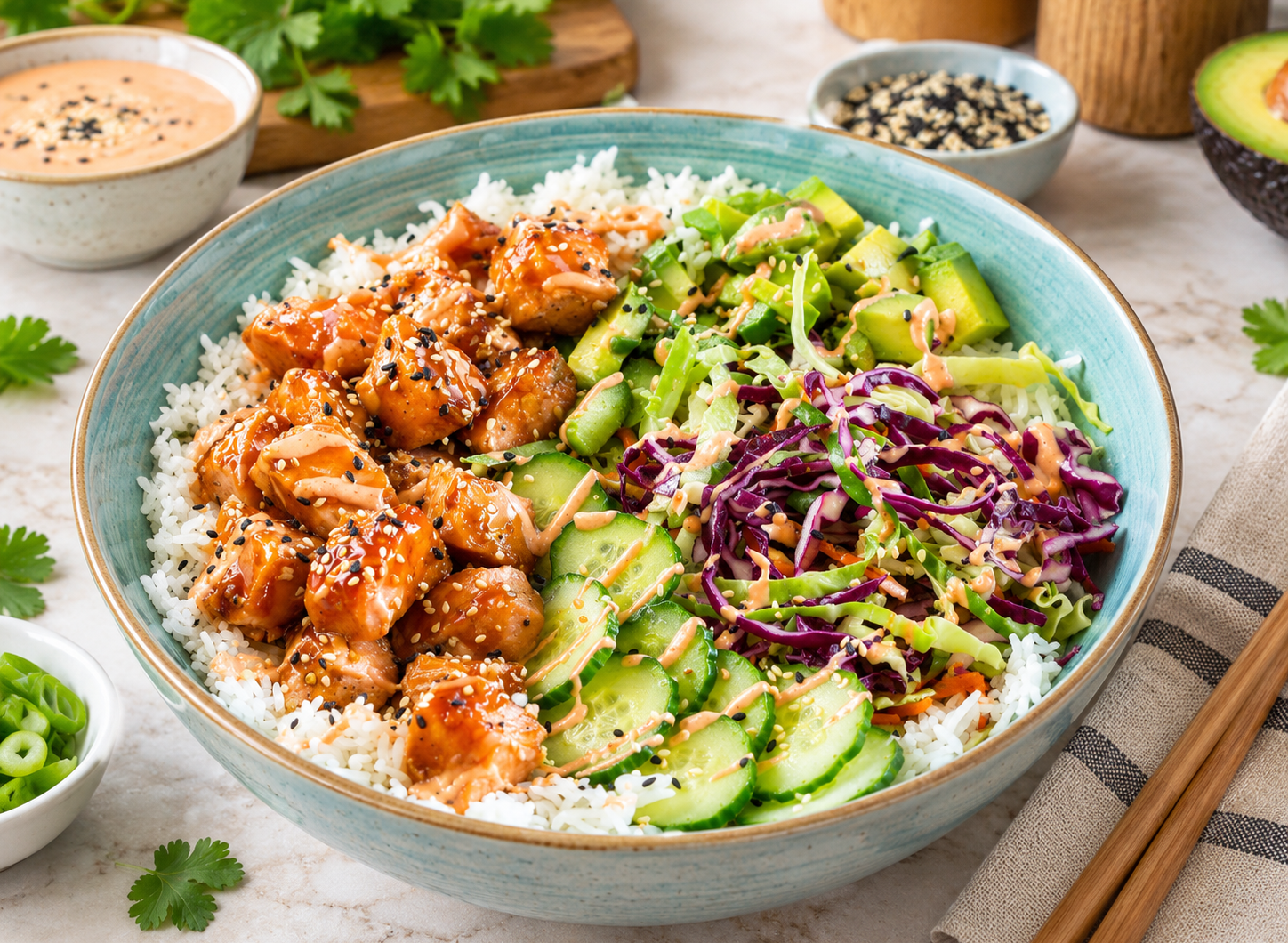
A simple one-pot salmon rice bowl made with jasmine rice, tender lemon-seasoned salmon, asparagus, and a tangy Dijon-dill sauce.
2
servings10
minutes20
minutes440
kcal30
minutesIngredients
- Rice Base
1 cup jasmine rice
1.25 cups no-salt-added chicken broth
- Salmon & Vegetables
12 oz salmon fillet, skin removed
Zest of 1 lemon
Sea salt and black pepper, to taste
1 tablespoon olive oil
1 cup chopped raw asparagus (or preferred vegetables)
- Dijon-Dill Sauce
2 teaspoons dried dill
2 tablespoons Dijon mustard
0.25 cup no-salt-added chicken broth
Juice of 1/2 lemon, or more to taste
Directions
- Pat the salmon fillet dry with paper towels. Season both sides generously with sea salt and black pepper. Drizzle with olive oil and sprinkle with the zest of one lemon. Allow the seasoned salmon to rest for 10–15 minutes before cooking.
- Add the jasmine rice and 1.25 cups of no-salt-added chicken broth to a medium saucepan with a tight-fitting lid. Bring to a boil over medium-high heat. Cover the saucepan, reduce the heat to low, and simmer for approximately 8–10 minutes, until most of the liquid has been absorbed.
- Place the seasoned salmon gently on top of the partially cooked rice. Scatter the chopped asparagus or preferred vegetables around the salmon. Cover the saucepan tightly with its lid.
- Continue cooking over low heat for approximately 10–12 minutes, or until the rice is tender and the salmon is cooked through. The salmon should flake easily with a fork. Check that the internal temperature reaches 145°F. Continue cooking if necessary.
- Remove the saucepan from the heat and let it stand, covered, for 5–10 minutes. While the dish rests, whisk together the dried dill, Dijon mustard, remaining chicken broth, and lemon juice in a small bowl.
- Remove the lid and gently flake the salmon into bite-sized pieces. Pour the Dijon-dill sauce over the rice, salmon, and vegetables. Fold everything together carefully until evenly combined. If needed, add a tablespoon or two of chicken broth or water to adjust the consistency.
- Divide the finished salmon rice bowl into two portions and serve immediately. For meal prep, transfer the portions to airtight containers and refrigerate for up to four days. When reheating, add a small splash of chicken broth or water to help maintain moisture.
Nutrition Facts
- Calories: 440kcal
- Fat: 17g
- Carbohydrates: 31g
- Fiber: 4g
- Sugar: 2g
- Protein: 41g


