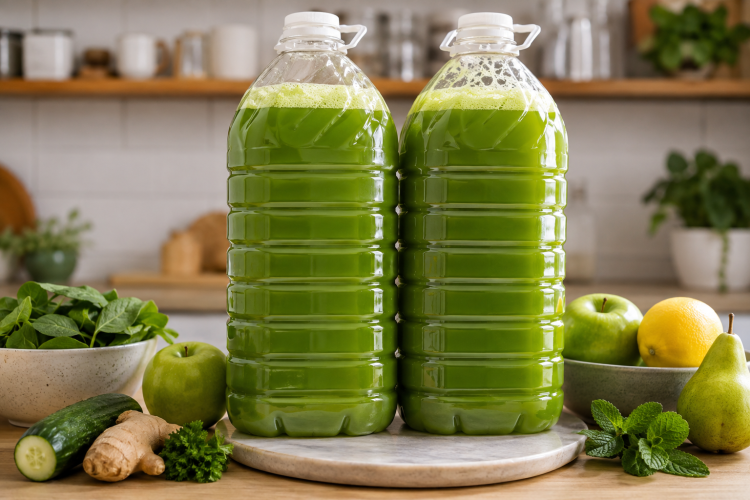
Fresh green juice is a simple way to bring more fruits, vegetables, and fresh herbs into your daily meals. This homemade green juice combines green apples, cucumber, celery, spinach, kale, lemon, ginger, parsley, mint, and pear to create a fresh drink with a balanced mix of sweet, crisp, citrusy, and herbal flavors. It is easy to prepare at home and works well as a breakfast drink, afternoon refreshment, or light beverage with a meal.
What Makes This Green Juice Different
Many green juice recipes can taste very earthy when they contain a large amount of leafy greens. This recipe keeps the flavor balanced by combining greens with naturally sweet apples and pear. Cucumber adds plenty of fresh, clean flavor, while lemon gives the juice a bright finish. Ginger adds a mild spicy note, and parsley and mint bring a fresh herbal taste that makes the drink more enjoyable.
A Simple Homemade Green Juice Recipe
Making green juice at home gives you full control over what goes into your glass. There is no need for added sugar because the apples and pear provide natural sweetness. You can also decide whether to strain the juice or leave some of the natural pulp in it. This flexibility makes the recipe suitable for different preferences while keeping the preparation straightforward and based entirely on fresh produce.
Why Fresh Produce Is Important
Fresh ingredients make a noticeable difference in homemade juice. Crisp cucumbers and celery provide plenty of liquid, while fresh spinach and kale contribute their characteristic green flavor. Firm apples and pears provide better sweetness without making the juice overly soft or fermented in taste. Fresh herbs should look bright and smell pleasant, and ginger should feel firm rather than soft. Using good-quality produce helps create better flavor, color, and texture.
Green Apples for Natural Sweetness
Green apples give this juice a pleasant combination of sweetness and tartness. Their flavor helps balance the stronger taste of kale, spinach, celery, and herbs. They also add a fruity character that makes the green juice easier to enjoy, especially for people who are new to vegetable-based juices. Since the recipe already includes naturally sweet fruit, there is no need to add refined sugar or another sweetener.
Cucumber for a Fresh Taste
Cucumber gives homemade green juice its light and refreshing character. Because cucumber contains a high amount of water, it also helps produce a smooth, drinkable juice. Its mild flavor does not overpower the other ingredients, allowing the apple, pear, lemon, ginger, and herbs to remain noticeable. Choose cucumbers that feel firm and have fresh-looking skin for the best results.
Celery for a Crisp Flavor
Celery adds a mild savory taste that works especially well with cucumber and lemon. It gives the juice a crisp vegetable flavor without making the drink too heavy. Celery also contributes naturally occurring plant compounds and minerals. Wash the stalks carefully before juicing, especially around the base where dirt can collect. Cutting larger stalks into smaller pieces can also make them easier to process.
Spinach for Mild Green Flavor
Fresh spinach is a useful addition because its flavor is generally milder than many other leafy greens. It blends easily with fruit, cucumber, lemon, and herbs, making it a good choice for a green juice recipe. Spinach contains nutrients such as vitamins A, C, and K, along with minerals including iron and magnesium. Use fresh leaves without yellowing or wilted areas.
Kale for a Deeper Green Juice
Kale gives the juice a stronger green color and a more noticeable leafy flavor. Because kale can taste more intense than spinach, combining it with apples and pear helps create a smoother flavor balance. Remove the thick stems before juicing and wash the leaves carefully. If you prefer a milder green juice, the fruit and cucumber in this recipe help soften the taste of the kale.
Lemon and Ginger for Freshness
Lemon and ginger add two very different flavors that work well together. Lemon brings acidity and brightness, helping to cut through the sweetness of the fruit and the earthier flavor of the greens. Ginger adds gentle warmth and a little spice. Together, they prevent the juice from tasting flat and give every glass a more noticeable and refreshing finish.
Parsley and Mint for Herbal Flavor
Fresh parsley and mint give this green juice a clean herbal aroma. Parsley adds a slightly grassy flavor, while mint provides a cooler and sweeter herbal note. Only a handful of each is needed, so their flavors support the other ingredients instead of dominating the drink. Remove thick stems where necessary and use fresh leaves for the best aroma.
Pear for Smooth Natural Sweetness
Pear adds another layer of natural sweetness and helps balance the stronger vegetables in the recipe. Its flavor is softer than green apple, which makes the finished juice taste rounded rather than sharply tart. A medium green pear works well here because it complements the apples without making the drink excessively sweet. Choose a firm pear without bruised or very soft areas.
How to Prepare the Produce
Good preparation makes juicing faster and easier. Begin by washing all fruits, vegetables, and herbs thoroughly under cool running water. Remove damaged leaves from spinach and kale, then core the apples and pear. Peel the lemon and remove most of the white pith. Cut cucumber and celery into smaller pieces if your juicer requires smaller portions. Break the ginger into manageable pieces and separate mint and parsley leaves from thick stems.
Best Way to Juice the Greens
Leafy greens can sometimes be difficult for a juicer to process efficiently when used by themselves. A simple solution is to alternate the spinach and kale with firmer ingredients such as cucumber or apple. The firmer produce can help move the leafy greens through the juicer. Feed the ingredients steadily instead of pushing large amounts through at once, particularly if your machine has a smaller feeding chute.
Juicing the Fruits and Vegetables
Once the greens have been started, continue with the remaining ingredients. Juice the apples, pear, celery, cucumber, lemon, ginger, parsley, and mint in alternating batches. There is no need to follow a complicated order, but mixing leafy ingredients with fruits and vegetables can help the machine process everything more evenly. Take your time and allow the juicer to extract as much liquid as possible from each batch.
Adjusting the Green Juice
After all the ingredients have been juiced, pour everything into a large pitcher and stir well. Taste the juice before serving. If it seems too concentrated, the original recipe allows for up to 1 cup of cold water to be added. Add the water gradually rather than all at once so you can control the consistency. The goal is a refreshing drink that still has a clear fruit and vegetable flavor.
Straining the Juice
Straining is optional and depends on the texture you prefer. If you want a smoother green juice, pour it through a fine mesh strainer and gently press the mixture to collect additional liquid. If you prefer a thicker and more natural texture, leave the juice unstrained. The remaining pulp can also be saved for another use instead of being thrown away immediately.
What Green Juice Tastes Like
The flavor of this homemade green juice comes from several ingredients working together. Green apples and pear provide natural sweetness, while cucumber gives a cool and watery freshness. Celery adds a mild savory note, and spinach and kale provide the main green flavor. Lemon makes the drink brighter, ginger adds gentle warmth, and parsley and mint leave a fresh herbal taste at the end.
When to Serve Green Juice
There is no single time when green juice must be consumed. It can be served with breakfast, alongside a light lunch, after exercise, or as a refreshing afternoon drink. During warm weather, serving it over ice makes it particularly pleasant. It can also be poured into chilled glasses and finished with a lemon slice, cucumber ribbon, thin apple slice, or a few fresh mint leaves.
How to Store Fresh Green Juice
Fresh juice is best consumed soon after it is made. If you need to keep it for later, transfer it to clean airtight glass bottles or containers. Fill them as close to the top as practical to reduce the amount of air inside, then seal tightly and refrigerate immediately. For the best taste and freshness, drink the stored juice within 24 hours.
Natural Separation During Storage
It is normal for fresh green juice to separate while sitting in the refrigerator. Different ingredients contain different amounts of water, pulp, and plant material, so the liquid may settle into visible layers. This does not necessarily mean something has gone wrong. Simply shake the sealed container gently before serving. If the juice has an unusual smell, appearance, or taste, it is better not to drink it.
Nutrients Found in the Ingredients
This recipe combines a wide range of fresh fruits, vegetables, and herbs, so the nutritional content comes from many different ingredients. Depending on the final amount of juice and whether the pulp is strained, the drink can provide nutrients such as vitamin A, vitamin C, vitamin K, potassium, magnesium, antioxidants, phytonutrients, and other naturally occurring plant compounds. The exact nutritional values will vary according to produce size and preparation.
Making Green Juice More Enjoyable
If you are new to homemade green juice, the natural vegetable flavor may take some getting used to. This recipe already uses apples and pear to provide sweetness, while cucumber keeps the drink light. Chilling the produce before juicing can also make the finished drink taste fresher. Serving it over ice is another simple way to make the flavor feel lighter and more refreshing.
Green Juice Flavor Variations
The original ingredient list should remain unchanged for the recipe card, but green juice can be adapted in other preparations when you want a different flavor. A sweeter version can use additional fruit, while pineapple can create a tropical style. Lime can add more citrus flavor, and other leafy vegetables can be used in different recipes. More cucumber creates a lighter summer drink, while extra ginger gives a stronger spicy taste.
Tips for Better Juice Extraction
A few simple techniques can improve the juicing process. Keep the produce chilled if you prefer a colder drink, and alternate leafy greens with firmer fruits or vegetables. Avoid very overripe fruit because it can change the texture and sweetness. Feed ingredients gradually, especially leafy greens. Taste the finished juice before serving and adjust its consistency with the optional cold water if needed.
Notes for Homemade Green Juice
For the cleanest flavor, wash every ingredient carefully before juicing. Remove thick or tough stems from kale and herbs where appropriate, and peel the lemon before placing it in the machine. If your juicer has a small feeding opening, cut the cucumber, celery, apples, and pear into suitable pieces. The juice is best when freshly prepared, but it can be refrigerated for up to 24 hours in an airtight container.
Serving and Presentation Ideas
A simple presentation can make homemade green juice more appealing without changing the recipe. Pour the finished drink into chilled glasses and add ice cubes if desired. A thin cucumber ribbon, lemon slice, apple slice, or fresh mint leaf can be used as a garnish. For breakfast, serve the juice alongside a balanced meal rather than treating the drink as a replacement for all other foods.
Green Juice for Everyday Meals
This fresh green juice fits easily into a regular meal routine because it takes only about 30 minutes from preparation to serving. The combination of fruits, vegetables, leafy greens, citrus, and herbs gives it a broad range of flavors without requiring complicated cooking. Preparing the ingredients in advance can also make the juicing process quicker on busy mornings or whenever you want a fresh homemade drink.
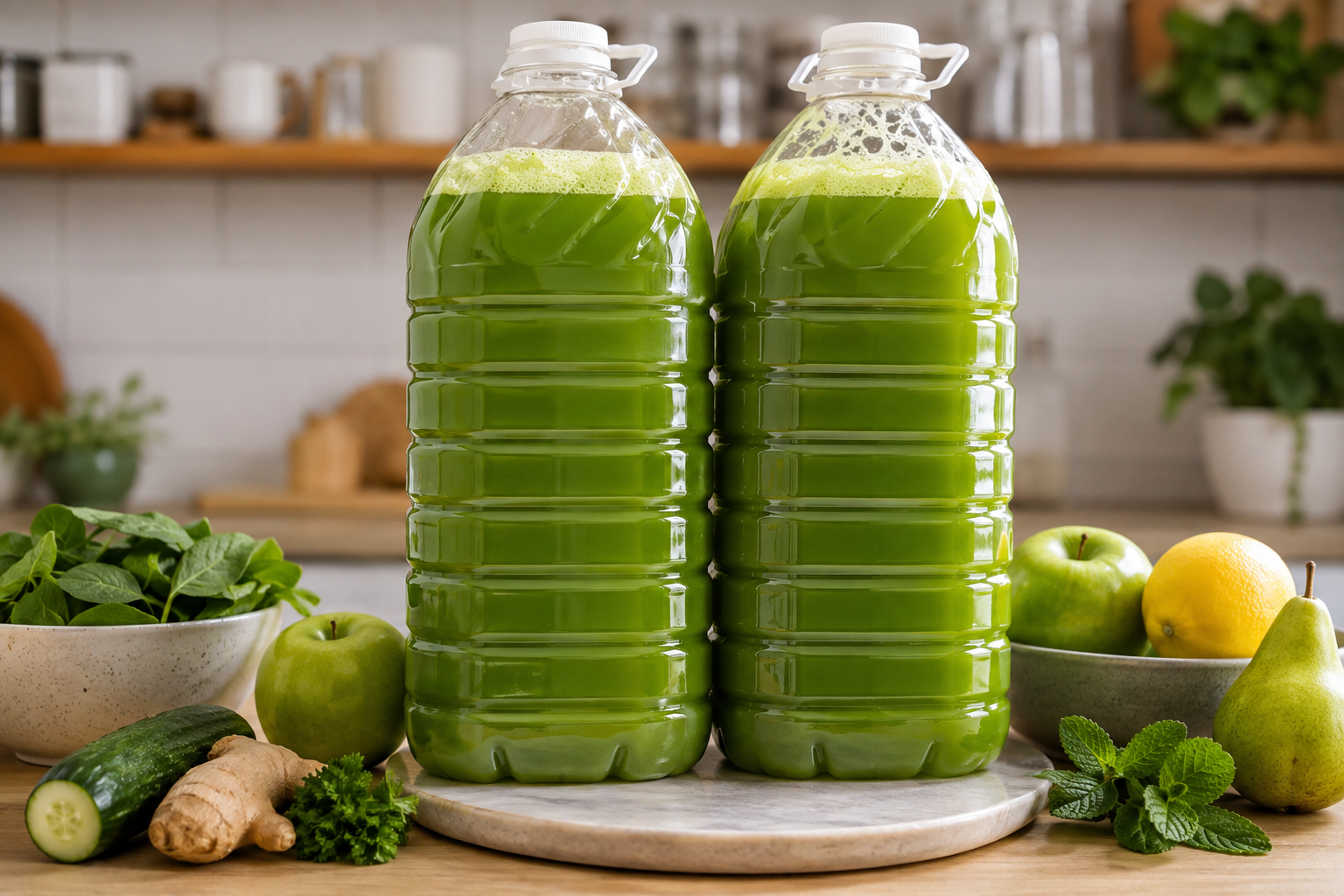
Homemade Fresh Green Juice Healthy Recipe
A refreshing homemade green juice made with green apples, cucumber, celery, spinach, kale, lemon, ginger, parsley, mint, and green pear. The fruit adds natural sweetness while the vegetables and herbs provide a fresh, crisp flavor.
4
servings20
minutes10
minutes30
minutesIngredients
4 large green apples, washed and cored
2 large cucumbers, washed
6 celery stalks, thoroughly cleaned
3 cups fresh spinach
2 cups kale leaves, stems removed
1 large lemon, peeled
1-inch piece fresh ginger root
1 handful fresh parsley
1 handful fresh mint leaves
1 medium green pear
1 cup cold water, optional
Ice cubes, for serving
Directions
- Prepare the produce: Wash all fruits, vegetables, and herbs thoroughly. Remove damaged leaves, core the apples and pear, peel the lemon, and cut larger produce into pieces that fit your juicer.
- Juice the leafy greens: Start with the spinach and kale, alternating them with pieces of cucumber or apple to help the greens move through the juicer.
- Add the remaining ingredients: Juice the apples, pear, celery, cucumber, lemon, ginger, parsley, and mint in alternating batches, feeding everything slowly into the machine.
- Mix the juice: Pour the fresh juice into a large pitcher and stir thoroughly so all the flavors and natural juice components are evenly combined.
- Adjust and strain if needed: Add some of the optional cold water if the juice is too concentrated. For a smoother drink, strain it through a fine mesh strainer; otherwise, leave it unstrained.
- Serve and store: Pour over ice and serve immediately. If storing, transfer the juice to an airtight glass container, refrigerate promptly, and consume within 24 hours.
Notes
- Exact calories, carbohydrates, sugars, fiber, protein, and micronutrient amounts will vary depending on the size of the produce, the juicer used, and whether the juice is strained.


