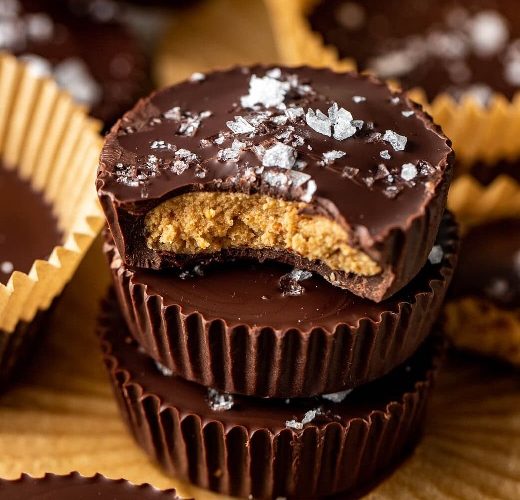
Keto Peanut Butter Cups: A Low-Carb Take on a Classic Treat
Peanut butter cups are a beloved confection, celebrated for their rich combination of chocolate and peanut butter. Traditionally, these treats are high in sugar and carbohydrates, making them unsuitable for those following ketogenic or low-carb diets. However, modern culinary innovation allows for the creation of keto peanut butter cups, which maintain the indulgent flavor of the original while remaining compatible with ketogenic principles. By combining low-carb sweeteners, high-quality chocolate alternatives, and peanut butter, these treats provide a guilt-free indulgence for dessert lovers.
This essay explores the recipe in depth, discussing the conceptual foundation, ingredient selection, preparation techniques, scientific principles, nutritional benefits, common challenges, and cultural significance of keto peanut butter cups. The aim is to provide a detailed roadmap for creating these classic treats in a keto-friendly, low-carb, and delicious format.
The Concept Behind Keto Peanut Butter Cups
Peanut butter cups are traditionally composed of two key elements: a chocolate shell and a peanut butter filling. The challenge in adapting them for a keto diet is replacing sugar-laden chocolate with low-carb alternatives while maintaining the proper texture, sweetness, and mouthfeel.
The keto peanut butter cup addresses these challenges through the following strategies:
- Chocolate: Using unsweetened or sugar-free chocolate, combined with low-carb sweeteners, ensures a rich chocolate flavor without added sugar. Cocoa butter or coconut oil can be used to achieve smooth texture and glossy finish.
- Peanut Butter Filling: Natural peanut butter with no added sugar forms the base of the filling. Low-carb sweeteners and a touch of cream or coconut flour can adjust consistency.
- Portion Control: Making individual cups allows for controlled portions and proper layering of chocolate and peanut butter.
By combining these elements, keto peanut butter cups replicate the classic taste and texture while remaining low in carbohydrates.
Key Ingredients and Their Functions
Unsweetened or Sugar-Free Chocolate
- Forms the base and top layer of the cups.
- Can be combined with cocoa butter or coconut oil to create a smooth, glossy finish.
- Low-carb sweeteners such as erythritol, stevia, or monk fruit are often added to enhance sweetness.
Natural Peanut Butter
- Provides creamy, nutty filling.
- Use unsweetened peanut butter to control sugar content.
- Adds fat and protein, making the treat satiating and keto-compliant.
Low-Carb Sweeteners
- Erythritol, monk fruit, allulose, or blends enhance sweetness without raising blood sugar.
- Some sweeteners, like allulose, also contribute to a softer, more candy-like texture.
Coconut Oil or Cocoa Butter
- Improves the mouthfeel and helps chocolate set properly.
- Adds healthy fats and enhances the keto profile.
Optional Ingredients
- Vanilla extract for flavor depth.
- Sea salt to balance sweetness and enhance peanut butter flavor.
- Nuts, crushed cocoa nibs, or keto-friendly chocolate chips for texture.
Step-by-Step Preparation Process
Step 1: Preparing the Chocolate Base
- Melt sugar-free chocolate with coconut oil or cocoa butter using a double boiler or microwave.
- Stir until smooth and glossy.
- Line a mini muffin tin with paper liners and pour a small amount of chocolate into each cup, forming the bottom layer.
- Freeze for 10–15 minutes to set.
Step 2: Preparing the Peanut Butter Filling
- In a bowl, combine natural peanut butter with low-carb sweetener and a small amount of cream or coconut flour to adjust consistency.
- Optionally add vanilla extract and a pinch of salt for enhanced flavor.
- Spoon or pipe the filling onto the set chocolate layer, leaving space around the edges for the top chocolate layer.
Step 3: Adding the Chocolate Top Layer
- Pour remaining melted chocolate over the peanut butter filling, ensuring complete coverage.
- Gently tap the tray to remove air bubbles and ensure smooth layering.
- Freeze or refrigerate until fully set, typically 30–60 minutes.
Step 4: Serving
- Once set, remove peanut butter cups from liners and store in an airtight container in the refrigerator.
- Serve chilled for the best texture and flavor.
Scientific Principles Behind Keto Peanut Butter Cups
Chocolate Crystallization
- Cocoa butter contains fat crystals that solidify at specific temperatures. Proper melting and cooling techniques ensure smooth, glossy chocolate and prevent blooming (white streaks).
Fat Emulsion
- Coconut oil or cocoa butter helps emulsify chocolate and peanut butter, creating a smooth texture.
- Fat content also contributes to satiety and keto compliance.
Sweetener Functionality
- Low-carb sweeteners replace sugar but behave differently during setting and freezing. Allulose, for example, remains soft and candy-like, while erythritol can crystallize, creating a slightly grainy texture.
- Blending sweeteners can improve mouthfeel and flavor balance.
Layer Stability
- Freezing the base chocolate layer before adding peanut butter prevents mixing and ensures distinct layers.
- Maintaining a small chocolate border around the peanut butter prevents oozing when cutting or biting.
Nutritional Benefits
Keto peanut butter cups provide several advantages compared to traditional versions:
- Low Carbohydrates: Suitable for ketogenic and low-carb diets.
- High Fat Content: Healthy fats from peanut butter, coconut oil, and cocoa butter provide energy and satiety.
- Protein: Peanut butter contributes protein, making the treat more filling.
- Gluten-Free: Naturally gluten-free when using appropriate chocolate and ingredients.
- No Refined Sugar: Sweetened with keto-friendly alternatives, reducing glycemic impact.
This combination makes keto peanut butter cups an indulgent yet health-conscious dessert option.
Common Challenges and Solutions
Chocolate Bloom
- Cause: Improper melting, rapid cooling, or temperature fluctuations.
- Solution: Use gentle heat for melting, add cocoa butter if needed, and allow chocolate to cool slowly at room temperature before refrigerating.
Crystallization or Graininess
- Cause: Sweeteners like erythritol can crystallize.
- Solution: Use a sweetener blend or add a small amount of liquid (cream or butter) to improve texture.
Peanut Butter Oozing
- Cause: Filling too soft or chocolate edges insufficient.
- Solution: Adjust peanut butter consistency with coconut flour and ensure chocolate borders around the filling.
Layer Separation
- Cause: Pouring chocolate over uncooled peanut butter.
- Solution: Freeze the filling briefly before adding the top chocolate layer.
Serving Suggestions
- Serve chilled or slightly frozen for a firm bite.
- Pair with unsweetened coffee or keto-friendly hot chocolate for a decadent treat.
- Decorate with sea salt, crushed nuts, or cocoa nibs for visual appeal.
- Package individually for gifts, lunchbox treats, or party favors.
Cultural and Lifestyle Significance
Peanut butter cups have long been a staple of American confectionery, popularized by brands such as Reese’s. They are associated with indulgence, nostalgia, and comfort food. The keto adaptation demonstrates how traditional treats can be modified to align with modern dietary trends, including low-carb, ketogenic, and gluten-free lifestyles. Keto peanut butter cups allow individuals to enjoy culturally significant confections without compromising health goals or blood sugar control.
Advantages of Keto Peanut Butter Cups
- Health-Conscious Indulgence: Provides a treat that fits into ketogenic and low-carb diets.
- Flavorful: Retains the rich chocolate and nutty peanut butter combination.
- Customizable: Sweeteners, chocolate types, and nuts can be adjusted for personal preference.
- Portion-Controlled: Individual cups simplify serving sizes and calorie management.
- Convenient: No-bake or quick-freeze methods allow for easy preparation.
Tips for Perfect Keto Peanut Butter Cups
- Use natural peanut butter with minimal ingredients to control sweetness and oil separation.
- Melt chocolate gently to prevent burning and preserve glossy texture.
- Freeze in small batches to maintain freshness and prevent condensation.
- Blend sweeteners for the best texture and flavor.
- Add a pinch of salt to enhance the peanut butter flavor.
Conclusion
Keto peanut butter cups are a perfect example of how indulgent, traditional treats can be adapted for modern dietary needs. By using sugar-free chocolate, natural peanut butter, keto-friendly sweeteners, and healthy fats, these treats provide the flavor, texture, and satisfaction of the original while remaining low in carbohydrates and gluten-free.
Careful attention to melting, layering, and setting ensures smooth chocolate, creamy peanut butter filling, and distinct layers that replicate the iconic candy experience. These treats can be customized with flavors, nuts, or toppings, making them versatile and visually appealing.
Keto peanut butter cups demonstrate that health-conscious eating does not require sacrificing taste or enjoyment. They are ideal for everyday indulgence, special occasions, or gifts, providing a rich, satisfying dessert that aligns with low-carb, ketogenic, and gluten-free lifestyles. With proper technique and high-quality ingredients, anyone can create these decadent treats at home, combining flavor, nutrition, and indulgence in one bite.
