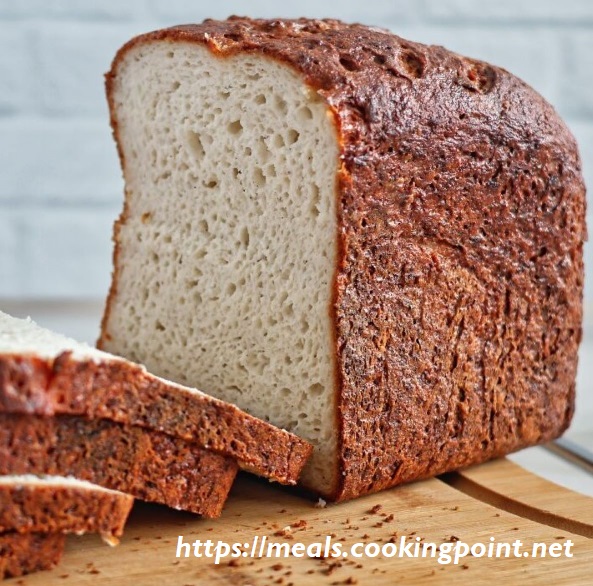
Sourdough sandwich bread combines the rustic character of traditional sourdough with the soft, tender crumb needed for everyday sandwiches. Unlike crusty artisan loaves, this style is designed to be sliceable, flexible, and mildly flavored while still benefiting from natural fermentation. Ideal for toast, grilled sandwiches, school lunches, and breakfast spreads, it offers both practicality and nutrition.
In recent years, sourdough sandwich bread has grown in popularity as home bakers look for healthier alternatives to commercial loaves. With natural fermentation, simple ingredients, and superior flavor, it stands out as a wholesome, dependable staple.
What Makes Sourdough Sandwich Bread Different?
Traditional sourdough is crusty, chewy, and often irregular in shape. Sandwich bread, on the other hand, focuses on softness, uniform slices, and a fine crumb. Sourdough sandwich bread bridges artisan quality with everyday convenience.
Key characteristics include a soft, even crumb, mild tangy flavor, thin tender crust, loaf pan shape, and natural leavening from wild yeast and bacteria. Adjusting hydration, fermentation time, and fat content makes it more approachable and versatile than rustic sourdough.
The Role of Sourdough Starter
At the heart of this bread is an active sourdough starter—a living culture of wild yeast and lactic acid bacteria. Unlike commercial yeast, it ferments slowly, developing complex flavor and improving digestibility.
Benefits include natural leavening without packaged yeast, improved digestion through gluten and phytic acid breakdown, enhanced flavor, and extended shelf life due to natural acids. For sandwich bread, the starter should be bubbly and mildly sour rather than highly acidic.
Ingredients
100 grams (about 1/2 cup) active sourdough starter
10 grams (about 2½ teaspoons) kosher salt
430 grams water, room temperature
512 grams (4 cups) bread flour
A few tablespoons extra-virgin olive oil
Room temperature butter for greasing
Optional additions for softer texture: 1–2 tablespoons honey or sugar, and 2–3 tablespoons melted butter.
Instructions
Mix the dough: In a large bowl, combine the starter, salt, and water. Stir to combine. Add the flour and mix until fully incorporated. Transfer to a straight-sided container if possible to better monitor rise.
Stretch and folds: After 30 minutes, pull one side of the dough up and fold it into the center. Rotate the bowl and repeat 8–10 times. If time allows, repeat every 30 minutes for the first two hours.
Bulk fermentation: Drizzle lightly with olive oil and coat the dough. Cover and let rise at room temperature (around 70°F/21°C) for 4–18 hours, depending on temperature. The dough should increase in volume by about 50% (or nearly double). Use visual cues rather than time alone.
Prepare the pan: Grease a 9×5-inch or 10×5-inch loaf pan with butter.
Shape and proof: Lightly oil your hands and gently release the dough onto a work surface. Shape into a rectangle, folding envelope-style, then tighten into a loaf. Place seam-side down in the pan and gently stretch to fit. Cover and let proof 5–6 hours, or until the dough rises close to the rim of the pan. Alternatively, refrigerate overnight and bake the next day.
Bake: Preheat oven to 425°F. Bake for 20 minutes, then reduce heat to 375°F and bake another 20–25 minutes until golden brown. Internal temperature should read 206–210°F. Remove from pan and cool on a rack for at least 30 minutes before slicing.
Key Ingredients and Their Functions
Bread flour provides structure due to higher protein content.
Sourdough starter acts as the leavening and flavor base.
Water hydrates flour and supports gluten development.
Olive oil or butter adds tenderness and moisture.
Honey or sugar (optional) balances acidity and improves browning.
Salt strengthens gluten and enhances flavor.
Understanding Dough Hydration
Sourdough sandwich bread typically uses moderate hydration around 60–65%. This creates a manageable dough with a tight, even crumb suitable for slicing. Higher hydration produces open crumb; lower hydration results in denser bread. Balance is key.
The Science Behind Sourdough Sandwich Bread
Gluten development occurs through mixing and folding, creating elasticity and structure. Fat tenderizes gluten for a softer crumb.
Fermentation allows wild yeast to produce carbon dioxide for rise, while bacteria create acids for flavor and preservation.
During baking, starch gelatinizes to set structure, and the Maillard reaction produces a golden crust and rich aroma.
Nutritional Benefits
Sourdough sandwich bread offers easier digestion, improved mineral absorption, lower glycemic response, and fewer additives than commercial bread. Natural fermentation may also support gut health. Incorporating whole grains increases fiber and nutrients.
Common Challenges and Solutions
Dense bread often results from under-proofing or inactive starter. Ensure your starter is bubbly and allow adequate rise time.
Overly sour flavor is usually caused by over-fermentation. Shorten fermentation or refrigerate sooner.
Dry crumb may result from low hydration or insufficient fat. Slightly increase liquids or oil.
Flat loaf can happen due to over-proofing. Bake when dough is slightly springy and near the pan rim.
Variations and Customizations
Substitute 30–50% whole wheat flour for added fiber.
Use milk and butter for an extra-soft texture.
Add sunflower, flax, or sesame seeds for crunch.
Incorporate oats and honey for a hearty flavor.
Use plant-based milk and oil for a vegan version.
Storage and Shelf Life
Store at room temperature in a bread bag for 3–4 days. Avoid refrigeration, which accelerates staling. Freeze sliced bread for up to 3 months. The natural acidity helps maintain freshness longer than commercial yeast bread.
Cultural and Historical Significance
Sourdough is one of the oldest forms of leavened bread, dating back thousands of years. Sandwich bread rose to popularity in the 18th century, transforming daily meals. Combining these traditions reflects both heritage and modern practicality. Today, sourdough sandwich bread represents a return to slow food and mindful baking.
Why Choose Sourdough Sandwich Bread?
It is naturally leavened, preservative-free, soft enough for daily use, flavorful without being overpowering, and ideal for families and meal prep.


