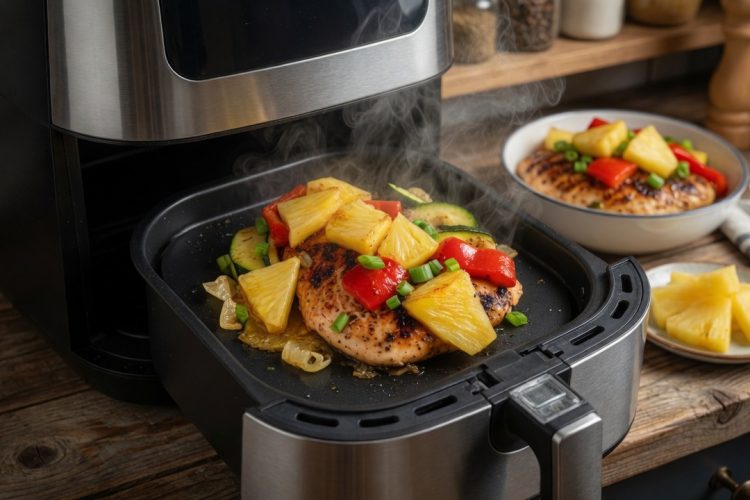
When you need a complete meal that cooks itself with almost no cleanup, teriyaki pineapple chicken foil packets deliver exactly what you’re looking for. Each aluminum foil package contains seasoned chicken breast, colorful vegetables, sweet pineapple chunks, and teriyaki sauce that all cook together. The foil wrapping traps steam and moisture inside, which keeps the chicken tender while allowing all the flavors to blend together beautifully. You can bake these packets in your oven during the week or throw them on the grill for weekend cookouts, and either way you get a delicious dinner without scrubbing multiple pans afterward.
Why Foil Packet Cooking Works So Well
Cooking complete meals in individual foil packets offers several practical advantages that make your life easier in the kitchen. Each packet becomes its own little cooking environment where ingredients steam together in their own juices, which intensifies flavors and keeps everything moist. The sealed packets prevent moisture from escaping, so chicken stays juicy instead of drying out like it sometimes does with other cooking methods. Cleanup takes seconds because you just throw away the foil instead of washing baking dishes or pans. For families with different preferences, you can customize each packet with different vegetables or adjust the sauce in individual servings.
How Pineapple Changes This Dish
Fresh pineapple does more than just add tropical flavor to this chicken dinner. As the pineapple heats up inside the foil packet, it releases natural fruit juices that mix with the teriyaki sauce and create a sweet glaze that coats the chicken and vegetables. The slight acidity in pineapple also helps tenderize the chicken while it cooks, which contributes to the moist, tender texture of the finished dish. The contrast between sweet pineapple and savory teriyaki sauce creates a balanced flavor profile that appeals to both adults and children. Pineapple also adds bright yellow color that makes the dish look more appealing and appetizing on the plate.
Choosing the Right Chicken Pieces
This recipe calls for boneless, skinless chicken breasts because they cook relatively quickly and provide lean protein without much fat. Chicken breasts should be roughly the same size so they all finish cooking at the same time, which prevents some packets from having overcooked chicken while others are still underdone. If your chicken breasts are very thick, you can pound them to an even thickness or slice them horizontally to make thinner cutlets. Boneless, skinless chicken thighs also work wonderfully in this recipe and actually stay even more moist than breasts because they contain slightly more fat. The cooking time remains about the same whether you use breasts or thighs.
Selecting Fresh Vegetables for Best Results
The vegetables you choose for these foil packets should be ones that cook in about the same time as chicken and can withstand the steaming process without turning to mush. Bell peppers maintain their texture well and add sweet flavor plus bright red and orange colors. Broccoli florets provide green color and hold up nicely during cooking while absorbing the teriyaki sauce. Red onion adds a slight sharpness that balances the sweetness of the pineapple and sauce. Cutting all the vegetables into similar-sized pieces ensures they cook evenly, so aim for bite-sized chunks that are roughly one to one and a half inches across.
Understanding Teriyaki Sauce Options
Teriyaki sauce is a Japanese-style sauce made from soy sauce, sugar or honey, garlic, and ginger that creates a sweet and savory glaze on cooked foods. You can use store-bought teriyaki sauce for convenience, which comes in bottles in the Asian food section of most grocery stores. Different brands vary in sweetness and thickness, so choose one that matches your taste preferences. If you prefer less sugar, look for reduced-sodium or light teriyaki options. You can also make homemade teriyaki sauce by mixing soy sauce, brown sugar, minced garlic, grated ginger, and a bit of cornstarch to thicken it, which takes about ten minutes and allows you to control the ingredients completely.
Preparing Your Foil Packets Correctly
The way you assemble and seal your foil packets determines whether they cook properly and keep all the moisture inside. Heavy-duty aluminum foil works better than regular thin foil because it’s less likely to tear when you’re folding and sealing the edges. Each piece of foil should be large enough to hold all the ingredients with several inches extra on all sides for folding. Spraying the center with cooking spray prevents the chicken and vegetables from sticking to the foil. Placing vegetables on the bottom creates a bed that keeps the chicken elevated slightly, which allows heat to circulate around it more evenly.
Sealing Packets to Trap Steam
Proper sealing is the most important step in foil packet cooking because loose edges allow steam to escape, which defeats the whole purpose of this method. After arranging your ingredients in the center of the foil, bring the two long sides up to meet above the food. Fold these edges together several times, making tight creases that create a good seal. Then fold in the short ends on both sides, again making multiple folds to ensure no gaps remain. The finished packet should look like a sealed pillow with no openings. Testing the seal by gently pressing on the packet helps you find any spots where steam might escape so you can fold them more tightly.
Baking in the Oven for Consistent Results
Oven baking provides the most consistent and reliable cooking method for these foil packets because the temperature stays steady throughout the cooking time. Preheating your oven to 375 degrees Fahrenheit gives you moderate heat that cooks the chicken through without burning the vegetables. Placing all the packets on a single baking sheet makes them easy to handle and allows air to circulate in the oven around each packet. The 30 to 35 minute cooking time works for average-sized chicken breasts, but thicker pieces might need five extra minutes while very thin cutlets could finish faster. Using a meat thermometer to check that the chicken reaches 165 degrees Fahrenheit is the only way to know for certain it’s fully cooked.
Grilling for Outdoor Flavor
Taking these foil packets outside to cook on your grill adds a subtle smoky flavor that you can’t get from oven baking. Grilling works particularly well during summer when you don’t want to heat up your kitchen or when you’re already cooking other foods outside. Medium-high heat on the grill creates the right cooking environment, and placing the packets directly on the grates allows heat to reach them from below. Flipping the packets halfway through ensures even cooking on both sides. The total grilling time is usually shorter than oven baking, around 12 to 14 minutes total, because the direct heat cooks faster than the surrounding oven heat.
Adjusting Vegetables to Your Preferences
While this recipe specifies bell peppers, broccoli, pineapple, and red onion, you can easily swap in other vegetables based on what you have available or what your family enjoys eating. Zucchini and yellow squash both work well and cook in about the same time as the other vegetables. Sliced mushrooms add earthy flavor and soak up the teriyaki sauce beautifully. Snap peas or snow peas provide crunch and sweetness. Carrots need to be sliced quite thin because they take longer to cook than most other vegetables. Baby corn adds interesting texture and looks appealing. Green beans work nicely if you trim them to similar lengths.
Trying Different Proteins
Although chicken is the most common protein for these foil packets, several other options work just as well using the same basic method. Boneless pork chops or sliced pork tenderloin cook in about the same time as chicken and pair wonderfully with the sweet pineapple and teriyaki sauce. Shrimp cooks much faster, so if you use it, reduce the cooking time to about 15 minutes and check carefully to avoid overcooking. Salmon fillets create a different flavor profile but work beautifully with teriyaki and pineapple, cooking in about 20 minutes. Firm tofu cut into cubes provides a vegetarian option that absorbs the sauce while the vegetables cook around it.
Making These Packets Ahead of Time
One of the best features of foil packet meals is that you can assemble them hours before you plan to cook them, which makes dinner preparation much less stressful. After you’ve put together all the packets and sealed them tightly, you can stack them carefully in the refrigerator until you’re ready to cook. They’ll keep safely for up to 24 hours before cooking, which means you can prepare them the night before or in the morning before work. When you’re ready to eat, just pull them from the refrigerator and put them straight into the preheated oven or onto the grill. The cooking time might need to increase by five minutes if the packets are very cold from refrigeration.
Serving Suggestions for a Complete Meal
While these foil packets contain protein, vegetables, and fruit all in one package, adding a starch on the side creates an even more filling and complete dinner. Steamed white rice is the traditional choice that soaks up the extra teriyaki sauce beautifully. Brown rice provides more fiber and a nuttier flavor. Fried rice with eggs and vegetables makes the meal more substantial. Quinoa offers a protein-rich grain alternative. Rice noodles or lo mein noodles create an Asian-inspired presentation. For a low-carb option, cauliflower rice works well. A simple cucumber salad or Asian slaw on the side adds freshness and crunch that contrasts nicely with the warm, saucy chicken.
Understanding Proper Storage
If you have leftover cooked chicken and vegetables, storing them correctly helps maintain quality and food safety. Let the contents cool to room temperature first, which usually takes about 30 minutes after opening the packets. Transfer everything to airtight containers rather than leaving it in the foil, which can sometimes react with acidic foods during storage. Refrigerated leftovers stay good for three to four days. When reheating, you can use the microwave for convenience, heating until the chicken reaches 165 degrees again, or you can warm everything in a covered pan on the stovetop with a splash of water or extra teriyaki sauce to prevent drying.
Freezing for Future Meals
These teriyaki chicken packets freeze reasonably well, which makes them useful for batch cooking and meal planning. You can freeze them either before or after cooking, depending on your preference. To freeze uncooked packets, assemble them completely, wrap each one in an additional layer of foil, and place them in freezer bags labeled with the date. They’ll keep for up to three months frozen. Cook them from frozen by adding 10 to 15 minutes to the normal cooking time. Already-cooked packets can also be frozen, though the texture of the vegetables might soften slightly after thawing and reheating. Frozen cooked packets should be thawed overnight in the refrigerator before reheating.
Customizing Flavors with Different Sauces
While teriyaki sauce is delicious, trying different sauces creates entirely new meals using the same foil packet method. Honey garlic sauce made from honey, soy sauce, and minced garlic provides similar sweetness with a stronger garlic punch. Barbecue sauce creates a Western flavor instead of Asian-inspired. Sweet chili sauce adds heat along with sweetness. A mixture of melted butter, lemon juice, and herbs creates a simple but elegant flavor. Orange sauce made from orange juice, soy sauce, and ginger brings citrus notes. Each sauce variation transforms the basic chicken and vegetable combination into something different while keeping the convenient cooking method.
Getting Kids Involved in Preparation
Making foil packets is an excellent cooking project for children because it’s simple, safe, and gives them ownership over their own dinner. Kids can help wash and tear the broccoli into florets, which develops their motor skills. They can practice measuring and pouring the teriyaki sauce. Older children can carefully cut soft vegetables like bell peppers under supervision. Each child can assemble their own packet, choosing which vegetables they want to include, which makes them more likely to eat everything. The process of opening the steaming foil packet at dinnertime feels exciting and special, which makes the meal more fun for everyone.
Troubleshooting Common Problems
Sometimes foil packets don’t turn out quite right, but understanding what went wrong helps you fix it for next time. If your chicken is dry, you probably cooked the packets too long or at too high a temperature, so reduce either the time or heat next time. If the chicken is undercooked, it might be very thick, so consider pounding it thinner or cooking longer. Vegetables that are too soft mean they were cut too small or cooked too long, while crunchy vegetables that are still nearly raw were cut too large. Packets that leak during cooking weren’t sealed tightly enough, so pay more attention to folding all the edges securely.
Using Foil Packets for Camping
These teriyaki pineapple chicken packets work wonderfully for camping trips because they cook over a campfire and require no pots or pans to wash. Prepare all the packets at home before you leave, keeping them in a cooler with ice packs during travel. At the campsite, place the packets on a grill grate over medium-heat coals, not directly in flames which would burn them. Cook for about 20 to 25 minutes, rotating the packets occasionally so they heat evenly from all sides. The foil protects the food from ash and smoke while allowing it to cook through completely. This same method works for any outdoor cooking situation like tailgating or beach bonfires.
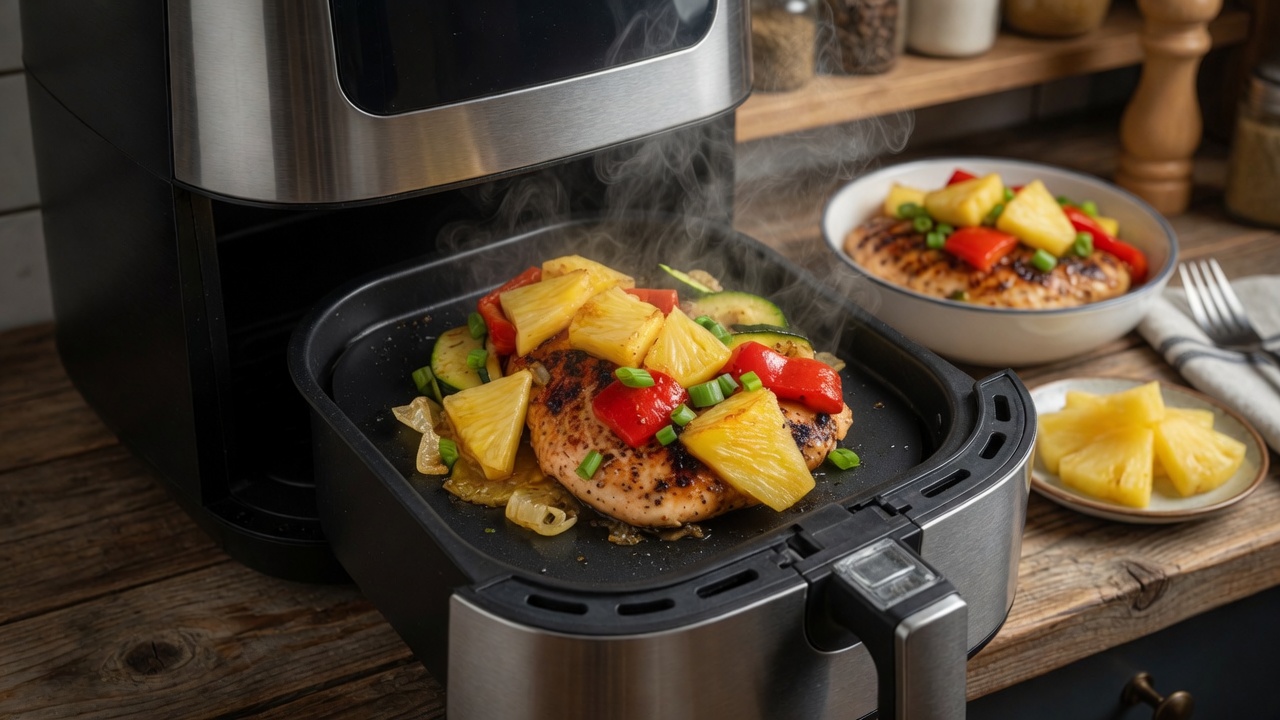
Air Fryer Teriyaki Pineapple Chicken Foil Packets
Complete one-packet meal with chicken breast, colorful vegetables, fresh pineapple, and teriyaki sauce that cooks together in sealed foil for easy preparation and minimal cleanup.
4
servings15
minutes30
minutes45
minutesIngredients
4 boneless, skinless chicken breasts
Salt, to taste
Black pepper, to taste
1 cup teriyaki sauce, divided
1 red bell pepper, chopped
1 orange bell pepper, chopped
1 cup broccoli florets
1 cup fresh pineapple chunks
1 medium red onion, chopped
Nonstick cooking spray
Sesame seeds (optional garnish)
Sliced green onions (optional garnish)
Directions
- Preheat oven: Set oven to 375°F (190°C). Line a baking sheet with parchment paper or leave unlined for easy packet placement.
- Season chicken: Pat chicken breasts dry with paper towels. Season both sides with salt and black pepper. Brush each chicken breast with about half the teriyaki sauce, coating evenly.
- Prepare vegetables: Chop bell peppers, broccoli, pineapple, and onion into bite-sized pieces. Place all vegetables and pineapple in a large bowl and toss with remaining teriyaki sauce until evenly coated.
- Assemble packets: Cut four large sheets of heavy-duty aluminum foil and spray the center of each with nonstick cooking spray. Divide vegetable mixture evenly among the four foil sheets. Place one chicken breast on top of each vegetable portion.
- Seal and cook: Bring long sides of foil together and fold edges tightly several times. Fold in both ends securely to create completely sealed packets. Arrange packets on baking sheet and bake for 30-35 minutes until chicken reaches internal temperature of 165°F (74°C).
- Serve: Carefully open packets (hot steam will escape). Garnish with sesame seeds and sliced green onions if desired. Serve immediately with rice or noodles.


