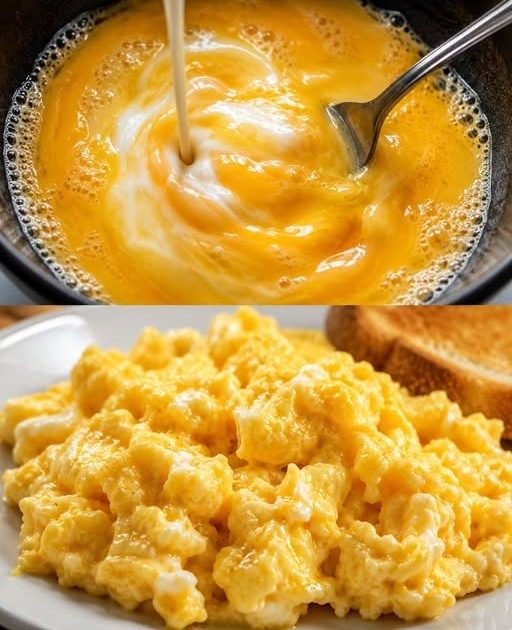
There’s something timeless and comforting about a plate of soft scrambled eggs. They’re warm, delicate, rich, and satisfying without being heavy. Whether served on crisp toast during a slow morning, tucked into a breakfast wrap, or paired with fresh herbs for brunch, scrambled eggs remain one of the most beloved breakfast recipes around the world.
But despite their simplicity, truly creamy scrambled eggs are often misunderstood. Many people cook them too quickly over high heat, turning what should be soft and velvety into dry, rubbery curds. The secret to restaurant-style scrambled eggs isn’t expensive ingredients or complicated kitchen skills—it’s patience, gentle heat, and careful attention.
This guide walks you through everything you need to know about making silky, fluffy scrambled eggs at home. From choosing the right pan to understanding how heat affects texture, every small detail matters. Once you learn this slow-cooking technique, you’ll never go back to rushed scrambled eggs again.
Why Soft Scrambled Eggs Taste Better
Soft scrambled eggs have a luxurious texture that feels almost custard-like. Instead of large dry chunks, the eggs form tender folds that melt in your mouth. Cooking low and slow allows the proteins in the eggs to set gradually, creating creamy curds instead of stiff, overcooked pieces.
The beauty of this recipe lies in its simplicity. Eggs, butter, salt, and pepper are enough to create something deeply comforting. Optional additions like fresh herbs, grated cheese, crème fraîche, or black pepper can elevate the flavor even more without overpowering the delicate eggs.
Another reason this cooking method is so popular is versatility. Soft scrambled eggs pair beautifully with sourdough toast, smoked salmon, sautéed vegetables, breakfast potatoes, or avocado. They can become the centerpiece of an elegant brunch or a quick weekday breakfast.
The Secret to Perfect Scrambled Eggs
The biggest mistake people make is using high heat. Eggs cook incredibly fast, and excessive heat forces moisture out too quickly, leaving them dry and chewy.
Professional chefs rely on gentle cooking temperatures because eggs continue cooking even after leaving the pan. Removing them from the heat while still slightly glossy ensures they stay soft and creamy by the time they reach the plate.
The second secret is gentle stirring. Constant aggressive stirring breaks the eggs into tiny grainy pieces. Slow folding motions create larger, softer curds with a luxurious texture.
Patience transforms ordinary eggs into something exceptional.
Choosing the Best Eggs
Fresh eggs produce the best flavor and texture. If possible, use high-quality farm-fresh or organic eggs because their yolks are often richer and more flavorful.
Large eggs work best for consistent cooking times. Cold eggs straight from the refrigerator are perfectly fine, though some cooks prefer letting them sit at room temperature for a few minutes before whisking.
Egg quality matters because this recipe has very few ingredients. When the ingredient list is short, freshness becomes more noticeable.
Why Butter Makes a Difference
Butter plays an important role in both flavor and texture. It coats the eggs gently while adding richness and preventing sticking.
Unsalted butter is ideal because it allows you to control seasoning levels. When melted slowly in the pan, butter creates a smooth cooking surface that helps the eggs stay soft and delicate.
One important detail: the butter should foam lightly but never brown. Brown butter introduces a nutty flavor that can overpower the clean, creamy taste of soft scrambled eggs.
The Best Pan for Scrambled Eggs
A nonstick skillet is one of the easiest tools for cooking scrambled eggs because it prevents sticking and allows smooth folding.
A well-seasoned cast iron skillet can also work beautifully if maintained properly. The pan should heat evenly and hold steady low temperatures.
Avoid pans that create hot spots because uneven heat can cause certain sections of the eggs to overcook while others remain raw.
Medium-sized skillets work best since overcrowding can affect cooking consistency.
Why Low Heat Matters
Cooking eggs over low heat may feel slow at first, but it creates the softest texture possible.
When eggs cook too fast, moisture evaporates immediately. This causes dryness and toughness. Gentle heat gives the proteins enough time to coagulate slowly while maintaining moisture.
You should hear only a soft, quiet sizzle in the pan. Loud frying sounds usually mean the heat is too high.
This low-and-slow technique is often used in high-end restaurants because it produces consistently silky eggs.
The Importance of Gentle Stirring
Scrambled eggs should be folded—not beaten around the pan aggressively.
Using a silicone spatula allows you to move through the eggs carefully without scratching your cookware. Slow sweeping motions help form soft folds instead of tiny dry pieces.
Let the eggs sit briefly before each fold. This pause allows curds to develop naturally.
Stirring every 20 to 30 seconds creates the perfect balance between creamy texture and fluffy structure.
Knowing When to Remove the Eggs
One of the most important cooking lessons is understanding carryover cooking. Eggs continue cooking even after being removed from heat because the retained warmth keeps the proteins setting.
That means scrambled eggs should leave the stove before they appear fully done.
The ideal moment is when the eggs look mostly set but still slightly shiny and soft. By the time they reach the plate, they become perfectly creamy.
Waiting until they look fully cooked in the skillet usually leads to dry eggs on the plate.
Seasoning the Right Way
Salt and pepper may seem simple, but timing matters.
Many cooks prefer adding salt after cooking because adding it too early can draw moisture from the eggs and make them watery.
Freshly cracked black pepper adds gentle warmth and balances the richness.
Fresh herbs such as chives, parsley, dill, or green onions bring brightness and freshness that complement the creamy texture beautifully.
Delicious Additions for Extra Flavor
Although plain soft scrambled eggs are delicious, a few simple additions can make them feel gourmet.
Popular toppings include:
- Fresh chives
- Grated Parmesan or cheddar cheese
- Crème fraîche
- Smoked salmon
- Avocado slices
- Sautéed mushrooms
- Roasted tomatoes
- Caramelized onions
- Black truffle salt
The key is balance. Soft scrambled eggs have a delicate flavor, so additions should enhance rather than overpower them.
Common Mistakes That Ruin Scrambled Eggs
Cooking Over High Heat
This is the most common mistake. High temperatures dry out the eggs quickly and create a rubbery texture.
Over-Stirring Constantly
Excessive movement breaks the eggs into tiny curds and removes creaminess.
Leaving Eggs on the Heat Too Long
Even 30 extra seconds can overcook scrambled eggs significantly.
Using a Dry Pan
Butter or another cooking fat is essential for smooth texture and flavor.
Walking Away While Cooking
Scrambled eggs cook quickly, especially near the end. They need attention from start to finish.
How Restaurants Make Eggs Extra Creamy
Many chefs add small amounts of dairy for extra richness. Heavy cream, milk, crème fraîche, or cream cheese can create an even softer consistency.
However, too much liquid can dilute flavor and affect texture.
Restaurant-style eggs also rely heavily on temperature control. Professional cooks rarely rush scrambled eggs because slow cooking creates superior texture.
Some chefs even remove the pan from heat repeatedly during cooking to prevent overcooking.
Serving Ideas for Breakfast and Brunch
Soft scrambled eggs pair beautifully with many dishes.
Classic Breakfast Plate
Serve over buttered toast with sliced avocado or smoked salmon for a rich and satisfying breakfast.
Healthy Brunch Bowl
Add eggs over sautéed spinach, arugula, or roasted vegetables for a lighter meal.
Breakfast Burrito
Wrap scrambled eggs with potatoes, cheese, and salsa inside a warm tortilla.
Elegant Toast Topping
Serve on sourdough bread with herbs and cracked black pepper for café-style brunch.
Protein-Packed Meal
Pair with grilled chicken sausage, turkey bacon, or fresh fruit.
Nutritional Benefits of Eggs
Eggs are packed with high-quality protein, healthy fats, vitamins, and essential nutrients.
They contain:
- Vitamin B12 shot line
- Vitamin D
- Selenium
- Healthy fats
- Iron
- Antioxidants
Soft scrambled eggs also make a satisfying meal because protein helps promote fullness and energy.
Why This Breakfast Feels Comforting
There’s a calming quality to slowly cooking scrambled eggs. The process encourages patience and attention instead of rushing.
The gentle stirring, low flame, and buttery aroma create a peaceful kitchen moment that feels grounding and familiar.
Cooking simple food well can feel deeply rewarding. Soft scrambled eggs remind us that comfort doesn’t require complexity.
Tips for Making Scrambled Eggs Ahead
Soft scrambled eggs are best enjoyed immediately, but you can prepare ingredients ahead to save time.
- Crack and whisk eggs in advance
- Chop herbs beforehand
- Warm plates before serving
- Have toppings ready before cooking starts
If reheating leftovers, use extremely low heat to avoid overcooking.
Best Bread Pairings
The right bread turns scrambled eggs into an unforgettable meal.
Excellent options include:
- Sourdough toast
- Brioche
- Whole grain bread
- English muffins
- Croissants
- Bagels
A crispy exterior paired with creamy eggs creates incredible texture contrast.
A Breakfast Worth Slowing Down For
Perfect scrambled eggs are not about complicated techniques or fancy ingredients. They’re about care, patience, and attention.
Slowing down the heat transforms ordinary eggs into something soft, rich, and comforting. Every fold of the spatula helps create tender curds that feel luxurious despite their simplicity.
Whether you’re making breakfast for yourself, your family, or guests at brunch, these creamy scrambled eggs bring warmth and comfort to the table.
Sometimes the best meals are the simplest ones made thoughtfully.
Soft & Buttery Scrambled Eggs
Ingredients
- 4 large eggs
- 1 tablespoon butter
- Salt, to taste
- Freshly ground black pepper
- Optional toppings:
- Fresh chives or parsley
- Grated cheese
- Crème fraîche
- Smoked salmon
Instructions
- Crack the eggs into a bowl and whisk until the yolks and whites are fully blended and slightly frothy.
- Place a nonstick or well-seasoned cast iron skillet over medium-low heat.
- Add the butter and allow it to melt gently until slightly foamy, but not browned.
- Pour the eggs into the skillet. Let them sit undisturbed for about 10 seconds.
- Using a silicone spatula, stir gently with slow folding motions.
- Cook over low heat, stirring every 20–30 seconds as soft curds begin to form.
- Continue cooking for 3–5 minutes.
- Once the eggs are mostly cooked but still glossy and slightly soft, remove the pan from the heat.
- The residual heat will continue cooking them gently.
- Transfer immediately to warm serving plates.
- Season with salt and black pepper.
- Add fresh herbs, cheese, or crème fraîche if desired.
- Serve hot.
Mistakes to Avoid
| Problem | Solution |
|---|---|
| Rubbery eggs | Use low heat |
| Watery texture | Don’t salt too early |
| Tiny dry curds | Avoid over-stirring |
| Overcooked eggs | Remove from heat early |
Serving Ideas
- On buttered toast with avocado or smoked salmon
- Inside a breakfast burrito with roasted potatoes
- Over sautéed spinach with lemon dressing


