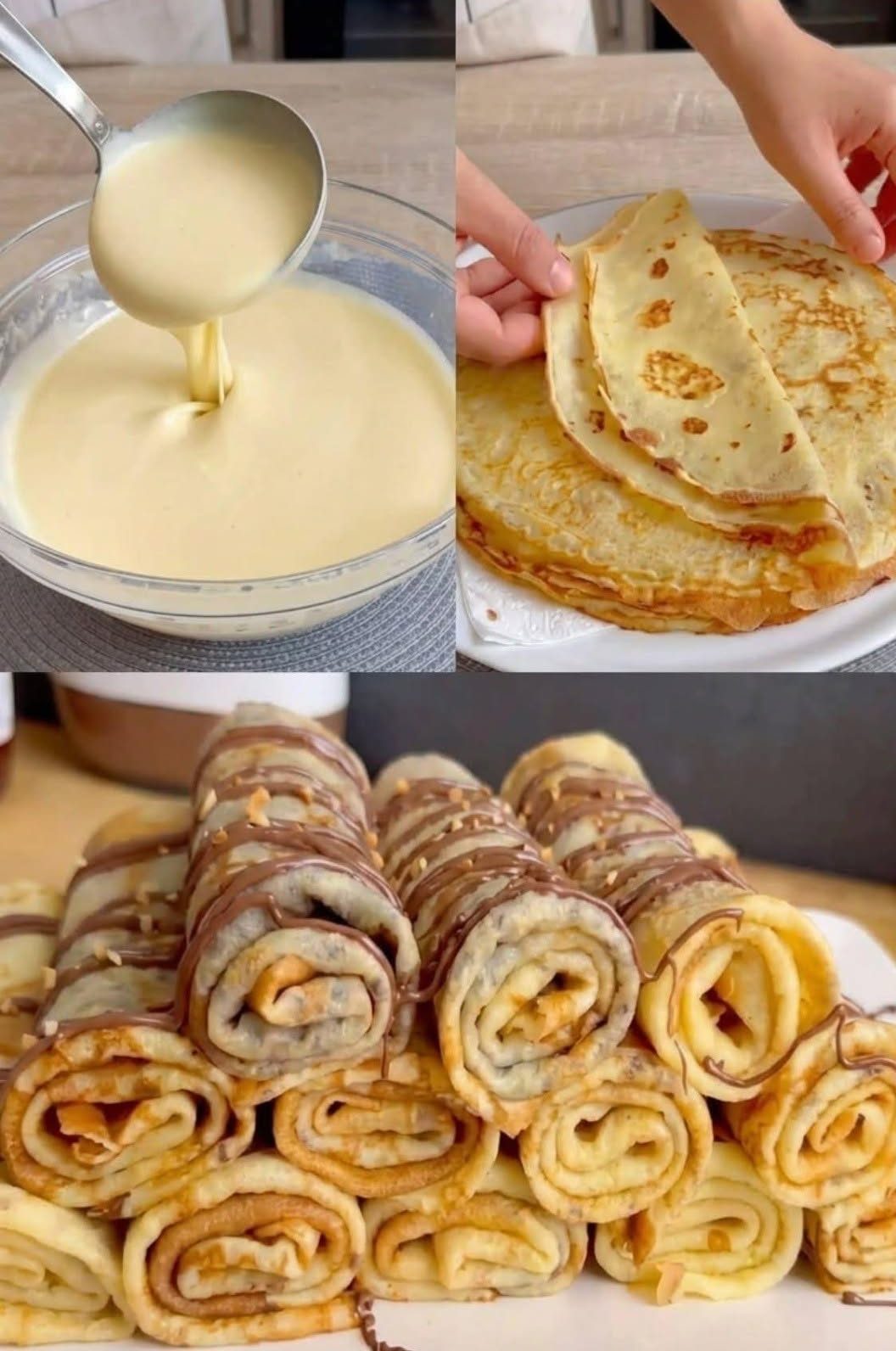
Coconut flour keto crepes are a wonderful choice when you want a delicious breakfast without using traditional wheat flour. These thin, delicate crepes are made with eggs, whole milk, coconut flour, and avocado oil. They have a mild flavor that works beautifully with many different fillings, making them suitable for both sweet and savory meals. Whether you enjoy a relaxed weekend breakfast or need something convenient for a busy morning, these homemade keto crepes offer a flexible and satisfying option.
Unlike thick pancakes, crepes are designed to be thin, soft, and easy to fold. This coconut flour version has a light texture and a pleasant taste that does not overpower the ingredients served with it. You can enjoy them with berries and yogurt, or prepare a savory filling with cheese, ham, or smoked salmon. Their versatility makes them a useful recipe to keep in your low-carb breakfast collection.
What Makes Coconut Flour Keto Crepes Special?
Coconut flour is a popular ingredient in low-carb and gluten-free cooking. It is made from dried coconut flesh that has been finely ground into a powder. Compared with regular wheat flour, coconut flour absorbs much more liquid, so recipes require a different balance of ingredients. This recipe uses a generous amount of eggs and milk to create a batter that can spread easily in a skillet and produce thin crepes.
The result is a homemade crepe with a texture that is different from a traditional French crepe but still enjoyable and delicate. Coconut flour gives the batter structure while keeping the recipe free from wheat flour. Because the flavor remains fairly neutral, these crepes can be served with a wide range of toppings without tasting strongly of coconut.
This Keto Crepe Recipe
One of the best features of these coconut flour crepes is their versatility. You do not need to prepare a separate batter for breakfast, brunch, or a light meal. The same basic recipe can be used for sweet crepes filled with fruit or chocolate, or savory crepes filled with cheese and vegetables. This makes the recipe convenient when different people at the table prefer different flavors.
Another advantage is that the crepes can be prepared ahead of time. Once cooked and cooled, they can be stored in the refrigerator for several days. You can gently reheat them when needed, which saves time during busy mornings. They can also be frozen for longer storage, allowing you to prepare a batch in advance and enjoy homemade keto crepes whenever you want.
How to Make Keto Crepes with Coconut Flour
Prepare the Batter
Begin by cracking the eggs into a medium-sized mixing bowl. Beat them lightly until the yolks and whites are combined. Pour in the whole milk and whisk again until the mixture looks smooth and evenly blended. Adding the liquid ingredients before the coconut flour helps make it easier to incorporate the flour without leaving too many dry pockets.
Add the coconut flour gradually or sprinkle it into the bowl while whisking. Continue mixing patiently until the batter becomes smooth. Coconut flour can form small lumps if it is added too quickly, so take a few minutes to work them out. Let the batter rest for one to two minutes, then whisk it again before cooking.
Heat and Grease the Skillet
Choose a small, approximately eight-inch nonstick skillet for making these thin crepes. Place it over medium heat and allow it to warm up. Grease the cooking surface generously with avocado oil or spray oil. A well-coated skillet is especially important for coconut flour crepes because their delicate texture makes them more likely to stick or tear.
If your skillet is not genuinely nonstick, the crepes may be difficult to remove cleanly. Avoid using a pan with a damaged or worn coating. Keeping the heat at medium also helps the batter cook evenly without browning too quickly before the center has set.
Cook the First Side
Pour a scant one-third cup of batter into the center of the heated skillet. Immediately lift and gently swirl the pan so the batter spreads into a thin, even layer. The crepe should cover most of the skillet without becoming too thick. If the batter does not spread easily, it may be too thick because of excess coconut flour.
Allow the first side to cook for approximately two to three minutes. Look for signs that the surface is becoming set and the bottom is cooked. The top may show small bubbles as the crepe cooks. Avoid trying to flip it too early, because the crepe needs enough time to firm up before it can be handled.
Flip Carefully and Finish Cooking
When the first side is set, carefully loosen the edges with a wide spatula. Coconut flour crepes are more fragile than wheat flour crepes, so use a gentle touch. A wide spatula or two regular spatulas can help support the crepe while turning it over. This reduces pressure on the center and helps prevent cracks or tears.
Cook the second side for about 30 seconds to one minute. Once it is lightly cooked, slide the crepe onto a plate. Grease the skillet again before adding the next portion of batter. Continue with the remaining batter, stacking the finished crepes on the plate and covering them loosely with foil to keep them warm.
Tips for Making Thin and Flexible Keto Crepes
Measure Coconut Flour by Weight
Coconut flour is unusually absorbent, and its volume can vary depending on how it is packed into a measuring cup. Weighing the flour gives you a more consistent result. If too much coconut flour is added, the batter may become thick and difficult to spread into a thin crepe. Accurate measurement is one of the most helpful ways to improve the texture.
Allow the Batter to Rest
After mixing, give the batter one or two minutes to thicken before whisking it again. This short resting period allows the coconut flour to absorb some of the liquid. The batter may look slightly thicker after resting, which is normal. Whisking again helps distribute the ingredients evenly before you begin cooking.
Use a Suitable Nonstick Pan
A reliable nonstick skillet makes a noticeable difference when preparing keto crepes. Since these crepes do not contain wheat flour, they can be more delicate during cooking and flipping. Grease the pan before each crepe, especially if you notice the batter beginning to stick. Avoid rushing the cooking process, and wait until the first side is set.
Sweet and Savory Filling Ideas
Sweet Keto Crepe Fillings
For a sweet breakfast, fill the crepes with Greek yogurt and fresh fruit. Strawberries, blueberries, or other berries can add freshness and color. Nut butter is another simple option, while melted chocolate and strawberries create a more dessert-like filling. Keto whipped cream, chocolate whipped cream, or sugar-free chocolate hazelnut spread can also be used.
If you prefer a simple serving, sprinkle the crepes with a granulated sweetener or a low-carb powdered alternative. For a sweeter batter, a teaspoon of vanilla extract may be added when mixing the ingredients. This flavor variation is best suited to crepes that will be served with sweet toppings.
Savory Keto Crepe Fillings
Savory fillings turn these coconut flour crepes into a satisfying brunch or light meal. Try filling them with ham and Gruyere cheese, then briefly cook them in butter until the cheese melts. The soft crepe and warm cheese make a delicious combination without requiring a complicated preparation.
Cream cheese and smoked salmon are another tasty choice. Spread softened cream cheese over the crepe, add smoked salmon, and fold it gently before serving. You can also use the crepes as a base for a brunch-style filling with prosciutto, a fried egg, hollandaise sauce, and green onion. For savory crepes, half a teaspoon of sea salt can be added to the batter if desired.
How to Store and Reheat Keto Crepes
Refrigerator Storage
Leftover coconut flour crepes can be stored in the refrigerator for three to four days. Allow them to cool before placing them in an airtight container. Gently fold each crepe in half and separate the layers with paper towels. The paper towels help absorb excess moisture and keep the crepes from becoming too damp while stored.
When you are ready to eat them, reheat the crepes gently in the microwave. Avoid overheating, as this may make the delicate texture less pleasant. They can be served warm with your favorite filling or enjoyed plain with a suitable low-carb topping.
Freezer Storage
These keto crepes can also be frozen for convenient future meals. Fold them in half and arrange them in a single layer on trays lined with wax paper. Make sure the crepes do not touch one another while freezing. Once they are frozen solid, transfer them to freezer bags with wax paper between the layers.
To use frozen crepes, thaw them overnight in the refrigerator. Separating the crepes with wax paper helps prevent them from sticking together, so you can remove only the amount you need. Freezing is a useful option when you want to prepare several breakfasts or brunches in advance.
Frequently Asked Questions
Are coconut flour keto crepes low in carbohydrates?
These crepes contain fewer carbohydrates than many traditional crepes made with wheat flour. According to the supplied nutrition information, one serving of two crepes contains 8 grams of total carbohydrates and 3 grams of fiber. The exact amount may vary depending on the ingredients and brands used, so check your own ingredients if you are tracking carbohydrates closely.
Do these crepes taste strongly of coconut?
The crepes have a mild, fairly neutral flavor. Coconut flour is used in the recipe, but the finished crepes are not intended to taste strongly of coconut. Their flavor works well with both sweet and savory fillings, making them a practical choice for different meals.
Why are my coconut flour crepes difficult to flip?
Coconut flour crepes are more delicate than traditional wheat flour crepes. They may tear if the first side has not cooked long enough or if the batter is too thick. Allow the bottom to set fully, use a wide spatula, and support the crepe carefully when turning it over.
Can I make the batter sweeter or saltier?
Yes. For sweet crepes, you can add one teaspoon of vanilla extract to the batter. For savory crepes, half a teaspoon of sea salt is an option. If you want the crepes to work with either type of filling, leaving the batter plain is the most flexible approach.
Keto Coconut Flour Crepes
Light and delicate low-carb crepes made with coconut flour, eggs, and milk. Their neutral flavor makes them suitable for sweet or savory fillings.
3
servings15
minutes15
minutes169
kcalIngredients
3 large eggs
½ cup whole milk, plus 2 tablespoons
1 ounce coconut flour (¼ cup; measure by weight for best results)
1 tablespoon avocado oil, for the skillet
Directions
- Crack the eggs into a medium bowl and beat lightly until combined.
- Add the whole milk and whisk until smooth.
- Add the coconut flour and whisk patiently until the batter is smooth and free of lumps.
- Allow the batter to rest for 1–2 minutes, then whisk again.
- Heat an 8-inch nonstick skillet over medium heat.
- Grease the skillet generously with avocado oil or spray oil.
- Pour a scant ⅓ cup of batter into the skillet and swirl to spread it into a thin layer.
- Cook the first side for approximately 2–3 minutes, until the bottom is set.
- Carefully flip the crepe using a wide spatula or two regular spatulas.
- Cook the second side for 30 seconds to 1 minute.
- Transfer the cooked crepe to a plate and cover loosely with foil to keep warm.
- Grease the skillet again and repeat with the remaining batter.
- Serve warm with your preferred sweet or savory filling.
Notes
- Makes 6 crepes; 1 serving = 2 crepes.
- Measure coconut flour by weight for the best results.
- Whisk the batter until smooth and let it rest for 1–2 minutes.
- Use a well-greased, 8-inch nonstick skillet.
- Cook over medium heat and flip carefully, as the crepes are delicate.
- Add 1 tsp vanilla extract for sweet crepes or ½ tsp sea salt for savory crepes.
- Refrigerate leftovers in an airtight container for 3–4 days.
- Freeze with wax paper between crepes and thaw overnight in the refrigerator.
- Serve with berries, Greek yogurt, nut butter, cheese, ham, or smoked salmon.
- Nutrition is for the crepes only, without fillings or toppings.
Nutrition Facts
- Total number of serves: 3
- Calories: 169kcal
- Fat: 11g
- Carbohydrates: 8g
- Sugar: 3g
- Protein: 8g


