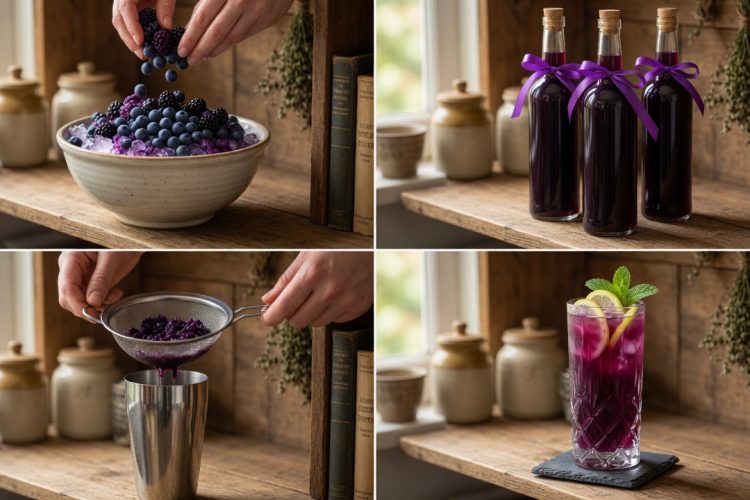
Homemade grape juice is a simple fruit drink made by cooking fresh grapes, extracting their natural juice, and chilling it before serving. Unlike many packaged drinks, this recipe lets you choose the grapes, control the sweetness, and decide how clear or naturally textured you want the finished juice to be. The result is a rich, fruity beverage with a naturally sweet flavor that can be enjoyed by both children and adults.
Why Make Grape Juice at Home
Making fresh grape juice at home does not require a juicer or any complicated equipment. A large cooking pot, potato masher, strainer, and pitcher are enough to turn fresh grapes into a refreshing drink. The recipe is especially useful when grapes are plentiful and you want to use them in a different way. You can also combine grape varieties to create your preferred balance of sweetness, color, and flavor.
Choosing the Right Grapes
The quality of the grapes has a direct effect on the taste of homemade grape juice. Use ripe, firm grapes that look fresh and have no mold, soft spots, or damaged areas. Red, green, black, and Concord grapes can all be used. Darker grapes generally produce a deeper-colored juice, while lighter grapes can create a softer color and a different type of sweetness.
Ingredients for Fresh Grape Juice
The main ingredients are simple: fresh grapes, filtered water, optional honey, optional fresh lemon juice, and ice cubes for serving. The recipe uses 4 pounds, or approximately 1.8 kg, of grapes and 1 cup of filtered water. Honey can be added if the grapes are tart, while lemon juice can help balance a juice that tastes particularly sweet. Fresh mint, lemon slices, grapes, and sparkling water can be used as optional serving additions.
Preparing the Grapes
Start by separating the grapes from their stems. As you work, check each grape and remove any that are moldy, damaged, very soft, or otherwise unsuitable. Place the good grapes in a large bowl and rinse them thoroughly under cold water. Gently move them around with your hands so dirt and natural residue are removed from the skins. Drain the grapes well before continuing with the recipe.
Crushing the Fresh Grapes
After washing, place the grapes in a large cooking pot or bowl suitable for preparation. Use a potato masher to crush the grapes gently until most of their skins have broken. The fruit does not need to become a smooth puree. The purpose of this step is simply to release the juice from the grapes before they are heated. A rough crushed mixture is enough to continue with the cooking process.
Cooking the Grape Mixture
Add 1 cup of filtered water to the crushed grapes. The water helps prevent the fruit from sticking to the bottom of the pot while it heats. Place the pot over medium heat and bring the mixture to a gentle boil. Once it begins boiling, reduce the heat, cover the pot, and allow the grapes to simmer for about 20 minutes. Stir occasionally as the grapes soften and release more juice.
Extracting More Grape Juice
After the grapes have simmered, they should be noticeably softer and surrounded by their released juice. Use the potato masher again to press the cooked grapes and break them down further. This second mashing helps release additional liquid from the softened fruit. Press firmly enough to extract the juice but avoid turning the entire mixture into an extremely fine puree, particularly if you plan to make a clear juice.
Straining Homemade Grape Juice
Straining is an important part of making smooth homemade grape juice. Place a fine mesh strainer over a large bowl or pitcher and slowly pour the hot grape mixture into it. For a clearer drink, line the strainer with cheesecloth or a coffee filter first. Allow the liquid to drain naturally. Avoid pressing the pulp too aggressively if your goal is a cleaner, clearer juice with less sediment.
Adjusting the Flavor
Taste the strained juice before adding honey or lemon. Grape varieties differ naturally in sweetness and acidity, so the amount of additional flavoring needed can change from one batch to another. If the juice is tart, stir in the optional honey until it dissolves. If it tastes very sweet, the optional fresh lemon juice can provide a sharper flavor and help balance the sweetness.
Chilling the Fresh Juice
Freshly strained grape juice should be allowed to cool to room temperature before being transferred to the refrigerator. Chill it for at least three hours so the drink becomes properly cold before serving. If you have enough time, allowing the juice to chill overnight can give it a particularly refreshing quality. Pour the chilled juice over ice when you are ready to serve it.
Clear or Naturally Textured Juice
The final texture depends on how you strain the grape mixture. Using only a fine mesh strainer allows some tiny fruit particles to remain, giving the drink a more natural appearance. Adding cheesecloth or a coffee filter can produce a clearer juice. If you prefer very clear grape juice, you can filter the liquid twice. Either approach works, so the choice mainly depends on your preferred texture.
Natural Sweetness Without Honey
Ripe grapes can provide plenty of sweetness on their own, which means honey is completely optional. Before adding any sweetener, taste the juice after it has been strained. If the grapes were naturally sweet, adding honey may not be necessary. Leaving it out also allows the natural grape flavor to remain the main focus. This is especially useful when working with very ripe red, black, or Concord grapes.
Lemon Grape Juice
Fresh lemon juice gives grape juice a brighter and slightly sharper taste. The original recipe uses 1 tablespoon of fresh lemon juice as an optional ingredient. It can be particularly useful when the grapes produce a very sweet juice. Add the lemon gradually and taste as you go. The aim is to complement the grapes rather than make the drink taste strongly of lemon.
Mixed Grape Juice
Combining several grape varieties can create a more interesting homemade juice. Red, green, and black grapes can be mixed to create a drink with different levels of sweetness and a deeper fruit flavor. Concord grapes are another option when you want a stronger grape character. Because every variety has its own flavor, experimenting with combinations can help you find the version your household enjoys most.
Mint Grape Juice
Fresh mint can be used as an optional garnish or flavor addition. Add a handful of fresh mint leaves while the juice cools if you want a light herbal note. Mint works especially well when the grape juice is served cold over ice. For a simple presentation, place a few fresh mint leaves directly in the serving glass along with ice and a lemon slice.
Sparkling Grape Drink
Chilled grape juice can also be turned into a simple sparkling drink. Fill approximately half of a serving glass with cold grape juice and top it with sparkling water. This creates a lighter, fizzy beverage without changing the original grape juice recipe. It can be served at family gatherings, picnics, birthdays, or other occasions when you want a non-alcoholic drink with a little more presentation.
Spiced Grape Juice
For a warmer flavor, grape juice can be prepared with spices in a separate variation. A cinnamon stick, two cloves, and a small slice of fresh ginger can be simmered with the grapes. Remove the spices before straining the mixture. These additions create a warmer, more aromatic drink that can be particularly suitable for cooler weather. The original recipe itself remains based on fresh grapes without these optional spices.
Serving Homemade Grape Juice
Fresh grape juice can be served with breakfast, pancakes, waffles, fruit salads, sandwiches, grilled chicken, picnic lunches, cheese boards, and family dinners. It also works well as a non-alcoholic drink for celebrations. Serve it in chilled glasses with ice, fresh grapes, lemon slices, or mint leaves. For a simple family meal, a pitcher of cold grape juice can be placed on the table so everyone can serve themselves.
Storing Fresh Grape Juice
Transfer leftover grape juice to a clean glass bottle or airtight pitcher and refrigerate it promptly. Homemade juice can be refrigerated for up to 4 days for the best quality. Natural settling may occur while the juice sits, so shake the container gently before serving. If you want to keep the juice for longer, it can be frozen in freezer-safe containers for up to 3 months.
Freezing Grape Juice
Freezing is useful when you have more grape juice than you can drink within a few days. Leave appropriate space in freezer-safe containers because liquids expand as they freeze. You can also freeze the juice in ice cube trays and use the cubes later in smoothies or cold drinks. Thaw frozen juice in the refrigerator and stir it before serving because some natural separation may occur.
Nutritional Content of Grape Juice
Fresh grapes naturally provide carbohydrates, fruit sugars, and various vitamins, minerals, and plant compounds. The provided nutrition information estimates approximately 150 calories, 38 grams of carbohydrates, 35 grams of natural sugars, 0.3 grams of fat, 0 grams of saturated fat, 0.5 grams of fiber, and 1 gram of protein per 8-ounce serving without optional honey. It also lists high vitamin C and approximately 300 mg of potassium.
Natural Antioxidants in Grapes
Grapes contain naturally occurring plant compounds, with darker grape varieties often known for their rich concentration of pigments and other compounds. These components contribute to the color and flavor of the fruit. Homemade grape juice allows you to use the whole cooked grape before filtering, although the amount of nutrients retained in the finished juice can vary depending on the cooking and straining process.
Common Mistakes to Avoid
A few simple mistakes can affect the final drink. Unripe grapes may produce a tart or less flavorful juice, while vigorous boiling can make the mixture harder to manage and may change its fresh fruit character. Pressing the pulp too aggressively during straining can create more sediment. Skipping the washing step is also best avoided. Finally, always taste the juice before adding honey so you do not make it unnecessarily sweet.
Notes for Best Results
Choose ripe grapes and remove damaged fruit before cooking. Wash the grapes thoroughly, use filtered water when possible, and simmer gently rather than boiling aggressively. If you want clearer juice, strain it more than once or use cheesecloth. Taste before adding honey or lemon, and chill the finished drink thoroughly before serving. These small steps help you get a cleaner flavor and a more enjoyable texture.
Frequently Asked Questions
Can seedless grapes be used?
Yes. Seedless grapes are convenient and work well for this recipe.
Can honey be left out?
Yes. Honey is optional, and naturally sweet grapes may not need additional sweetener.
Can frozen grapes be used?
Yes. Allow frozen grapes to thaw before cooking so they can be crushed and heated more evenly.
Why does grape juice develop sediment?
Natural fruit particles and grape crystals can settle at the bottom during storage. Shake the container or strain the juice again before serving.
Can children have homemade grape juice?
This juice can be served to children in suitable portions according to their individual dietary needs.
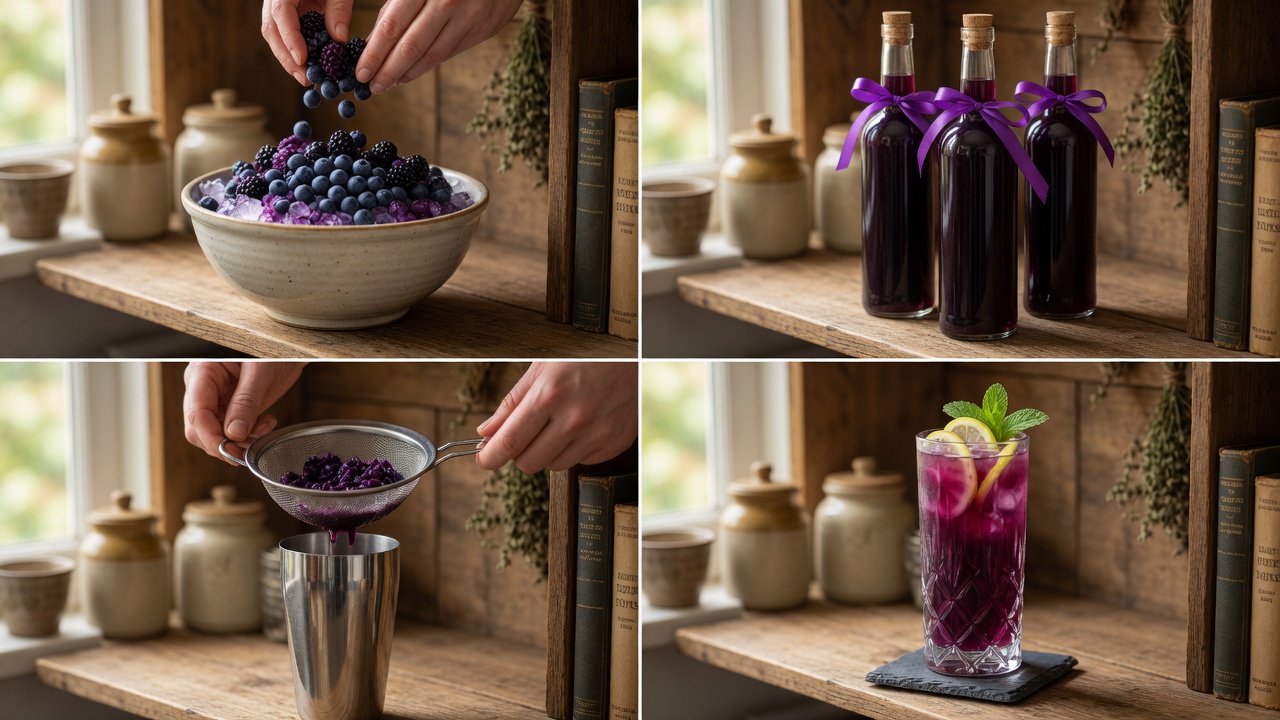
Healthy Grape Juice Recipe
A simple homemade grape juice made by simmering fresh grapes with water, then straining the cooked fruit to create a naturally sweet and refreshing drink. Honey and lemon juice are optional and can be added according to the flavor of the grapes.
6-8
servings15
minutes20
minutes150
kcal35
minutesIngredients
4 pounds (about 1.8 kg) fresh grapes, red, green, black, or Concord
1 cup filtered water
2 tablespoons honey, optional
1 tablespoon fresh lemon juice, optional
Ice cubes, for serving
- Optional Garnishes
Fresh mint leaves
Lemon slices
Fresh grapes
Sparkling water for a fizzy version
Directions
- Prepare and wash the grapes: Remove the grapes from their stems and discard any damaged or moldy fruit. Wash the grapes thoroughly under cold water and drain well. Crush the clean grapes gently with a potato masher until most of the skins have broken.
- Simmer the grapes: Transfer the crushed grapes to a large pot and add 1 cup of filtered water. Bring the mixture to a gentle boil over medium heat, then reduce the heat, cover, and simmer for about 20 minutes. Stir occasionally while the grapes soften.
- Mash and strain: Mash the softened grapes again to release more juice. Place a fine mesh strainer over a large bowl or pitcher. For clearer juice, line it with cheesecloth or a coffee filter. Slowly pour the hot mixture through the strainer and allow the liquid to drain.
- Adjust the flavor: Taste the strained juice. If the grapes are tart, add the optional honey and stir until dissolved. If the juice is very sweet, add the optional lemon juice to provide a brighter balance.
- Cool and chill: Allow the juice to cool to room temperature, then transfer it to the refrigerator. Chill for at least 3 hours before serving. For a very cold drink, chill overnight.
- Serve and store: Pour the chilled grape juice over ice and add optional mint, lemon slices, or fresh grapes. Store unused juice in an airtight container in the refrigerator for up to 4 days.
Nutrition Facts
- Calories: 150kcal
- Fat: 0.3g
- Saturated Fat: 0g
- Carbohydrates: 38g
- Fiber: 0.5g
- Sugar: 35g
- Protein: 1g


